

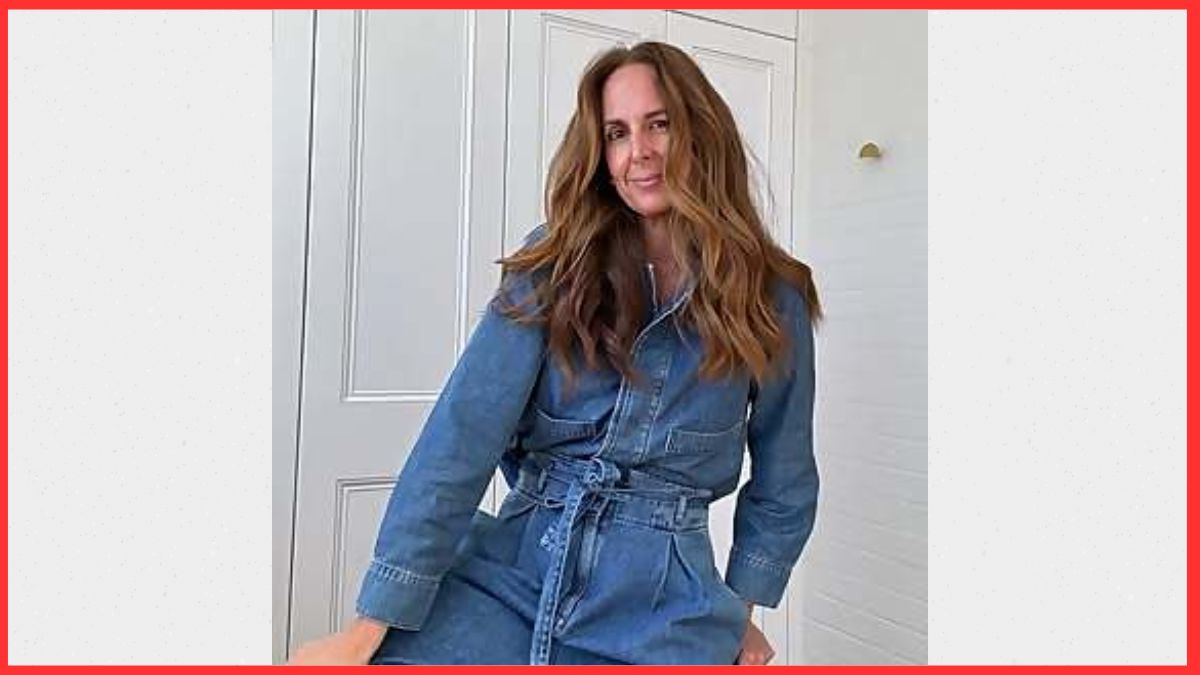
Tash Sefton is an Australian-born fashion entrepreneur and digital creator best known as the co-founder of the retail and content platform They All Hate Us. While not U.S.-based, her business model aligns closely with global luxury influencer economics that resonate strongly with American audiences and brands. Sefton operates at the intersection of editorial curation, e-commerce, and brand partnerships—three pillars that define modern luxury influencer monetization.
Core Revenue Stream: Affiliate-Driven Commerce
Performance-Based Monetization at Scale
A significant portion of Tash Sefton’s income is generated through affiliate marketing tied to They All Hate Us. The platform curates fashion and lifestyle products—often from premium and luxury brands—and embeds trackable links that generate commission on sales. Industry-standard affiliate rates in fashion typically range from 5% to 20%, depending on the retailer and volume.
For U.S. audiences, this mirrors the affiliate-heavy models seen on platforms like ShopStyle Collective and LTK (formerly RewardStyle). By driving high-intent traffic, Sefton monetizes not just influence, but conversion—a critical distinction in today’s creator economy.
Owned Retail Channel: Direct-to-Consumer Margins
E-Commerce and Product Sales
Sefton co-founded They All Hate Us as both a content hub and a retail destination. This hybrid model allows for higher-margin revenue through direct product sales, particularly when inventory is owned or exclusive collaborations are launched. In the U.S. market, similar hybrid models have proven highly scalable, blending editorial trust with transactional capability.
Owning the customer journey—from discovery to checkout—enables data capture, repeat purchasing, and higher lifetime customer value (LTV). These metrics are essential for sustainable revenue growth and are widely used benchmarks in U.S.-based digital retail businesses.
Brand Partnerships and Sponsored Content
High-Value Collaborations with Premium Labels
Tash Sefton also earns through strategic partnerships with established fashion and lifestyle brands. Sponsored posts, campaign collaborations, and content integrations typically command fixed fees, which in the luxury segment can range from several thousand to tens of thousands of dollars per campaign, depending on reach and engagement.
Unlike generic influencer deals, Sefton’s collaborations are often integrated into curated content ecosystems, increasing both authenticity and conversion rates. This aligns with U.S. brand expectations, where measurable ROI—clicks, conversions, and sales—is prioritized over vanity metrics.
Content as a Monetizable Asset
Editorial Authority Drives Revenue
They All Hate Us functions as a digital magazine with strong editorial voice. This positions Sefton not just as an influencer, but as a publisher. Traffic generated through organic search, social media, and direct visits can be monetized via affiliate links and partnerships, creating a compounding revenue effect.
In the U.S., this model is comparable to content-commerce hybrids such as Who What Wear, where editorial credibility directly fuels e-commerce performance.
Strategic Positioning: Why Her Model Works in the U.S. Market
Data, Curation, and Conversion
Tash Sefton’s business model succeeds because it is built on three measurable drivers: curated taste, scalable traffic, and conversion-focused monetization. For U.S. readers and brands, this represents a mature influencer economy model—one that goes beyond aesthetics and delivers consistent revenue through diversified streams.
By combining affiliate income, direct sales, and premium partnerships, Sefton has created a resilient and scalable luxury fashion business that aligns closely with U.S. digital commerce trends.