
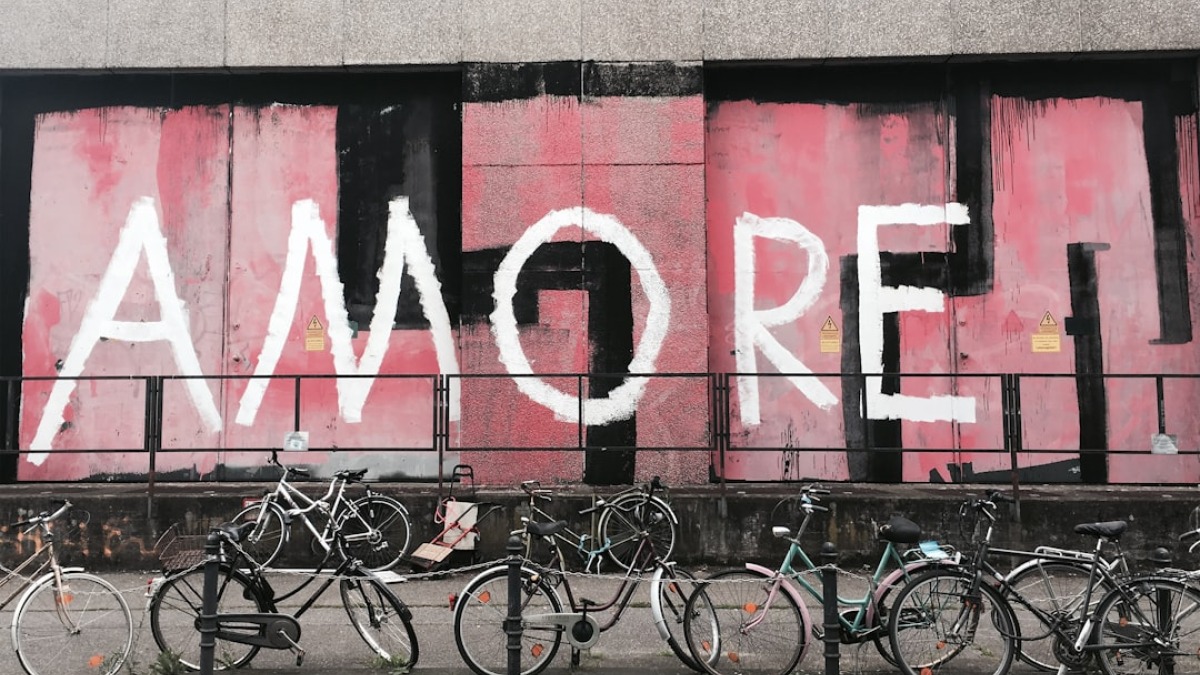
Street art has transformed from a niche form of creative expression into a celebrated cultural movement influencing fashion, design, music and community identity across the United States. Once viewed primarily as a subcultural practice, it has now become a meaningful contributor to the nation’s evolving artistic landscape, shaping the way people experience public spaces and engage with visual storytelling.
Street art as a form of urban identity
Many American cities now recognise street art as a reflection of their character, history and creativity. Murals, installations and large-scale public artworks help define neighbourhoods, offering residents a sense of pride and belonging. Cities such as Miami, Los Angeles, New York and Philadelphia have embraced vibrant mural districts, turning once-understated areas into cultural hubs attracting visitors, photographers and local businesses.
These urban art spaces often highlight community voices, celebrating local heritage, cultural diversity and shared experiences. This has encouraged more initiatives where artists collaborate directly with residents, ensuring that public art reflects the values and stories of the neighbourhood.
The rise of street art in fashion and design
The influence of street art is increasingly visible in fashion, interior design and branding. Designers frequently draw inspiration from bold colour palettes, expressive linework and graffiti-inspired motifs. Clothing lines featuring artistic prints or collaborative pieces with street artists have become popular among younger audiences seeking individuality and authenticity.
Interior designers also incorporate mural-style artwork into residential and commercial spaces, bringing a lively, modern aesthetic indoors. Businesses often commission artists to create feature walls or statement pieces that align with their brand identity, turning art into a key element of customer experience.
Street art’s role in digital culture and social media
Social media has significantly amplified the reach of street art. Platforms like Instagram and Pinterest have helped turn murals into shareable moments, encouraging travellers and locals to explore creative districts and document their experiences. This digital exposure has allowed artists to gain recognition beyond their local communities, building online followings and securing collaborative opportunities.
Street art festivals and public installations often trend online, further contributing to the visibility of urban creativity. These digital interactions not only celebrate artistry but also encourage people to seek out cultural experiences in their own cities.
Encouraging creativity and community connection
One of the most meaningful contributions of street art to modern culture is its ability to inspire creativity and connection. Public art offers accessible inspiration, inviting passers-by to pause, reflect and appreciate creative expression in everyday life. Many schools, youth programmes and community organisations now engage with street art as a way to encourage artistic confidence and cultural appreciation among younger generations.
Collaborative mural projects also strengthen community bonds, allowing residents, artists and local leaders to work together in shaping their environment. These initiatives often promote positivity, cultural understanding and shared ownership of public spaces.
A growing cultural movement
As street art continues to evolve, its influence on modern culture remains strong. From shaping urban identity and inspiring design trends to bridging digital and real-world communities, it plays an important role in how people connect with creativity today. With increasing support from cities, organisations and local residents, street art stands as a vibrant and uplifting element of American cultural life.
