
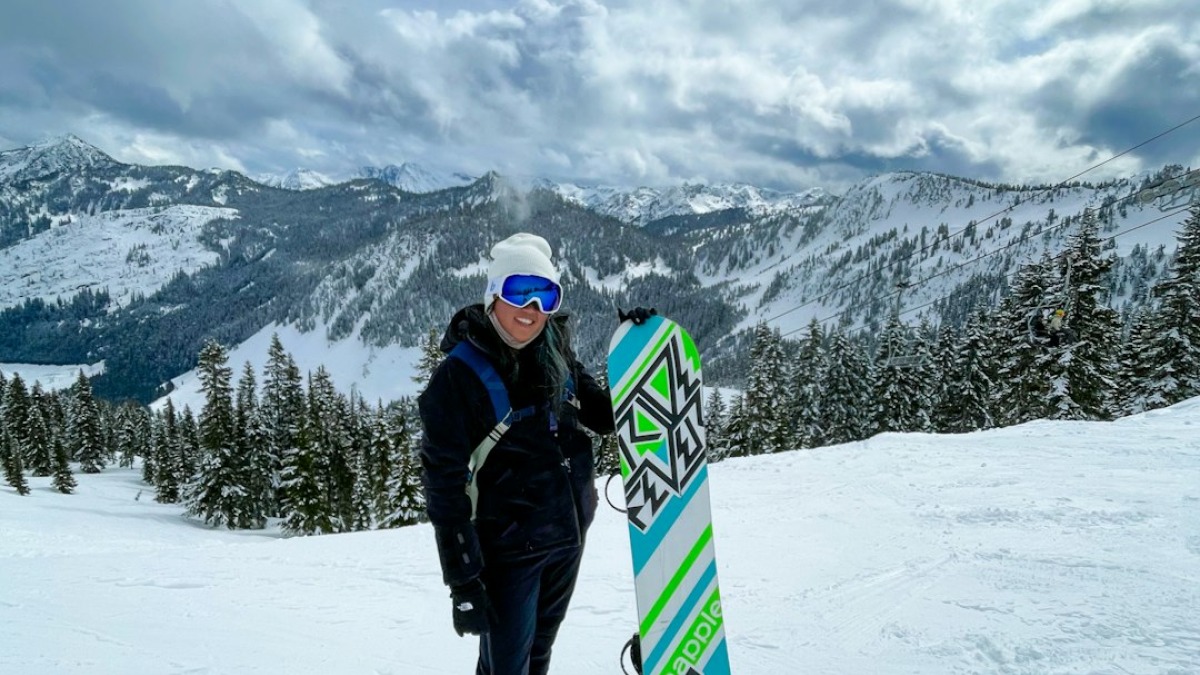
Ways athletes can train for December snowboarding events
With the start of winter, snowboarders across the U.S. are gearing up for December competitions, recreational events, and seasonal mountain trips. Proper training before hitting the slopes is essential for performance, safety, and overall enjoyment. From strength building to skill refinement, athletes focus on multiple aspects to ensure they are ready for the fast-paced challenges of early winter snowboarding.
Building strength and endurance for snowboarding
Physical conditioning is central to preparing for December snowboarding events. Snowboarding demands strong legs, a stable core, and good overall endurance. Athletes often include exercises like squats, lunges, and step-ups to strengthen quadriceps, hamstrings, and glutes, which help maintain control during turns and jumps.
Core workouts, including planks, Russian twists, and medicine ball routines, enhance balance and stability, crucial for navigating slopes and freestyle tricks. Cardiovascular conditioning, such as running, cycling, or interval training, supports endurance for full-day sessions on the mountain without fatigue.
Enhancing balance and flexibility
Balance training is vital for snowboarders. Using balance boards, stability balls, and single-leg exercises allows athletes to mimic the shifts and twists of snowboarding, improving control and reaction time. Flexibility exercises, including yoga or dynamic stretching routines, help prevent injury and allow for smoother movement during jumps and landings.
Practicing snowboarding-specific skills
While off-season training is important, skill refinement on the slopes or in snowboarding parks prepares athletes for real conditions. Practising edge control, carving techniques, and freestyle tricks allows snowboarders to maintain confidence during December events. Many athletes also use indoor snow facilities or dry slopes to keep technique sharp if early-season snow is limited.
Nutrition and recovery for peak performance
Maintaining proper nutrition supports both training and on-slope performance. Balanced meals rich in lean protein, complex carbohydrates, and healthy fats fuel muscles and aid recovery. Hydration remains essential, especially at higher altitudes where cold air can be deceptively dehydrating.
Recovery routines, including stretching, foam rolling, and rest days, prevent fatigue and reduce the risk of injury. Consistent sleep patterns are equally important to keep reflexes and focus sharp for snowboarding events.
Mental preparation for competitive snowboarding
Mental focus plays a key role in December competitions. Visualisation, goal-setting, and pre-run routines help athletes stay confident and calm under pressure. Reviewing the course, practising breathing techniques, and maintaining a positive mindset ensures snowboarders enjoy their events while performing at their best.
Staying organised and equipment-ready
Finally, preparation extends to equipment. Ensuring snowboard bindings, boots, and boards are properly adjusted and maintained prevents distractions and enhances performance. Carrying necessary gear like helmets, gloves, and safety pads ensures athletes are fully ready for early winter conditions.
