
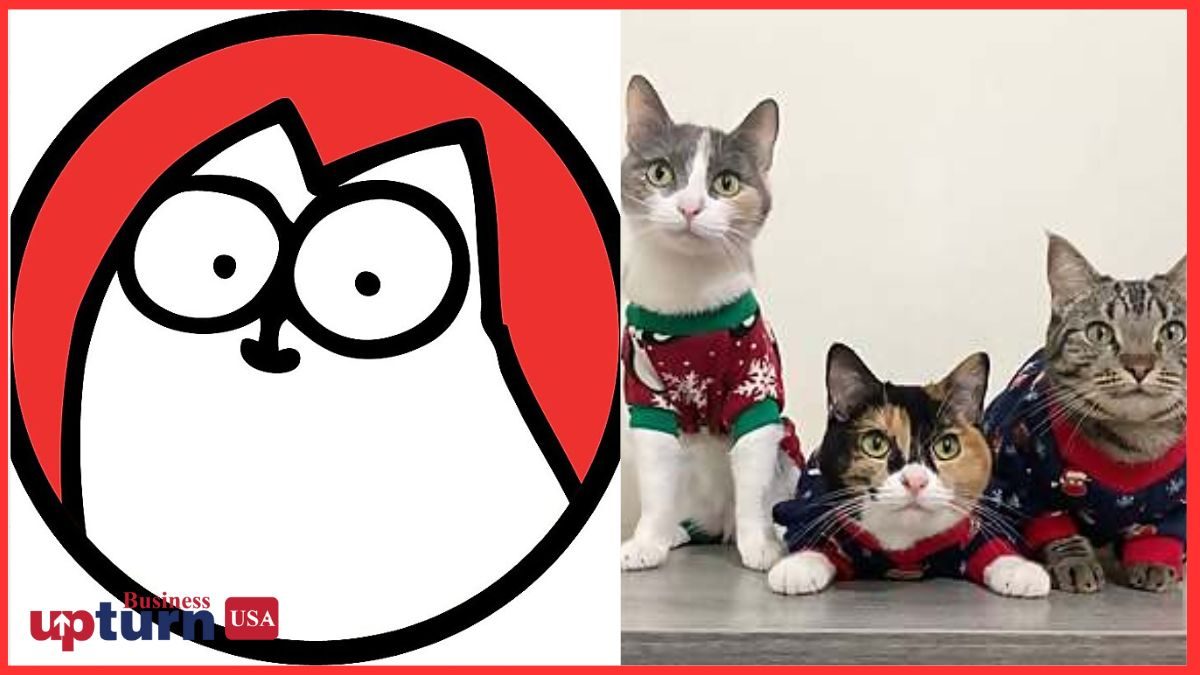
Pet influencer culture in the U.S. has grown exponentially over the past decade, blending humor, cuteness, and strategic monetization. Simon’s Cat and Parker, Lily & Jasmine stand out as prime examples of how pet personalities can transcend social media to generate significant income. Both leverage unique storytelling, brand partnerships, and innovative content formats to establish distinct revenue streams, attracting millions of engaged followers.
Understanding their pet influencer business model provides insight into the evolving landscape of digital pet entrepreneurship. While Simon’s Cat relies on character-driven storytelling, Parker, Lily & Jasmine capitalize on the appeal of multiple real-life pets interacting in relatable scenarios. The strategies they employ reveal the mechanics behind U.S.-centric pet influencer revenue streams and offer valuable lessons for aspiring creators.
Simon’s Cat: From Humble Beginnings to Global Recognition
Simon’s Cat began as a simple animated webcomic, showcasing the mischievous antics of a clever cat. Its creators capitalized on relatable content that resonated across age groups, allowing the franchise to organically grow into a global brand. From YouTube shorts to animated series, Simon’s Cat mastered the art of turning humor and relatability into a revenue-generating platform.
The transition from hobby to business involved diversifying income streams. Licensing deals, merchandise, and collaborations with pet product companies transformed Simon’s Cat from a simple animated character into a full-fledged pet influencer brand. This strategy exemplifies how U.S. audiences respond to clever storytelling, translating engagement into tangible profit.
Parker, Lily & Jasmine: Multi-Pet Magic in the Digital Space
Parker, Lily & Jasmine are three real pets whose dynamic interactions capture the hearts of followers. Unlike single-character influencers, their content highlights multi-pet synergy, providing varied narratives and endless opportunities for content creation. The charm of watching their distinct personalities interact fuels follower growth and engagement across platforms like Instagram, TikTok, and YouTube.
Their pet influencer business model revolves around maximizing social media visibility and monetization potential. By consistently posting high-quality images and videos, engaging in trends, and leveraging each pet’s unique appeal, they have created a scalable platform for monetization. This multi-pet approach has proven particularly effective in the U.S., where diverse audiences enjoy layered content and the relatability of multiple pets.
Income Generation Strategies of Simon’s Cat
Simon’s Cat exemplifies how a character-driven brand can diversify income streams. The following sections explore the main avenues that generate Simon’s Cat income and sustain its global presence.
Merchandise Sales and Product Lines
Merchandise represents a core component of Simon’s Cat income. The brand has successfully launched product lines including plush toys, clothing, stationery, and home decor. Each item leverages the character’s recognizable design, ensuring instant appeal to existing fans.
U.S. consumers respond well to pet influencer merchandise because it offers a tangible connection to beloved digital characters. Limited-edition releases and seasonal collections create urgency, driving sales while maintaining brand loyalty. This strategic approach maximizes revenue per follower and diversifies the brand’s income beyond digital platforms.
Licensing Deals and Collaborations
Simon’s Cat has pursued licensing deals with major companies to extend its brand presence into wider markets. From pet food endorsements to apparel collaborations, these agreements generate substantial income without requiring additional content creation from the core team.
Collaborations with U.S.-based brands often include co-branded campaigns that capitalize on the influencer’s existing audience. Such partnerships not only boost revenue but also enhance brand recognition, reinforcing Simon’s Cat as a premier pet influencer both online and offline.
Digital Content Monetization and Ad Revenue
Monetizing digital content is central to Simon’s Cat’s strategy. YouTube ads, sponsored posts, and platform-based revenue sharing enable the brand to earn consistently from content that is already engaging fans. Well-timed video releases aligned with viral trends further enhance ad revenue potential.
Content monetization also extends to premium platforms and subscriptions, such as offering exclusive content for paid members. This layered approach ensures a steady income stream, allowing the brand to reinvest in higher-quality animations and marketing initiatives that drive further growth.
Income Generation Strategies of Parker, Lily & Jasmine
Parker, Lily & Jasmine utilize a multi-pet approach to build a versatile and highly monetizable brand. Their strategies focus on maximizing engagement and leveraging social media monetization.
Social Media Monetization Techniques
Their primary income comes from social media monetization. Instagram reels, TikTok videos, and YouTube shorts generate ad revenue, with engagement rates directly influencing earning potential. High-quality content tailored for each platform increases visibility and maximizes the impact of algorithmic promotion.
Multi-pet content allows for varied storytelling, keeping audiences consistently engaged. The more interactions each post receives, the higher the monetization potential, making Parker, Lily & Jasmine’s strategy a model example of how pet influencers make money in the U.S.
Sponsored Content and Brand Partnerships
Sponsored content is a key revenue driver for Parker, Lily & Jasmine. Pet supply brands, lifestyle companies, and even tech products have tapped into their multi-pet appeal to reach highly engaged audiences. Each sponsored post is carefully integrated into content that feels authentic, maintaining trust while generating income.

Partnerships extend to collaborative campaigns, sometimes including affiliate marketing or limited-edition product lines featuring the pets. By leveraging their influence across multiple platforms, they amplify brand messaging and increase the financial returns from each partnership.
Unique Merchandising Approaches
Unlike single-character franchises, Parker, Lily & Jasmine explore multi-pet merchandising. Customizable products featuring all three pets, such as calendars, matching pet accessories, and themed apparel, offer unique value to fans. This approach differentiates them from competitors and taps into the U.S. audience’s love for collectibility and variety.
Seasonal and event-based merchandise further boosts revenue. By aligning product drops with holidays or trending events, they create urgency and excitement, enhancing sales and solidifying their multi-pet brand identity.
Comparative Analysis of Their Business Models
Understanding the differences and similarities between Simon’s Cat and Parker, Lily & Jasmine highlights unique insights into pet influencer revenue strategies.
Audience Engagement as a Revenue Driver
Simon’s Cat leverages character-driven narratives to foster strong emotional connections, translating engagement into consistent merchandise sales and licensing deals. U.S. audiences respond to humor and familiarity, which drives sustained content consumption and revenue.
Parker, Lily & Jasmine rely on the dynamic interaction of multiple pets to capture attention. Their strategy demonstrates how high engagement across diverse content types—videos, reels, and stories—can significantly boost ad revenue and brand partnerships, showing a modern approach to multi-pet influencer monetization.
Diversification and Expansion Opportunities
Simon’s Cat diversifies through digital content, merchandise, licensing, and collaborations, creating a balanced portfolio of income streams. Expansion opportunities include mobile games, animated series, and themed experiences, which can generate both direct and indirect revenue in the U.S. market.
For Parker, Lily & Jasmine, diversification extends into multi-platform content, unique merchandising, and brand collaborations. Their multi-pet model offers scalability; additional pets or themed content collections can further increase monetization potential, demonstrating the flexibility of multi-pet influencer business models.
Unique Angle: The Future of Multi-Pet Influencer Business Models in the U.S. Market
The success of Parker, Lily & Jasmine indicates a broader trend: multi-pet influencer business models offer significant revenue potential in the U.S. market. By showcasing complex interactions, creators can sustain high engagement, which directly translates into diversified income streams, from social media monetization to merchandise.
Emerging opportunities include AR filters, pet-themed NFTs, and interactive fan experiences. Multi-pet platforms can adapt quickly to trends, maximizing revenue while maintaining authentic engagement. This perspective highlights how U.S. audiences increasingly value dynamic, relatable, and collectible content, paving the way for future innovation in pet influencer business models.
This article is intended solely for informational and editorial purposes. It does not constitute endorsement or promotion of any artificial intelligence technology. Business Upturn makes no representations or warranties regarding the accuracy, completeness, or reliability of the information provided.