
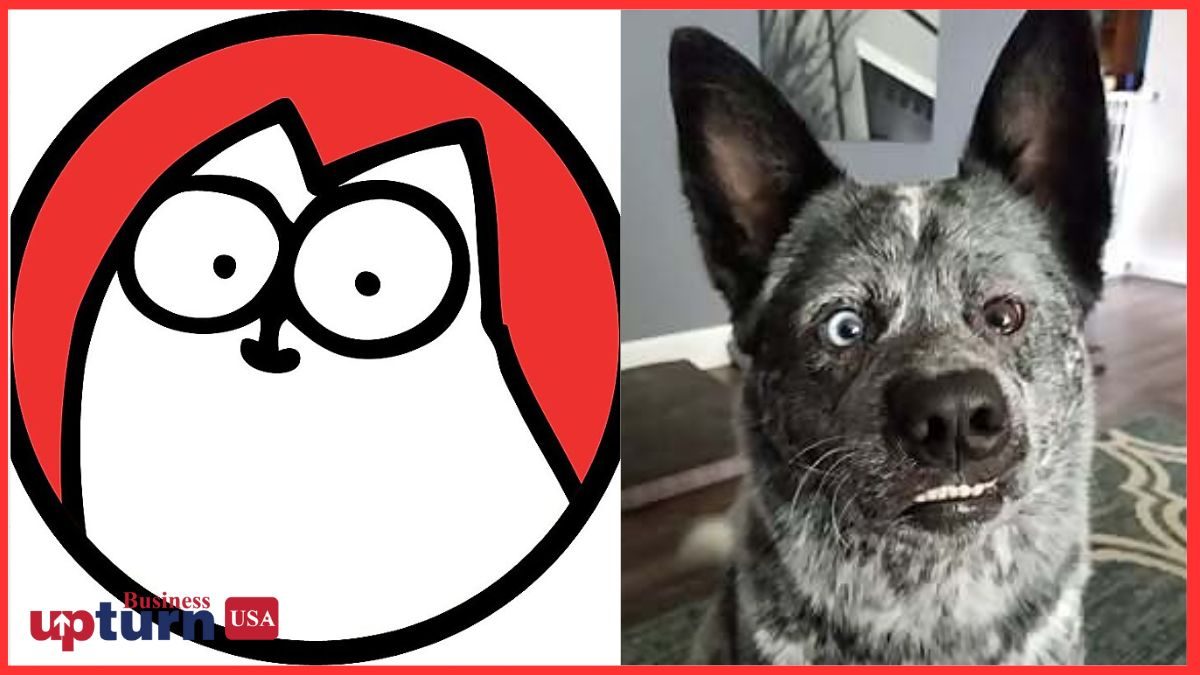
In the modern digital age, pet influencers are no longer just adorable companions online—they are full-fledged business entities. Among the vast sea of animal personalities captivating audiences, Simon’s Cat and Moose Boy stand out as exceptional examples of pet influencers who have mastered the art of monetization. Their business models provide a fascinating look at how creativity, charm, and strategic thinking translate into revenue in the USA pet influencer market.
This article dives deep into the income generation strategies, monetization methods, and overall business models of Simon’s Cat and Moose Boy, offering a detailed comparison for anyone curious about pet content creators’ income in America.
Simon’s Cat Business Model: How This Animated Feline Generates Income
Simon’s Cat, a clever animated series created by British animator Simon Tofield, has garnered international acclaim. The appeal of Simon’s Cat transcends borders, making it highly relevant to the USA pet influencer market. But how exactly does an animated cat translate quirky antics into real-world dollars?
Unlike live-action pet influencers, Simon’s Cat monetizes through a combination of merchandise, licensing deals, digital content, and brand collaborations. Each revenue stream is carefully curated to maintain the brand’s integrity while appealing to American audiences who value both nostalgia and humor in pet-related content.
Merchandising and Product Lines
Merchandise is the cornerstone of Simon’s Cat revenue streams. From plush toys and apparel to stationery and calendars, the brand has developed a wide array of products that appeal to fans of all ages. In the USA, these items are distributed through online stores, pop-up events, and partnerships with major retail chains. Merchandise sales not only generate direct revenue but also reinforce brand loyalty, which is crucial for sustaining long-term income.
Social Media Influence and Brand Partnerships
Social media platforms like Instagram, Facebook, and TikTok serve as amplifiers for Simon’s Cat monetization. With millions of followers, the account attracts brands looking to tap into a pet-loving audience. Sponsored posts, collaborations with pet food brands, and cross-promotional campaigns allow Simon’s Cat to earn substantial income without deviating from its playful, family-friendly image.
Licensing and Intellectual Property Opportunities
Simon’s Cat excels in leveraging intellectual property. Licensing agreements with companies to produce products or digital content under the Simon’s Cat brand create a passive revenue stream that scales efficiently. For the U.S. market, this includes everything from animated GIFs in messaging apps to exclusive content partnerships with streaming platforms, ensuring the brand remains omnipresent while generating income.
YouTube Monetization and Ad Revenue
The YouTube channel is another critical component of the Simon’s Cat business model. Each video attracts millions of views, creating revenue through ad placements, YouTube Premium subscriptions, and occasional paid content. By consistently producing high-quality, engaging content, Simon’s Cat maintains a loyal subscriber base that directly contributes to its revenue streams.
Sponsorships, Collaborations, and Special Campaigns
Special campaigns, including seasonal promotions or collaborative projects with other pet or lifestyle influencers, provide additional monetization opportunities. These campaigns often feature limited-edition merchandise or exclusive content releases, generating excitement and boosting both sales and brand visibility in the U.S. market.
Moose Boy Business Model: Turning Charm and Personality into Profit
Moose Boy, a live-action dog influencer, has captured hearts with his playful personality and relatable antics. Unlike Simon’s Cat, Moose Boy relies on his real-life charisma to monetize, appealing directly to American pet lovers who appreciate authenticity and connection.
Moose Boy’s business model blends social media influence, merchandising, sponsorships, and fan interactions, reflecting the multifaceted approach necessary to succeed as a pet content creator in the USA.
Merchandising and Product Lines
Merchandise is a significant revenue driver for Moose Boy. Custom apparel, toys, and accessories featuring Moose Boy’s likeness are sold online and through select retail partnerships. The tactile, real-world connection of these products appeals strongly to U.S. audiences who enjoy supporting beloved pet personalities while acquiring functional, stylish items.
Social Media Influence and Brand Partnerships
Moose Boy’s social media presence is central to his monetization strategy. Platforms like Instagram, TikTok, and YouTube are leveraged for brand partnerships, sponsored posts, and collaborative campaigns with pet-related products. By engaging directly with followers through stories, reels, and live sessions, Moose Boy creates authentic connections that increase the effectiveness of brand partnerships.
Licensing and Intellectual Property Opportunities
Although less IP-driven than Simon’s Cat, Moose Boy capitalizes on licensing opportunities for merchandise, special appearances, and digital content. Licensing deals allow Moose Boy to extend his brand into new markets and product categories, often working with U.S. companies eager to tap into his established fan base.
YouTube Monetization and Ad Revenue
Moose Boy’s YouTube channel is monetized through ads, sponsored videos, and membership-based content. The channel also acts as a platform for showcasing new merchandise and collaborative projects, creating a synergy between content creation and direct revenue generation. Each video reinforces fan engagement, which is critical for sustaining long-term income.
Sponsorships, Collaborations, and Special Campaigns
Sponsorships and collaborations are vital for Moose Boy monetization. Campaigns with pet brands, lifestyle products, and seasonal promotions amplify revenue while keeping content fresh. U.S. audiences respond positively to these campaigns due to their creative integration into Moose Boy’s daily adventures, ensuring authenticity while maximizing profit.
Fan Engagement and Crowdfunding Models
Moose Boy also explores fan-funded initiatives like crowdfunding for special projects, exclusive content, or charitable campaigns. This model strengthens the community around the brand, offering fans a sense of participation while generating income. Crowdfunding initiatives resonate with U.S. audiences who enjoy supporting causes associated with beloved pets.

Comparing Revenue Streams: Simon’s Cat vs Moose Boy
While both Simon’s Cat and Moose Boy generate significant revenue, their approaches differ due to the nature of their brands. Simon’s Cat relies heavily on intellectual property and merchandise sales, whereas Moose Boy leverages live-action charisma and personal fan engagement.
Merchandising forms a substantial portion of income for both, but Simon’s Cat benefits from scalable, IP-driven products like animated content and licensing deals. Moose Boy, in contrast, earns more from interactive campaigns, sponsorships, and social media influence due to his real-world presence.
YouTube monetization is common to both, but the strategies differ. Simon’s Cat focuses on content volume and animation quality, while Moose Boy emphasizes personality-driven storytelling and interactive fan experiences.
Brand partnerships also reveal contrasts. Simon’s Cat typically collaborates with companies aligned with family-friendly, pet-related products. Moose Boy’s partnerships are more diverse, extending into lifestyle, apparel, and seasonal campaigns that resonate with U.S. audiences seeking authentic engagement.
Unique Strategies That Set Simon’s Cat and Moose Boy Apart
Simon’s Cat and Moose Boy employ unique strategies that differentiate their business models. For Simon’s Cat, the strength lies in leveraging intellectual property and creating a globally recognized animated brand. Licensing, merchandise diversification, and YouTube monetization combine to form a stable, scalable revenue engine.
Moose Boy’s distinct advantage is authenticity. The live-action approach allows for interactive fan engagement, social media virality, and flexible brand partnerships. Crowdfunding initiatives and personalized content strategies enhance community loyalty, making Moose Boy a relatable and profitable pet influencer in the U.S.
Both brands also innovate within their niches. Simon’s Cat experiments with app-based games and digital collectibles, while Moose Boy explores exclusive fan experiences, such as personalized merchandise or behind-the-scenes content. These strategies showcase adaptability and forward-thinking in the evolving USA pet influencer market.
Conclusion: The Future of Pet Influencer Business Models
Simon’s Cat and Moose Boy exemplify how creativity and strategic monetization can turn adorable antics into thriving businesses. Their contrasting approaches—IP-driven animation versus personality-driven live-action—highlight the diversity of successful pet influencer business models.
Looking ahead, the U.S. pet influencer market is likely to see hybrid models emerge. Combining the scalability of IP-based content with the authenticity of real-life pet personalities could redefine monetization strategies. Subscription-based content, virtual experiences, and AI-driven pet engagement are potential avenues for growth, offering new revenue streams while keeping fans entertained and engaged.
In essence, Simon’s Cat and Moose Boy not only entertain millions but also serve as blueprints for how pet influencers can thrive financially in the U.S. market. For aspiring pet content creators, their business models provide actionable insights into creating sustainable, multifaceted revenue streams while delighting audiences with charm, humor, and personality.
This article is intended solely for informational and editorial purposes. It does not constitute endorsement or promotion of any artificial intelligence technology. Business Upturn makes no representations or warranties regarding the accuracy, completeness, or reliability of the information provided.