

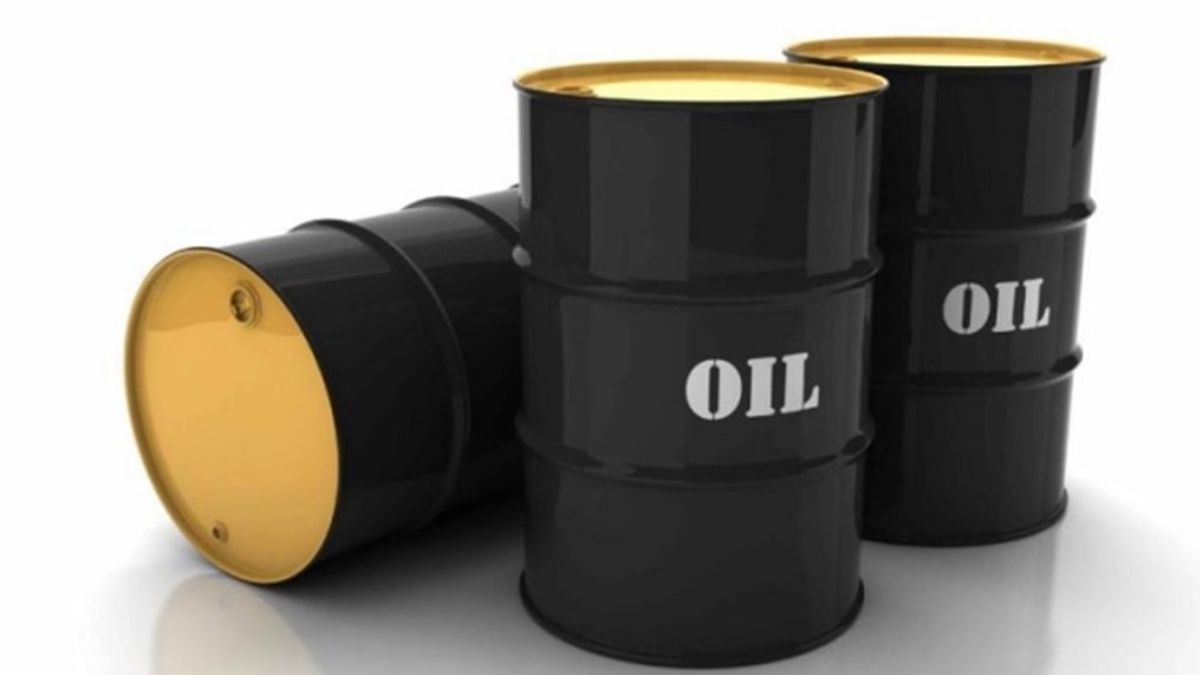
Oil dependency plays a major role in shaping global political decisions because energy is essential for every modern economy. Countries that rely heavily on oil imports or exports often adjust their foreign policy, trade agreements, and even security strategies based on energy needs.
For oil-importing countries, securing stable and affordable oil supply becomes a top priority. This influences diplomatic relations with oil-producing nations. Governments may avoid conflicts, build stronger alliances, or sign long-term trade agreements to ensure uninterrupted energy access. Even political decisions about sanctions, trade disputes, or international conflicts are often weighed against the risk of disrupting oil supplies and increasing domestic fuel prices.
For oil-exporting countries, oil dependency gives them significant economic and political influence. Because many countries rely on their exports, these nations can use oil production levels as a tool in negotiations. Decisions about increasing or reducing supply can impact global prices, which gives them leverage in international discussions. This is one reason energy-rich countries often have strong diplomatic presence on the global stage.
Oil dependency also affects how countries respond to global crises. During wars, sanctions, or supply disruptions, governments may change policies quickly to protect energy security. They might release strategic oil reserves, provide fuel subsidies, or seek alternative suppliers. These decisions are often driven by the need to prevent economic instability caused by sudden price spikes.
It also influences long-term policy decisions. Many countries invest in renewable energy, diversify energy sources, or build strategic partnerships specifically to reduce dependence on oil. This shift is not only environmental but also political, as reducing dependency helps improve national security and economic independence.
In simple terms, oil dependency shapes global political decisions because it connects energy with power. Countries adjust their diplomacy, trade, and policies to secure oil supply, control costs, and protect their economies from instability caused by changes in global oil markets.