

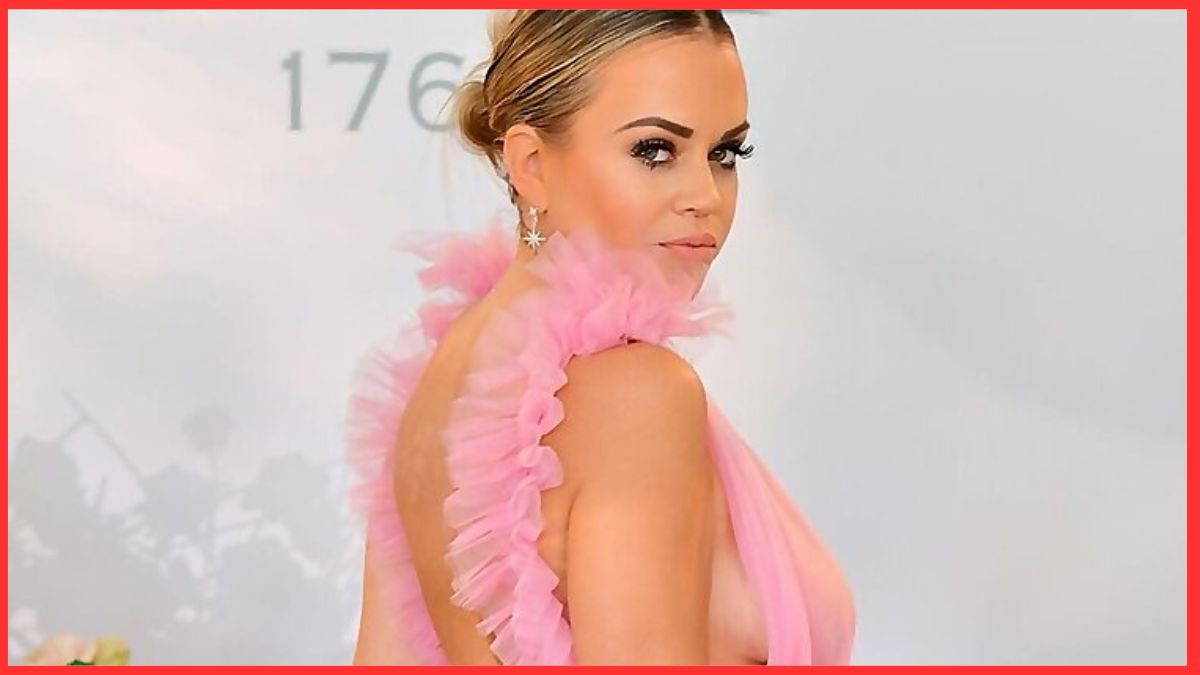
Naomi Jane Adams has emerged as a niche luxury content creator whose business model reflects the broader shift in the U.S. influencer economy toward multi-channel monetization and brand-led storytelling. Rather than relying on a single income stream, Adams operates within a diversified revenue framework that blends brand partnerships, digital content monetization, and long-term brand equity building.
Her positioning is centered on high-end lifestyle aesthetics, which allows her to collaborate with premium fashion, beauty, and travel brands targeting affluent and aspirational audiences. This positioning is critical because luxury brands typically allocate higher marketing budgets per campaign compared to mass-market advertisers, directly influencing earning potential.
Primary Revenue Streams Driving Income
Sponsored Brand Collaborations
The core of Naomi Jane Adams’ income is derived from paid brand partnerships. These collaborations typically include Instagram posts, short-form video content, and curated storytelling campaigns. In the U.S. market, luxury influencers with a strong engagement rate can command between $2,000 and $15,000 per sponsored post, depending on audience size, demographics, and campaign scope.
Adams’ ability to maintain a consistent visual identity increases her value to brands seeking cohesive campaign execution. Long-term partnerships—rather than one-off posts—are particularly lucrative, often structured as multi-month retainers.
Affiliate Marketing and Commission-Based Earnings
Another measurable revenue stream is affiliate marketing. By integrating trackable shopping links into her content, Adams earns commissions on purchases driven through her recommendations. In the luxury segment, commission rates typically range from 5% to 20%, depending on the retailer and product category.
This model is especially effective when paired with high-ticket items such as designer accessories or premium skincare, where a single conversion can generate meaningful revenue.
Platform Monetization and Content Licensing
Adams also benefits from platform-based monetization opportunities, including ad revenue sharing and paid features on social platforms. While these earnings are generally smaller than brand deals, they provide consistent baseline income.
Additionally, high-quality visual content can be licensed to brands for reuse in advertising campaigns, creating an additional revenue layer. Content licensing fees in the U.S. market can range from hundreds to several thousand dollars per asset, depending on usage rights.
Strategic Business Model: Beyond Social Media
Brand Building and Equity Creation
A key aspect of Adams’ business model is long-term brand equity. By maintaining a consistent luxury identity, she positions herself for future opportunities such as product collaborations or capsule collections. These ventures typically offer higher margins than traditional influencer campaigns because they involve revenue sharing rather than fixed fees.
Audience Targeting and Market Value
Her audience composition—likely skewing toward fashion-conscious consumers with disposable income—plays a direct role in monetization efficiency. U.S.-based audiences are particularly valuable due to higher purchasing power, which increases conversion rates for both sponsored and affiliate content.
The Bottom Line: A Scalable Influencer Business
Naomi Jane Adams’ income model reflects a scalable, U.S.-centric influencer business built on three pillars: premium brand partnerships, performance-based affiliate income, and long-term brand equity development. By diversifying revenue streams and maintaining a high-value audience, she aligns with the economic realities of the luxury digital marketplace, where consistency, trust, and aesthetic precision translate directly into revenue.