
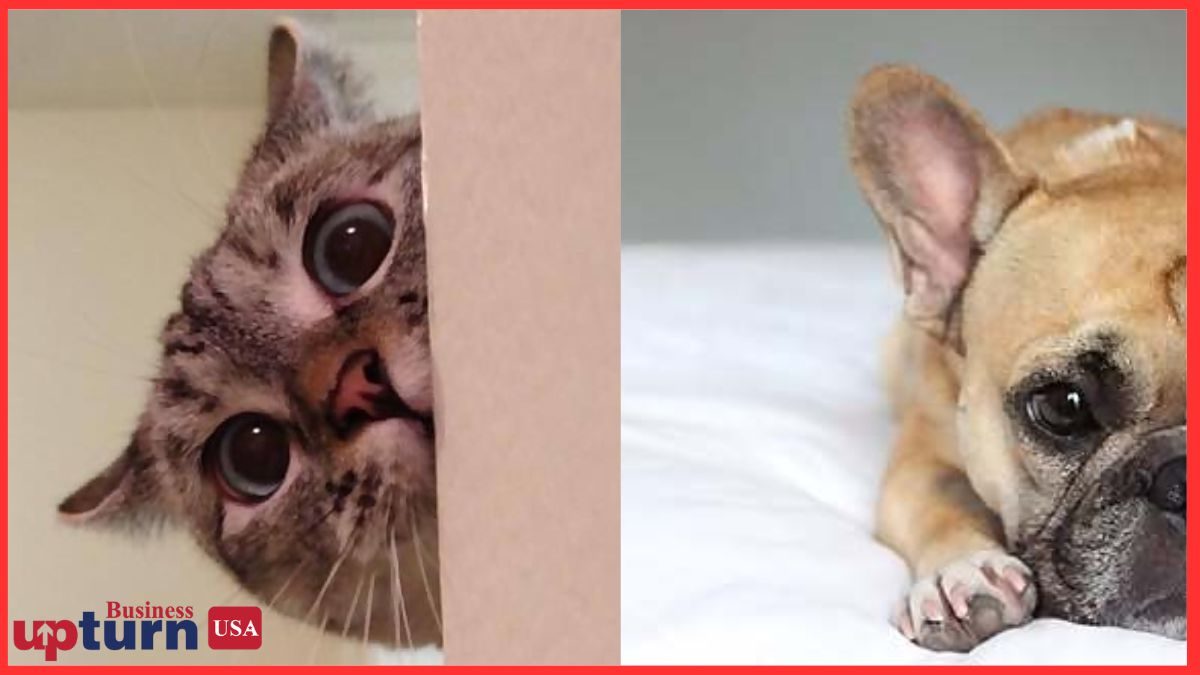
In today’s digital-first economy, pet influencers are no longer just adorable faces on Instagram — they’re powerful brands with complex revenue models. Among the most prominent names in this expanding niche are Nala Cat, often dubbed the queen of feline influence, and Squirrel & Gus Gus In The City, a dynamic duo of urban squirrel charmers that has captured hearts across social platforms. While both have achieved global recognition, their approaches to income generation, monetization, and audience engagement differ dramatically, reflecting broader trends in the U.S. pet influencer economy.
Nala Cat’s Business Model: From Shelter Cat to Global Brand
Nala Cat’s story is central to her brand power. Adopted from a shelter in Los Angeles, Nala evolved into one of the most followed cats on Instagram, boasting millions of fans worldwide. But behind her photogenic blue eyes lies a sophisticated business model tailored to U.S. consumer behavior.
Nala’s income streams revolve around brand partnerships, merchandise, licensing, and digital ads. Major U.S. pet brands, including food, toy, and lifestyle companies, regularly collaborate with her account for high-visibility campaigns. These partnerships are carefully curated to align with Nala’s wholesome and family-friendly image. Each post functions as micro-content marketing for brands eager to tap into her massive reach.
Equally important is Nala Cat’s merchandise line, which spans apparel, accessories, and cat-related products. The e-commerce strategy leverages Shopify and other U.S.-centric platforms, making it seamless for fans to purchase items while supporting their favorite pet influencer. Licensing also plays a role, with Nala’s likeness appearing in limited-edition products that capitalize on the U.S. trend of emotional connection between consumers and their pets.
Sponsored Content and Brand Deals in Nala Cat’s Model
One of the most lucrative aspects of Nala Cat’s business strategy is sponsored content. Major American companies invest heavily in influencer marketing, and Nala Cat sits at the intersection of adorable entertainment and high ROI advertising. Campaigns are structured not just around product placement but around storytelling that humanizes brands — for instance, posts where Nala “recommends” a new type of cat treat or models a cozy pet bed.
These deals generate revenue both on a per-post basis and through long-term ambassadorships. U.S. audiences, known for their strong loyalty to pet-centric brands, often purchase products showcased in these partnerships, creating measurable value for sponsors.
Merchandise and Licensing Expansion
Nala Cat’s merchandising operation is robust, with an emphasis on U.S.-friendly distribution models such as online drops, Amazon storefronts, and branded collaborations with retail outlets. Merchandise isn’t limited to fans of cats; it appeals to a broader demographic of pet lovers, making it a lifestyle brand. Licensing agreements have extended Nala’s brand into toys, calendars, and even children’s books — revenue streams that reinforce her image as a cultural icon rather than just a social media presence.
Squirrel & Gus Gus In The City: The Rise of Urban Wildlife Influencers
In contrast, Squirrel & Gus Gus In The City represents a newer wave of pet influencer marketing: urban wildlife entertainment. Unlike domesticated stars like Nala, Squirrel and Gus Gus tap into the fascination Americans have with city-dwelling wildlife. Their content often features humorous, relatable, and cinematic portrayals of squirrels navigating city life, appealing to both teen audiences seeking memes and adults drawn to lighthearted escapism.
Their business model relies less on traditional pet product partnerships and more on viral content monetization, creative brand collaborations, and cross-platform engagement. Platforms like TikTok and YouTube generate ad revenue through millions of views, and Squirrel & Gus Gus have leveraged the virality of their clips to negotiate branded storytelling opportunities.

Platform-Centric Monetization Strategies
Unlike Nala Cat, who built her empire on Instagram first, Squirrel & Gus Gus thrive on short-form video platforms. TikTok Creator Fund payouts, YouTube ad revenue, and algorithm-driven discovery provide a steady income stream. Because squirrels aren’t associated with traditional pet care products, their partnerships lean toward quirky, lifestyle, and tech brands — think snack companies, mobile apps, and eco-friendly initiatives.
This creates a monetization model deeply tied to entertainment-first marketing, where the animals are central characters in mini-narratives that brands sponsor. For U.S. marketers, the appeal lies in connecting with Gen Z and millennial consumers who prefer storytelling over static advertising.
Viral Merchandising and Community Support
Squirrel & Gus Gus have tapped into the meme economy, transforming viral clips into merchandise opportunities. T-shirts, mugs, and stickers featuring their funniest expressions or city adventures sell through fan-driven demand. Unlike Nala Cat’s structured e-commerce empire, Squirrel & Gus Gus use more pop-up style merchandise drops, capitalizing on fleeting viral moments.
Crowdfunding and Patreon-like models also feature in their income strategy, with fans supporting exclusive content, behind-the-scenes videos, and personalized shoutouts. This creates a sense of intimacy that resonates with U.S. audiences who enjoy feeling part of a smaller, niche community.
Comparing Revenue Streams: Structured Empire vs. Viral Ecosystem
The most striking difference between the two business models is their approach to stability versus virality. Nala Cat’s income is diversified across stable, long-term revenue streams — brand partnerships, licensed products, and evergreen merchandise. This creates a predictable cash flow akin to a well-managed small business.
Squirrel & Gus Gus, on the other hand, operate within a viral ecosystem where income is more fluid and dependent on trending content. Their revenue model resembles that of entertainment creators rather than product-driven influencers. For U.S. audiences, this means the duo often feels fresher, riskier, and more experimental compared to the polished stability of Nala Cat.
How Their Business Models Reflect U.S. Consumer Trends
These differences highlight fascinating aspects of U.S. consumer culture. Nala Cat embodies trust, family-friendliness, and brand loyalty, aligning perfectly with the way American households treat pets as integral family members. Her business model thrives on stability because it reflects what U.S. consumers seek in the products they buy for their pets: reliability and care.
Squirrel & Gus Gus, however, reflect the digital-native humor economy. Their fans enjoy spontaneity, memes, and unpredictability — a mirror of how American youth culture consumes content. Their income streams show how quickly U.S. audiences reward relatability and humor with direct financial support.
The Role of Emotional Marketing in Both Models
Both Nala Cat and Squirrel & Gus Gus excel at emotional marketing, though they approach it differently. Nala Cat leans into heartwarming stories of adoption and pet-parent bonding, tapping into U.S. households’ emotional attachment to pets. Her brand essentially says: pets are love, and love can be shared through products and stories.
Squirrel & Gus Gus focus on laughter and joy, leveraging humor as their emotional currency. In the U.S., where lighthearted relief is highly valued in stressful times, this resonates deeply with their fanbase. Their brand says: life is chaotic, but joy can be found in the everyday antics of city squirrels.
Unique Revenue Drivers That Set Them Apart
- Nala Cat: The key differentiator lies in her licensed products and retail partnerships, something that most pet influencers never achieve. By entering bookstores, toy aisles, and big-box retailers, Nala transcends the limits of digital advertising.
- Squirrel & Gus Gus: Their uniqueness is in platform agility and viral adaptability. They’re able to monetize the meme economy faster than structured brands, riding trends that appeal to American audiences across TikTok and YouTube.
Conclusion: Two Business Models, One Lesson About the Future of U.S. Pet Influencer Economy
At first glance, Nala Cat and Squirrel & Gus Gus In The City may appear worlds apart: one is a polished global brand, the other a quirky viral duo. Yet, their contrasting business models reveal a deeper truth about the U.S. pet influencer economy: stability and spontaneity are equally valuable commodities.
Nala Cat proves that with structured brand deals, merchandise, and licensing, a pet influencer can become a household name with financial stability comparable to traditional celebrities. Squirrel & Gus Gus show that agility, humor, and viral content can also generate sustainable income, particularly when paired with creative merchandising and direct fan support.
The most unexpected insight? Together, they suggest that the U.S. pet influencer economy isn’t just about pets — it’s a mirror of American consumer desires. Nala reflects the need for trust and consistency, while Squirrel & Gus Gus embody the craving for humor and spontaneity. Both models remind us that in a digital world, the pets who make us smile are also shaping the way brands, platforms, and consumers interact — and that’s a business lesson worth celebrating.
This article is intended solely for informational and editorial purposes. It does not constitute endorsement or promotion of any artificial intelligence technology. Business Upturn makes no representations or warranties regarding the accuracy, completeness, or reliability of the information provided.