
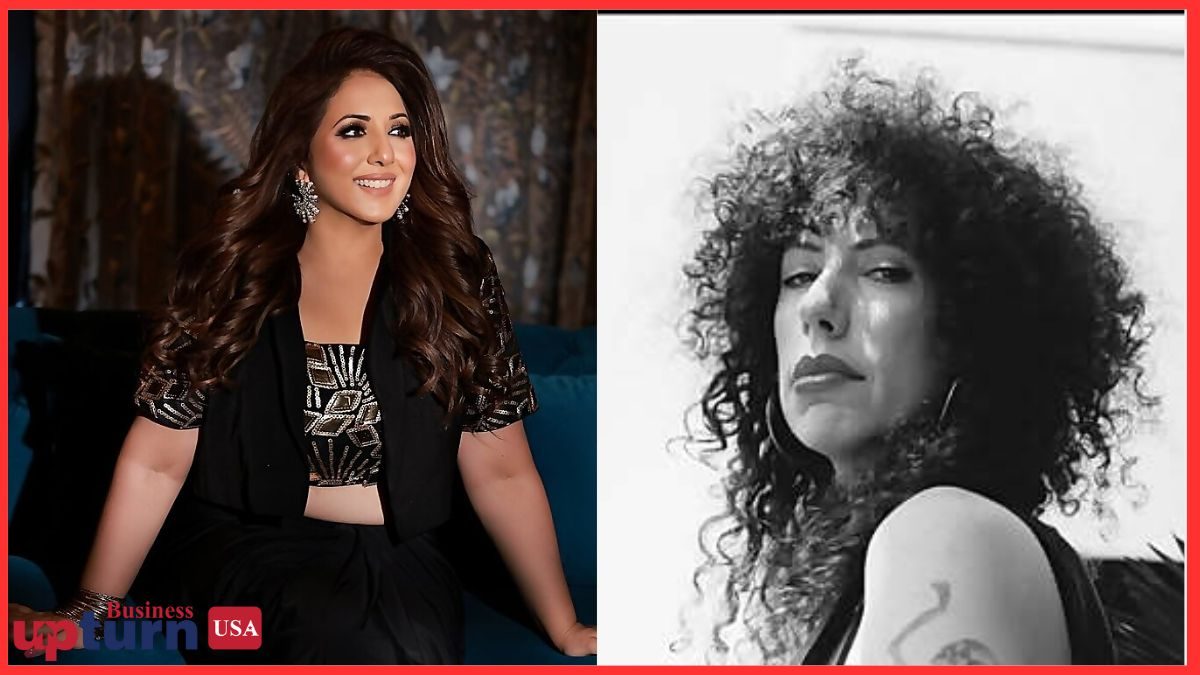
In today’s creator economy, spirituality has evolved from a quiet personal journey into a thriving digital enterprise. Among the new generation of influencers turning ancient wisdom into modern opportunity, two names stand out: Munisha Khatwani, a celebrated Indian tarot reader and spiritual mentor, and Jerico Mandybur, a U.S.-based Australian creative entrepreneur known for blending tarot, mental health, and cultural empowerment. Both have built thriving global brands rooted in tarot, yet their business models could not be more different.
From Mumbai’s entertainment circuits to Los Angeles’ conscious wellness spaces, Khatwani and Mandybur represent two sides of the same coin — the intersection of intuition, creativity, and commerce. Their approaches illuminate how tarot has transformed into a dynamic sector of the digital economy, where authenticity and innovation drive both engagement and income.
Munisha Khatwani’s business model: where entertainment meets spiritual mentorship
Munisha Khatwani’s business empire sits at the crossroads of celebrity culture, astrology consulting, and personalized spiritual coaching. Trained as a television actor and anchor before becoming one of India’s most recognized tarot readers, Khatwani has leveraged her entertainment background to build a relatable yet aspirational brand.
Her tarot business model thrives on a delicate balance between accessibility and exclusivity. Through paid consultations, personalized astrology sessions, and media collaborations, she has positioned herself as both a celebrity guide and a mentor to everyday individuals seeking direction.
How Munisha Khatwani monetizes spiritual influence
Khatwani’s primary income streams include one-on-one tarot sessions, online astrology readings, and premium mentorship programs. These offerings combine personal insight with strategic branding, making her spiritual services feel more like lifestyle coaching than fortune-telling.
In addition, her media-savvy persona has opened doors to brand partnerships, television appearances, and collaborations with entertainment networks, expanding her visibility far beyond traditional tarot audiences. Her business model merges the emotional trust of a spiritual advisor with the market appeal of a recognizable media personality.
Branding through credibility and cultural connection
One of Khatwani’s greatest strengths lies in her cultural positioning. By grounding her practice in Indian spiritual traditions while maintaining a contemporary communication style, she connects deeply with both millennial and Gen Z audiences. Her brand thrives on trust — every reading, course, and appearance reinforces her credibility as a modern-day guru who understands both the stars and social media.
Through Instagram, YouTube, and live workshops, Khatwani curates an ecosystem of guidance that is consistent, positive, and emotionally reassuring. Her followers don’t just see her as a tarot reader; they see her as a personal coach helping them navigate life’s uncertainties with clarity and confidence.
Jerico Mandybur’s business model: creative entrepreneurship meets conscious spirituality
Across the globe, Jerico Mandybur has built a completely different kind of tarot empire — one that blends spirituality with creativity, identity, and empowerment. As a writer, podcaster, artist, and spiritual entrepreneur, Mandybur represents the Western evolution of tarot as a tool for self-expression rather than prediction.
Her tarot business model extends far beyond readings. It includes book publishing, podcasting, creative workshops, brand collaborations, and a strong presence in online communities that value mental health and authenticity. Where Khatwani’s work is rooted in trust and tradition, Mandybur’s is built on experimentation and inclusivity.
The diverse income streams of Jerico Mandybur
Mandybur’s business model operates like a creative studio — one that uses tarot as a lens to explore culture, wellness, and empowerment. Her bestselling books, including Neo Tarot, have become cornerstones of her brand, generating both direct sales and global recognition. She also co-founded and hosts popular podcasts focused on identity, healing, and creativity, which serve as both income sources and brand amplifiers.
In addition, Mandybur monetizes her expertise through online courses, collaborative partnerships, and digital events that merge self-discovery with artistry. Her collaborations with wellness brands and fashion labels further diversify her income portfolio while positioning her as a multidisciplinary voice in the global spiritual economy.
Building community-driven digital spirituality
Unlike the mentorship model of Khatwani, Mandybur’s approach is rooted in community and collective empowerment. Through her creative projects and digital platforms, she invites audiences to see tarot as a language for self-reflection and emotional growth. Her audience is not seeking predictions but connection and meaning.
Mandybur’s brand strategy is deeply inclusive — embracing gender diversity, cultural plurality, and mental health awareness. By blending tarot with psychology and creativity, she has redefined what it means to be a modern spiritual entrepreneur in the digital age.
Comparing two tarot empires: tradition vs. transformation
At first glance, Munisha Khatwani and Jerico Mandybur may appear to operate within the same niche. Both use tarot as a foundation for influence and income. Yet, their business ecosystems reflect two distinct cultural paradigms.
Khatwani’s business thrives on personal trust, lineage, and mentorship — the hallmarks of South Asian spirituality. Her followers view her as a guide who bridges the ancient and the modern, providing emotional reassurance in a fast-paced world. Her monetization model relies heavily on personal engagement — the more directly she connects with her clients, the stronger her brand becomes.
Mandybur, on the other hand, scales through content and community. Her products — from books to podcasts — are designed for global reach, creating scalable, passive income that doesn’t rely solely on personal sessions. This Western model of digital entrepreneurship emphasizes accessibility, diversity, and the integration of art and healing.
Audience psychology and cultural context
Cultural context plays a defining role in shaping both their business models. In India, where astrology and tarot hold deep traditional roots, audiences seek validation and comfort through personalized spiritual guidance. Khatwani’s brand delivers exactly that — a sense of familiarity wrapped in modern presentation.
Conversely, Mandybur’s primarily Western audience approaches tarot as a creative framework for self-care. Rather than seeking predictions, they seek tools for reflection, empowerment, and identity exploration. Her brand capitalizes on this shift, positioning tarot as a wellness practice that aligns with global conversations about mindfulness and emotional intelligence.
Digital innovation and brand scalability in the tarot economy
Technology has been central to both influencers’ success. Khatwani utilizes digital media to maintain constant client engagement — from Instagram Live readings to exclusive workshops that create a sense of accessibility and connection. Her tech strategy focuses on maintaining human connection at scale.

Mandybur’s digital innovation, meanwhile, lies in her multi-platform storytelling. Her podcasting, publishing, and creative consulting ventures exemplify how a spiritual influencer can evolve into a cultural entrepreneur. By weaving tarot into discussions about art, gender, and emotion, she has built a brand that feels expansive, not esoteric.
Both have effectively used digital platforms to transform tarot from a niche practice into a global creative business. Yet, where Khatwani prioritizes intimacy, Mandybur prioritizes innovation. Khatwani’s model is sustainable through mentorship and media trust; Mandybur’s is scalable through creative diversification.
The economics of spiritual influence
Both Khatwani and Mandybur illustrate how authentic influence drives revenue in the spirituality sector. Their income ecosystems rely on a balance between personal authority and brand adaptability. In both cases, followers buy not just services or products — they buy a relationship, a philosophy, and a lifestyle.
Khatwani’s client-based model creates recurring income through private sessions and long-term mentorships. It’s an emotionally rich, high-engagement model suited to regions where spiritual trust remains deeply personal.
Mandybur’s content-based model thrives on reach and diversity — books, digital content, and collaborations build passive income streams that sustain her creative independence. Her global appeal comes from her ability to turn spirituality into creative media, not just personal service.
What these tarot business models reveal about the future of digital spirituality
Together, Munisha Khatwani and Jerico Mandybur represent the dual evolution of modern spirituality. One model looks inward, grounded in cultural continuity and trust. The other looks outward, merging creativity with consciousness to reach global audiences.
Their contrasting business models suggest that the future of digital spirituality will not belong to a single template — but to hybrid entrepreneurs who can balance authenticity with innovation. Whether through mentorship or media, tarot entrepreneurship is evolving into a diverse ecosystem where spiritual integrity and brand strategy coexist.
In many ways, Khatwani and Mandybur embody two faces of the same spiritual revolution: one rooted in tradition and trust, the other in creativity and consciousness. Their success stories prove that in the modern digital economy, tarot is not just about cards and readings — it’s about connection, culture, and the courage to turn intuition into enterprise.
This article has been curated for informational and educational purposes related to tarot readers and the business aspects of spiritual entrepreneurship. Business Upturn makes no representations or warranties regarding the accuracy, completeness, or reliability of the information provided.