
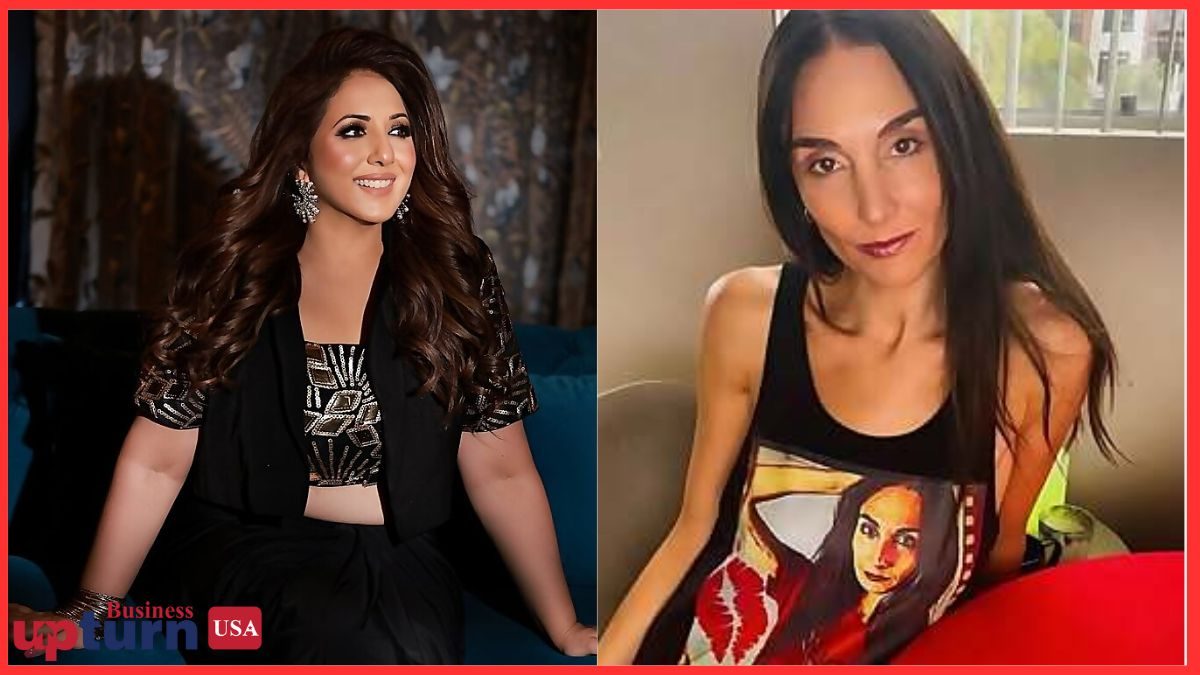
In a world where mindfulness meets monetization, tarot has evolved from a mystical art into a multi-million-dollar global business. Among the leading figures shaping this transformation are Munisha Khatwani, an Indian celebrity tarot reader, and Talsi Neustadt, a U.S.-based intuitive entrepreneur and coach. Both women have built thriving spiritual empires—but through remarkably different business models. While Munisha’s brand thrives on a blend of Bollywood visibility and traditional credibility, Talsi’s empire rides on digital sophistication, brand psychology, and scalable online systems. Together, they represent two distinct yet complementary paradigms of the global tarot influencer business model.
The rise of the tarot influencer business model
The 2020s have seen an explosion in the tarot influencer economy, driven by a digital audience hungry for guidance, reassurance, and spiritual empowerment. Platforms like Instagram, YouTube, and TikTok have become modern oracles, where intuitive coaches turn card readings into content, followers into clients, and wisdom into wealth. Both Munisha Khatwani and Talsi Neustadt have mastered this art—but their methods, tone, and monetization strategies couldn’t be more different.
Munisha, a household name in India’s entertainment circuit, turned her psychic reputation into a full-fledged brand. Meanwhile, Talsi Neustadt, who emerged from the global spiritual coaching scene, has built a digital-first model—one that merges data-driven marketing with emotional authenticity. Both are redefining what it means to earn as a spiritual entrepreneur in the digital age.
Munisha Khatwani’s tarot business model: blending celebrity, credibility, and commerce
Munisha Khatwani’s business empire stands at the intersection of entertainment and enlightenment. Her journey began on Indian television, where she transitioned from actress to spiritual guide. This media foundation gave her something most tarot readers lack: instant visibility and mass trust. Over time, she leveraged her fame to create a multilayered revenue system.
At its core, Munisha’s tarot reader business model revolves around personal sessions. Private readings—both in-person and virtual—remain her premium offering. Clients book consultations for predictions, guidance, and emotional support, often paying a premium for personalized insight. But this is just the beginning.

Munisha’s true genius lies in diversifying her spiritual income. Her YouTube channel and Instagram presence function as top-of-funnel awareness tools. Short, relatable videos on astrology, manifestation, and card guidance keep her audience engaged while driving traffic to her booking platforms. Beyond individual readings, she has built group workshops, online tarot courses, and brand partnerships with wellness platforms. In essence, she monetizes her expertise at every level of digital intimacy—from free social media content to high-ticket spiritual mentorships.
Where many readers rely solely on ad-hoc bookings, Munisha has crafted a sustainable system. Her celebrity-based monetization strategy merges traditional word-of-mouth with modern digital optimization. She often collaborates with lifestyle and wellness brands, creating content that integrates tarot with mental health, relationships, and holistic living. The result is a business model rooted in authenticity but scaled through marketing precision.
Talsi Neustadt’s tarot business model: scaling intuition through systems and psychology
While Munisha’s model is personality-driven, Talsi Neustadt’s approach is process-driven. Based in the United States, Talsi combines tarot reading with spiritual coaching, online education, and mindset mentorship. Her digital-first brand leverages online platforms to reach a global audience of clients seeking transformation, not just predictions.
Talsi’s income streams reveal a modern spiritual influencer monetization strategy. Her foundation lies in scalable online offerings: pre-recorded tarot courses, subscription-based guidance communities, and high-end mentorship programs that combine intuitive training with life design. Instead of focusing on one-to-one readings, she has built one-to-many systems that deliver consistent income.
What sets Talsi apart is her integration of psychology and business strategy. Her content emphasizes empowerment and intuitive entrepreneurship rather than fortune-telling. Through Instagram Reels, podcast interviews, and online workshops, she speaks to a millennial and Gen Z audience—one that values emotional growth and financial freedom as twin goals. This creates a powerful dual appeal: clients see her not only as a reader but also as a mentor guiding them to monetize their own intuition.
Her brand partnerships also mirror her business savvy. Unlike celebrity endorsements, Talsi’s collaborations often involve co-branded wellness courses, affiliate programs, and spiritual merchandise—allowing her to earn passive income through digital ecosystems. The result is a tarot business model built for scalability and sustainability.
Comparing monetization channels: personal influence vs digital ecosystems
Munisha Khatwani and Talsi Neustadt represent two ends of the global tarot influencer spectrum. Munisha’s brand thrives on human connection and celebrity credibility; Talsi’s on automation and psychological depth. Both, however, utilize similar income categories—differentiated by execution.
Munisha’s income channels include:
- Private readings (high-ticket sessions)
- Group workshops and retreats
- Brand collaborations (with Indian lifestyle platforms)
- Digital content (YouTube, Instagram Reels)
- Online courses and mentorships
Talsi’s revenue streams emphasize scalability:
- Digital courses on tarot and intuitive coaching
- Subscription-based memberships for ongoing spiritual growth
- Affiliate partnerships with wellness brands
- Podcast sponsorships and online community events
- High-end coaching packages for aspiring tarot entrepreneurs
In essence, Munisha monetizes personal trust, while Talsi monetizes digital systems. Both models work because they translate emotional engagement into structured income—an essential trait in the modern spiritual economy.
The power of personal brand personas in tarot monetization
Personal branding plays a crucial role in how tarot readers earn. Munisha’s persona embodies trust, glamour, and accessibility—qualities that resonate with mainstream Indian audiences who see her as a bridge between celebrity culture and spiritual wisdom. Her brand voice is reassuring yet aspirational.
Talsi, in contrast, exudes empowerment, clarity, and intellectual depth. Her messaging focuses on spiritual entrepreneurship rather than mysticism, positioning her as a guide for a globally conscious audience seeking practical spirituality. While Munisha’s followers often seek guidance for personal dilemmas, Talsi’s clients seek frameworks for self-actualization.
This distinction explains their differing monetization priorities. Munisha maximizes her reach through personalized services and local recognition; Talsi scales globally by creating digital ecosystems that function even when she’s offline. Both paths, however, lead to sustained financial independence—proof that tarot can indeed be a viable career in the modern digital marketplace.
Global audience engagement: local intimacy vs global scalability
Munisha’s audience engagement thrives on cultural familiarity. Her content often incorporates astrological elements, Hindi-English storytelling, and spiritual motifs rooted in Indian traditions. This localization builds intimacy and trust—a key factor in sustaining long-term clients. Her workshops and online presence serve as community anchors, nurturing repeat engagement.
Talsi, meanwhile, approaches audience building as a data-driven art. Her social media strategies leverage analytics, email funnels, and digital marketing insights. By focusing on content formats that resonate globally—like podcast interviews and Instagram Lives—she maintains international visibility. Her emphasis on accessibility (courses, e-books, downloadable meditations) allows her brand to reach users across time zones and languages.
Together, they illustrate how spiritual influencer income depends on understanding both emotional connection and algorithmic optimization.
Sustainability and scalability: building the future of tarot entrepreneurship
In assessing sustainability, Munisha’s model relies on her personal reputation and physical presence. While this offers emotional authenticity, it also limits scale. Her future readiness depends on how effectively she transitions from one-to-one services to scalable digital programs—a shift she has already begun exploring through online mentorships.
Talsi’s system, by contrast, is inherently scalable. Her digital infrastructure—automated course platforms, subscription services, and content marketing—ensures steady revenue flow even without constant personal involvement. This makes her model particularly resilient in the age of AI spirituality, where automation can amplify reach without diluting authenticity.
The sustainability of both models lies in diversification. Munisha’s strong offline credibility complements Talsi’s online systems, and together, they highlight how the future of spiritual entrepreneurship will likely merge both dimensions: authentic human guidance enhanced by digital scalability.
The hidden link between emotional trust and digital income
Beyond algorithms and engagement, the true currency of tarot entrepreneurship is emotional trust. Every session, post, or course relies on the client’s belief in the reader’s integrity. Munisha’s face-to-face charm builds this trust organically; Talsi’s structured digital presence builds it through consistent value delivery. In both cases, emotional connection becomes financial capital.
This article has been curated for informational and educational purposes related to tarot readers and the business aspects of spiritual entrepreneurship. Business Upturn makes no representations or warranties regarding the accuracy, completeness, or reliability of the information provided.