
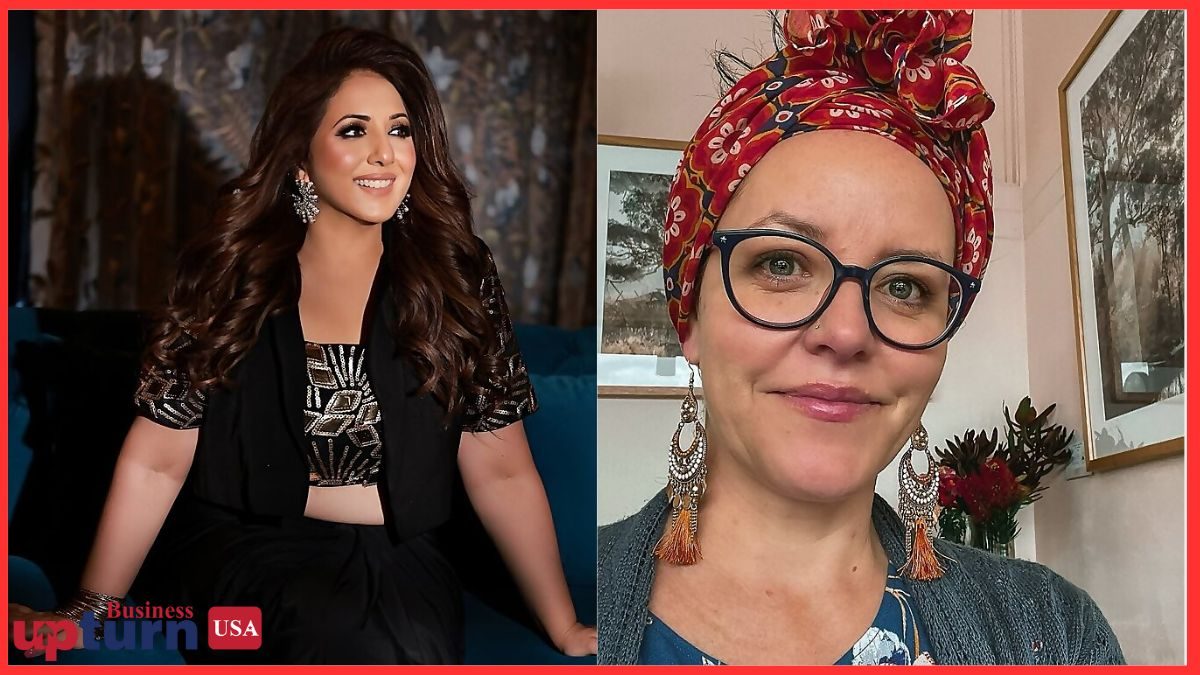
The rise of digital spirituality has transformed the once-niche world of tarot reading into a thriving global industry. From YouTube readings to branded workshops, tarot has evolved into both a spiritual service and a creative business ecosystem. At the forefront of this movement stand two influential figures — Munisha Khatwani from India and Avalon Cameron from Australia — who have each carved out a powerful place in the tarot economy through distinct, yet equally innovative, business models. Their stories reveal how intuition, authenticity, and digital entrepreneurship can combine to build modern spiritual empires.
The New Face of the Tarot Influencer Business Model
In 2025, the tarot influencer business model is no longer limited to private readings. It now includes content creation, brand collaborations, digital education, and community-building across multiple platforms. Both Munisha Khatwani and Avalon Cameron exemplify how tarot readers have transitioned from offering mystical insight to managing full-fledged digital enterprises. They’ve redefined what it means to be spiritual entrepreneurs, using strategy as skillfully as they use their decks.
Khatwani’s model thrives on reach and relatability, while Cameron’s emphasizes depth and niche engagement. Their success underscores a broader trend: spiritual influencer marketing is now a legitimate sector of the digital economy, where faith meets monetization.
Munisha Khatwani’s Income Sources: Turning Bollywood Charisma into a Spiritual Brand
Before entering the world of tarot, Munisha Khatwani was a television personality and celebrity in India. Her experience in the entertainment industry gave her an intuitive grasp of audience psychology — a skill she has masterfully integrated into her tarot influencer business model. Today, her income sources span a wide spectrum: personal readings, television appearances, workshops, online courses, YouTube content, and brand endorsements.
Her YouTube channel, with its visually engaging presentations and cheerful on-camera persona, plays a central role in driving traffic to her other services. Each video is a gateway — viewers who resonate with her predictions often book private readings or sign up for her online mentorship programs. Khatwani’s brand is built on trust and celebrity association, positioning her as one of India’s most accessible spiritual figures.
In addition, she leverages India’s massive interest in astrology and tarot to collaborate with lifestyle brands, wellness platforms, and television producers. These partnerships not only amplify her reach but also solidify her role as a mainstream media-friendly tarot professional.

How Avalon Cameron Built the Avalon Cameron Tarot Brand Through Depth and Community
Avalon Cameron’s journey into the spiritual influencer space is quite different from Khatwani’s. The Avalon Cameron tarot brand is rooted in depth, authenticity, and a scholarly approach to the esoteric arts. Her business model centers on community-based monetization rather than celebrity appeal. Her primary income streams include Patreon memberships, online tarot and witchcraft courses, hand-crafted products, and exclusive video content.
Cameron’s strength lies in her content depth. Her YouTube channel, rather than being flashy, feels intimate — a space where followers engage in thoughtful conversations about tarot philosophy, magical ethics, and personal empowerment. Her Patreon platform transforms this engagement into a reliable income stream, offering tiered benefits such as early access to content, live classes, and personal mentorship.
Unlike Khatwani, who thrives on mass accessibility, Cameron has cultivated a niche following of deeply invested viewers. This micro-community approach has given her both financial stability and creative freedom, proving that smaller audiences can still generate sustainable income in the digital spirituality business.
Comparing Their Core Business Models: Mass Reach vs. Niche Depth
The most striking difference between Khatwani and Cameron’s tarot influencer business models lies in their approach to scale. Khatwani’s empire is built around volume — she appeals to a wide audience across India and the diaspora through accessible, engaging content. Her strategy aligns with high-frequency digital marketing: visibility drives conversion.
Cameron, on the other hand, embraces a slower, more organic model. Her business is structured like a membership-based collective, where authenticity drives loyalty. While Khatwani focuses on building audience numbers, Cameron focuses on cultivating emotional connection and intellectual engagement. Both approaches are profitable — they simply represent two sides of the same modern tarot economy.
This contrast illustrates a valuable lesson for spiritual entrepreneurs: in 2025’s digital landscape, there’s room for both mass-market charm and micro-community depth.
How Tarot Readers Make Money in the Digital Age
The monetization spectrum for modern tarot influencers extends well beyond readings. In Khatwani’s case, brand partnerships and high-visibility media appearances contribute significantly to her revenue. She frequently collaborates with wellness brands, spiritual product companies, and online platforms that align with her aesthetic and values.
For Cameron, the majority of her earnings come from Patreon subscriptions and digital courses, which reflect a global shift toward community-funded creative work. Her audience supports her directly, allowing her to maintain authenticity while still earning a living. This model also provides stability — recurring payments from patrons ensure predictable monthly income.
Other income avenues for both include affiliate marketing, merchandise, digital downloads, and limited-edition product launches. Together, their businesses show how tarot readers can thrive by blending creative entrepreneurship with spiritual integrity.
The Power of Personal Branding in the Spiritual Influencer Economy
A defining feature of both Khatwani and Cameron’s success is their mastery of personal branding. Each has crafted a distinct identity that resonates with her target audience. Khatwani’s brand exudes optimism, glamour, and confidence — qualities that appeal to her Indian audience’s fascination with celebrity culture. Her communication style is direct, emotionally resonant, and media-savvy.
Cameron’s brand, in contrast, projects grounded wisdom and academic rigor. She often discusses historical tarot systems, archetypes, and the philosophy of divination. This intellectual tone positions her as a trusted mentor rather than a performer, appealing to global audiences seeking deeper spiritual growth.
In both cases, branding isn’t just a visual exercise — it’s emotional positioning. It’s about what followers feel when they engage with their content. That emotional resonance is what transforms viewers into clients, and clients into loyal advocates.
Digital Platforms and Global Markets: Expanding the Tarot Economy 2025
Both Khatwani and Cameron have tapped into global digital platforms to grow their reach. Khatwani’s strongest market remains India, where spirituality and entertainment often overlap. Platforms like YouTube, Instagram, and even television have helped her bridge traditional beliefs with modern consumption habits.
Cameron, meanwhile, operates primarily within English-speaking Western markets, appealing to an international audience interested in witchcraft, energy work, and archetypal psychology. Her platform strategy focuses on longevity — building libraries of evergreen content that continue to generate views and income over time.
This geographical contrast reflects a broader globalization of spiritual content. The tarot economy 2025 is borderless, algorithm-driven, and deeply human at its core.
The Mechanics Behind Their Business: From Engagement to Conversion
Behind every tarot influencer’s serene Instagram post lies a sophisticated business mechanism. Khatwani’s model relies on funnel marketing — her free YouTube readings introduce audiences to her expertise, leading them toward premium readings or workshops. Her consistent content schedule maintains engagement and drives repeat clients.
Cameron’s approach centers on community engagement. Her Patreon tiers act as micro-communities where followers feel seen and valued. This not only builds trust but also strengthens retention rates. Her email newsletters, exclusive member videos, and virtual workshops create a closed-loop ecosystem of engagement and monetization.
Both influencers leverage modern marketing tools — from SEO-optimized video titles to social analytics — to ensure that their content reaches the right people at the right time.
Authenticity as a Marketing Strategy in Spiritual Influencer Marketing
In the digital spirituality business, authenticity is currency. Followers can quickly sense insincerity, making transparency a vital part of success. Khatwani’s authenticity comes from her open communication and vibrant personality. Her confidence makes spiritual practices feel approachable, not intimidating.
Cameron’s authenticity, meanwhile, is grounded in vulnerability and intellect. She shares her personal reflections and challenges, creating emotional intimacy with her audience. This transparency translates into trust, which in turn drives conversions. In both models, authenticity isn’t an afterthought — it’s the brand’s backbone.
Lessons for Aspiring Spiritual Entrepreneurs
The journeys of Khatwani and Cameron offer clear lessons for new tarot creators. First, diversification is essential — relying solely on one income stream, such as readings, can limit scalability. Both influencers demonstrate how workshops, digital courses, and content creation can transform a personal practice into a global business.
Second, consistency and community matter more than viral success. Whether it’s Khatwani’s media-driven outreach or Cameron’s Patreon-based model, both show that building loyal audiences over time is key to sustainability.
Finally, both prove that monetization and spirituality can coexist. Ethical marketing and genuine connection do not dilute spiritual integrity; instead, they amplify it when done thoughtfully.
This article has been curated for informational and educational purposes related to tarot readers and the business aspects of spiritual entrepreneurship. Business Upturn makes no representations or warranties regarding the accuracy, completeness, or reliability of the information provided.