

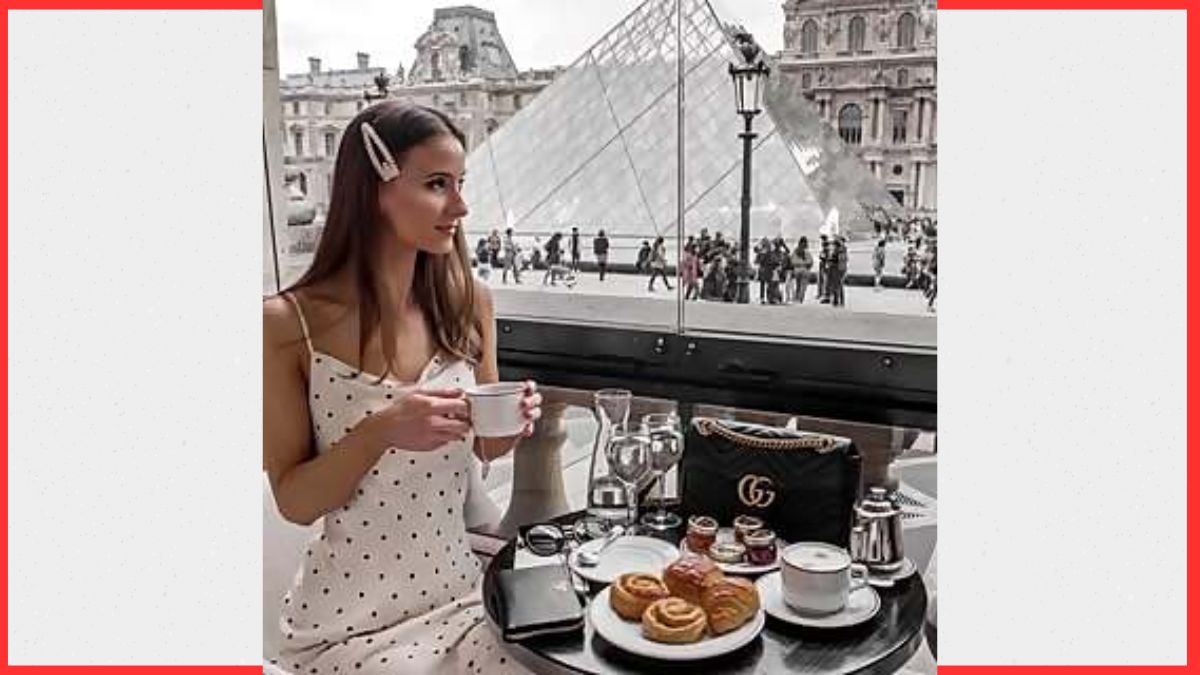
Luxury influencing has evolved into a structured digital business model in the United States, combining content creation, brand partnerships, and performance-based revenue systems. A creator often referred to in luxury lifestyle circles as “Natalie” represents a broader class of luxury influencers who monetize high-end fashion, travel, and lifestyle content through diversified income streams rather than a single revenue source.
Rather than relying on a fixed salary, luxury influencers like Natalie operate as independent media brands, leveraging social platforms such as Instagram, YouTube, and TikTok to attract audiences interested in aspirational lifestyle content.
Primary Revenue Streams of Luxury Influencer Natalie
1. Brand Partnerships & Sponsored Content
One of the most significant income sources for luxury influencers is sponsored collaborations with premium brands. In the U.S. market, influencer marketing spend continues to grow, with brands paying creators based on reach, engagement, and niche alignment.
Natalie-style influencers typically partner with:
- Luxury fashion labels
- High-end skincare and beauty brands
- Designer accessory companies
Payments are often structured per post, campaign, or engagement deliverable, making brand deals a cornerstone of revenue.
2. Affiliate Marketing Commissions
Affiliate marketing is another key monetization strategy. Influencers share curated product links, earning a commission when followers make purchases.
Luxury influencers tend to work with:
- Luxury retail affiliate networks
- Fashion e-commerce platforms
- Travel booking services
Commission rates vary depending on the brand and product category, but luxury items often generate higher per-sale earnings due to higher price points.
3. Digital Content Monetization (YouTube & Social Platforms)
Platforms like YouTube and Instagram Reels allow influencers to earn directly through ad revenue programs. Monetized views contribute to earnings based on CPM (cost per thousand impressions), which varies depending on audience geography and niche.
Luxury content often attracts high-value advertisers, increasing overall revenue potential compared to general lifestyle content.
4. Exclusive Brand Collaborations & Capsule Collections
Some luxury influencers expand into co-branded product lines or limited-edition collections. These partnerships allow influencers to earn:
- Upfront licensing fees
- Sales royalties
- Long-term brand equity agreements
This model transforms influencers from content creators into co-creators in fashion and lifestyle production.
5. Paid Events, Appearances, and Consulting
Luxury influencers are also invited to attend brand events, fashion shows, and private launches. In some cases, they are compensated for:
- Event appearances
- Hosting duties
- Social media coverage of brand activations
Additionally, some influencers offer consulting services for emerging brands looking to enter the digital luxury space.
Business Model Insight: Why It Works in the U.S. Market
The U.S. influencer economy is built on performance-based marketing. Luxury influencers like Natalie succeed because they combine:
- High-quality visual storytelling
- Strong audience trust
- Targeted niche positioning in luxury consumption
Brands invest heavily in influencers who can demonstrate measurable engagement and conversion, making the model highly scalable.
Conclusion: A Digital Luxury Business in Motion
Luxury influencer Natalie represents a modern entrepreneurial structure where lifestyle content is transformed into multiple monetized assets. Through brand deals, affiliate marketing, digital monetization, and strategic collaborations, this business model reflects how personal branding has become a viable income engine in the U.S. digital economy.
Rather than relying on a single income source, the success lies in diversification, positioning influencers as independent media enterprises operating within the global luxury marketplace.