

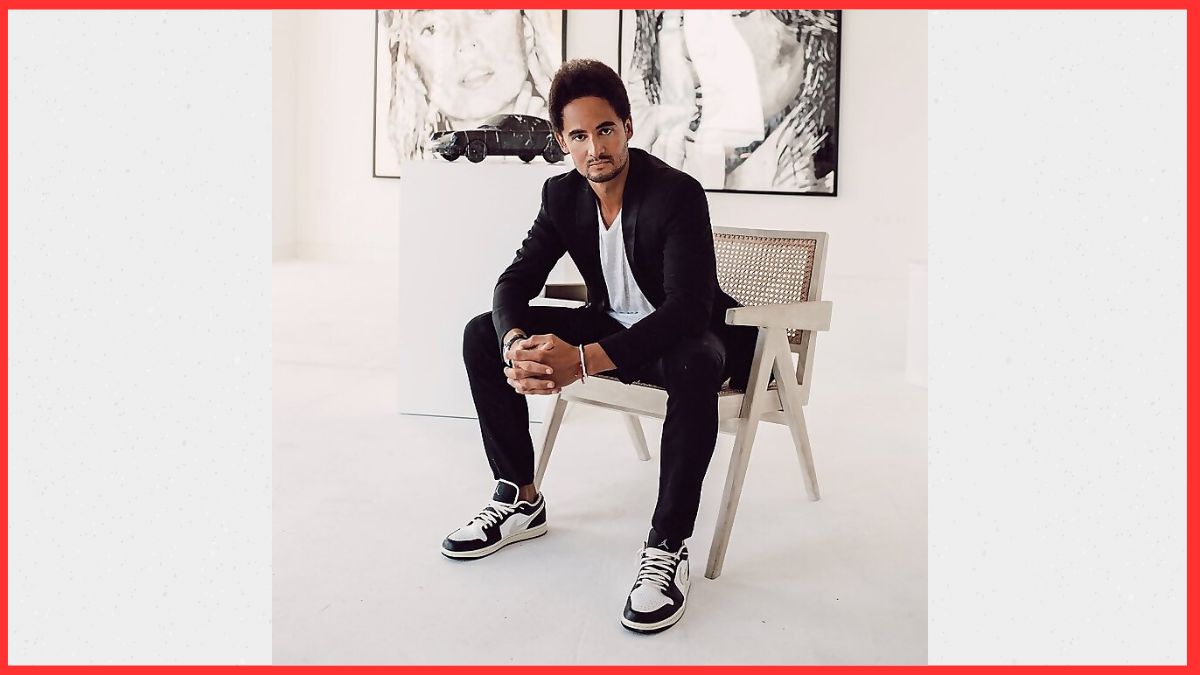
Luxury influencer Louis Nicolas Darbon operates within a niche segment of the digital creator economy that focuses on high-end lifestyle, travel, and premium brand storytelling. His positioning is not mass-market; instead, it is tailored toward affluent audiences and aspirational consumers, which significantly shapes his monetization strategy. Unlike volume-driven creators, Darbon’s value lies in audience quality, brand alignment, and content aesthetics.
Core Revenue Streams Powering His Income
Brand Partnerships and Sponsored Content
The primary income driver for Darbon is strategic brand collaborations. Luxury influencers typically partner with fashion houses, hospitality groups, and premium service providers. These partnerships often include sponsored posts, campaign ambassadorships, and event-based promotions. In the U.S. market, luxury influencer campaigns can command anywhere from $5,000 to over $50,000 per post depending on audience demographics and engagement quality. Darbon’s curated audience allows brands to target high-intent consumers, which increases his pricing power.
Affiliate Marketing and Performance-Based Earnings
Another measurable revenue stream comes from affiliate partnerships. By integrating trackable links into his content—particularly for luxury goods and travel bookings—Darbon can earn commissions on conversions. In the U.S., affiliate commissions for luxury goods typically range from 5% to 15%, depending on the retailer and exclusivity of the partnership. This model creates scalable income without requiring additional content production beyond initial promotion.
Event Appearances and Experiential Marketing
Luxury influencers often monetize through paid appearances at brand events, product launches, and private experiences. These engagements are especially valuable in markets like New York, Los Angeles, and Miami, where experiential marketing budgets are high. Fees for such appearances can range from $2,000 to $20,000 per event, depending on the campaign scope and exclusivity requirements.
Platform Monetization and Digital Assets
Instagram as a Primary Revenue Engine
Darbon’s business model is heavily anchored in Instagram, where visual storytelling drives engagement. Revenue is generated not through platform payouts alone but through its function as a lead-generation funnel for brand deals. High engagement rates—often above 2% in the luxury niche—signal strong audience trust, which is critical for premium partnerships.
Content Licensing and Brand Usage Rights
Brands frequently pay additional fees to reuse influencer-generated content across their own marketing channels. This includes website placement, paid ads, and email campaigns. In the U.S., licensing fees can add 20% to 100% on top of the original content fee, creating a secondary income layer from a single campaign.
Strategic Positioning in the U.S. Market
Darbon’s monetization approach aligns with broader trends in the U.S. creator economy, where micro-to-mid tier luxury influencers prioritize exclusivity over scale. His revenue model emphasizes fewer but higher-value deals, long-term partnerships, and consistent brand alignment.
The Bottom Line: High-Value, Low-Volume Monetization
Louis Nicolas Darbon’s income generation strategy reflects a premium creator model built on audience quality, brand trust, and diversified revenue streams. By combining sponsored content, affiliate earnings, event participation, and content licensing, he leverages multiple income channels while maintaining a cohesive luxury brand identity. This approach ensures both sustainability and scalability within the competitive U.S. influencer market.