

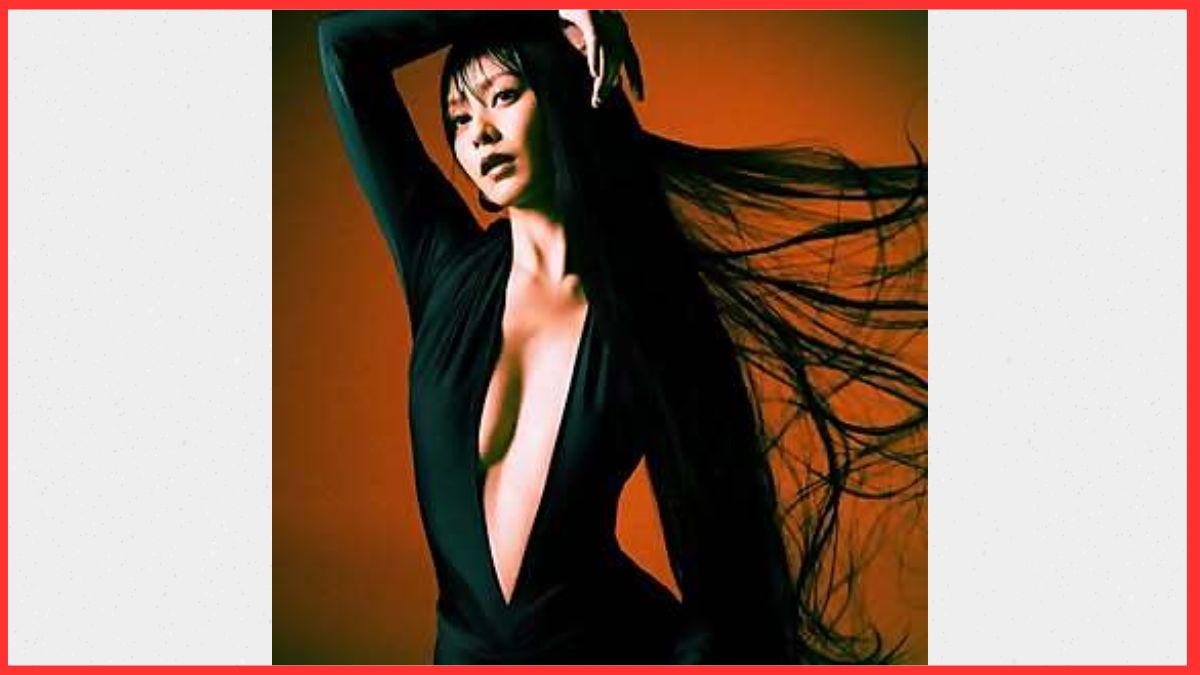
Luxury influencer He Ying Ying represents a new wave of digital creators who blend lifestyle content with structured business monetization strategies. In the U.S. creator economy context, influencers like her operate less like casual content posters and more like media entrepreneurs managing diversified income portfolios across platforms such as Instagram, TikTok, and YouTube.
Rather than relying on a single revenue stream, luxury influencers typically build layered business models that combine brand partnerships, affiliate marketing, and digital product ecosystems.
Brand Partnerships: The Core Revenue Engine
High-Value Sponsored Campaigns
For luxury influencers, brand collaborations are often the primary income source. In the U.S. influencer marketing ecosystem, luxury niche creators typically work with fashion, beauty, jewelry, and travel brands seeking aspirational audiences.
He Ying Ying’s content style—centered around premium aesthetics and curated lifestyle visuals—aligns with what brands prioritize in sponsored campaigns: engagement quality and audience trust.
How Payment Structures Work
Brand deals are generally structured in three ways:
- Flat-fee sponsored posts (paid per campaign)
- Multi-post brand ambassadorships (monthly or quarterly retainers)
- Performance-based campaigns tied to clicks or conversions
In luxury niches, long-term ambassador partnerships often generate more stable income compared to one-off collaborations.
Affiliate Marketing: Performance-Based Earnings
Commission-Driven Revenue Model
Affiliate marketing plays a major supporting role in luxury influencer income strategies. Influencers earn commissions when followers purchase products through tracked links.
In the U.S. market, affiliate networks such as RewardStyle (LTK) and Amazon Associates are commonly used by lifestyle creators. Luxury influencers typically promote:
- Designer fashion pieces
- Premium skincare products
- High-end accessories and travel services
Why It Works in Luxury Niches
Luxury audiences tend to research before purchasing. This increases conversion rates, making affiliate marketing a scalable revenue stream for influencers like He Ying Ying.
Content Monetization: Platform-Based Income Streams
YouTube and Short-Form Video Revenue
Platforms such as YouTube offer ad revenue sharing through CPM-based monetization. While CPM rates vary widely, luxury lifestyle content often attracts premium advertisers such as fashion houses and travel brands.
Short-form platforms like TikTok also provide creator fund payments and brand amplification opportunities, though direct payouts are usually smaller compared to brand deals.
Digital Reach as a Business Asset
Every post, reel, or video functions as a monetizable asset, contributing to both direct income and long-term audience growth.
Business Expansion: Beyond Social Media
Digital Products and Consulting
Many luxury influencers expand into:
- Personal branding guides
- Social media strategy templates
- Styling or lifestyle e-books
These products offer high-margin income since production costs are minimal compared to physical goods.
Event Appearances and Luxury Collaborations
As influencers scale, paid appearances at brand events, fashion launches, and luxury experiences become additional revenue channels. These engagements also reinforce brand positioning in high-end markets.
Conclusion: A Multi-Stream Income Ecosystem
He Ying Ying’s influence reflects a broader U.S. creator economy trend where luxury influencers function as diversified digital businesses. Their income is not dependent on one platform or deal but instead built across multiple interconnected streams—brand partnerships, affiliate marketing, platform monetization, and digital products.
This hybrid business model is what makes luxury influencing one of the most dynamic and scalable modern income paths in the digital economy.