

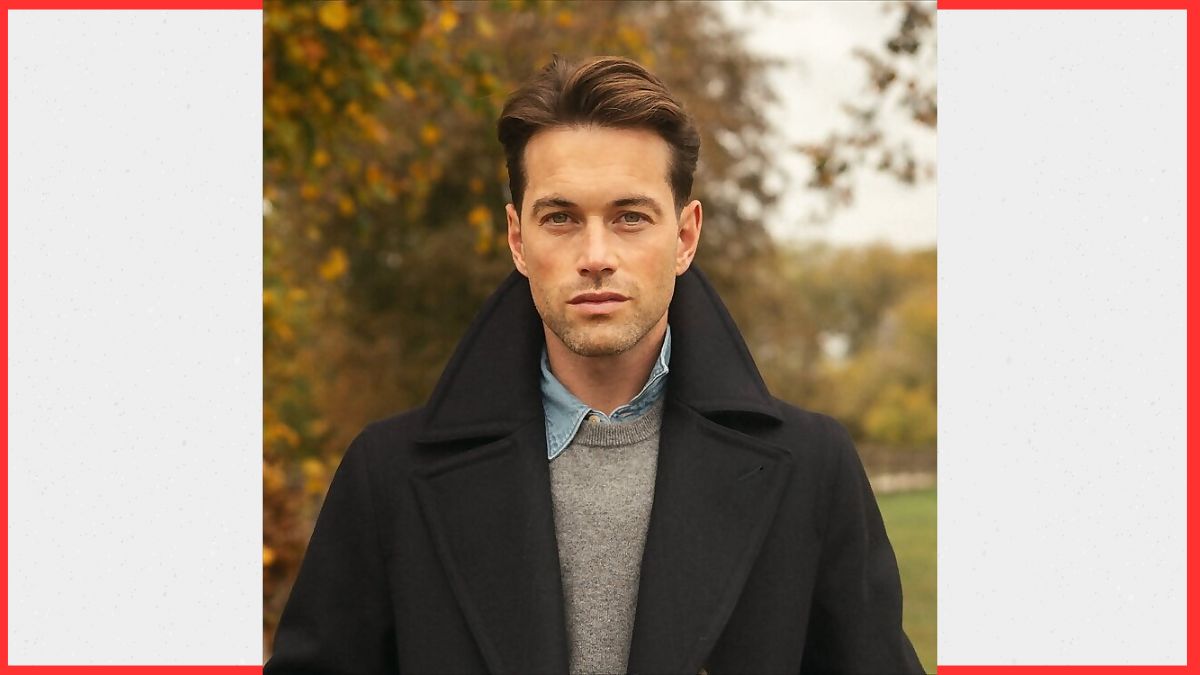
Ali Gordon has established a niche presence within the luxury lifestyle and fashion content ecosystem, primarily through visual-first platforms such as Instagram. Unlike mega influencers with mass-market appeal, Gordon operates in a more curated, high-end segment—where brand alignment, aesthetics, and audience trust directly translate into monetization opportunities.
Her business model reflects a broader shift in the U.S. influencer economy: smaller but highly engaged audiences often deliver stronger ROI for premium brands. This positioning allows Gordon to command competitive rates despite not operating at celebrity scale.
Core Revenue Streams Powering Ali Gordon’s Income
Sponsored Brand Partnerships
The primary revenue driver for Ali Gordon is sponsored content. Luxury and premium brands typically pay influencers based on a combination of audience size, engagement rate, and content quality. In the U.S. market, micro-to-mid tier luxury influencers (roughly 50K–250K followers) can earn between $1,000 to $5,000 per sponsored post, depending on campaign scope and exclusivity.
Gordon’s content style—highly polished visuals, aspirational settings, and consistent brand tone—makes her an attractive partner for fashion, travel, and beauty brands seeking premium storytelling rather than mass exposure.
Affiliate Marketing and Commission-Based Sales
Affiliate marketing serves as a secondary but scalable revenue stream. Through trackable links (often via platforms like LTK or similar tools), Gordon earns commissions on purchases driven by her recommendations.
In the U.S., affiliate commissions in luxury fashion typically range from 5% to 20% per sale. While individual conversions may be lower due to higher price points, the average order value significantly increases total earnings per transaction.
Long-Term Brand Ambassadorships
Rather than relying solely on one-off collaborations, influencers like Gordon often secure long-term contracts with brands. These agreements provide stable monthly or quarterly income and can include deliverables such as recurring posts, event appearances, and campaign exclusivity.
Such partnerships are particularly valuable in the luxury sector, where brand consistency and storytelling over time are critical for consumer trust.
Platform Monetization and Content Strategy
Instagram as the Primary Revenue Engine
Ali Gordon’s monetization is heavily tied to Instagram, which remains the dominant platform for luxury influencer marketing in the U.S. The platform’s visual-first format aligns with high-end branding, allowing Gordon to showcase products in aspirational contexts.
Instagram’s native monetization tools (such as branded content tags and shopping features) further streamline partnerships and enable measurable ROI for brands.
Content Positioning: Quality Over Quantity
A defining feature of Gordon’s strategy is a focus on high production value rather than high posting frequency. In luxury markets, fewer but more refined posts often outperform high-volume content in both engagement and conversion metrics.
This approach also supports premium pricing, as brands are paying not just for reach but for creative direction and brand-safe storytelling.
U.S.-Centric Business Model Insights
From a U.S. market perspective, Ali Gordon’s model aligns with three key monetization trends:
- Shift toward niche influence: Brands increasingly prioritize targeted audiences over broad reach.
- Performance-driven partnerships: Affiliate links and trackable campaigns tie earnings directly to sales outcomes.
- Hybrid revenue structures: Combining fixed sponsorship fees with commission-based income diversifies risk and stabilizes earnings.
The Bottom Line
Ali Gordon’s income generation strategy is built on a multi-layered model: sponsored content for immediate revenue, affiliate marketing for scalable income, and long-term brand partnerships for financial stability. By maintaining a strong visual identity and aligning with premium brands, she leverages quality-driven influence to compete effectively within the U.S. luxury influencer economy.
This structured, diversified approach reflects how modern influencers convert curated content into measurable business outcomes—without relying on mass-market scale.