

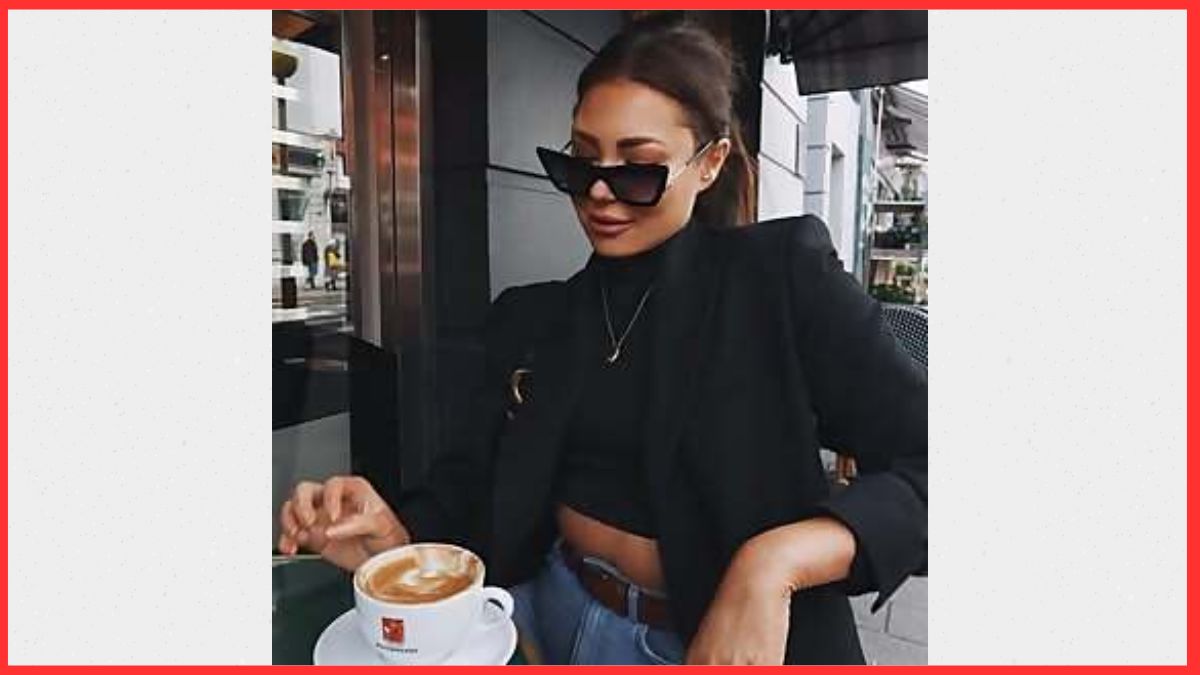
Luxury influencer Lorna Luxe has built a highly structured, revenue-driven digital business that extends far beyond traditional social media endorsements. Based in the UK but operating within a global luxury market—including strong engagement from U.S. consumers—her business model reflects a modern, multi-channel monetization strategy rooted in fashion authority, brand alignment, and direct-to-consumer commerce.
At the core of Lorna Luxe’s income generation is brand collaboration. She partners with premium and accessible luxury labels for sponsored campaigns across Instagram and other platforms. These partnerships typically involve curated outfit showcases, seasonal campaigns, and capsule promotions. In the U.S. influencer economy, creators in her tier—mid-to-high six-figure follower range—can command thousands of dollars per post depending on engagement metrics, audience demographics, and campaign scope. Luxe’s polished aesthetic and consistent brand identity increase her commercial value, allowing repeat collaborations with fashion and beauty companies targeting affluent shoppers.
Affiliate Marketing as a Performance Revenue Engine
Commission-Based Earnings Through Shopping Platforms
A significant portion of Lorna Luxe’s revenue is driven by affiliate marketing, particularly through platforms like LIKEtoKNOW.it (LTK). By linking featured outfits and products, she earns commissions on each purchase generated through her content. This model is especially effective in the U.S., where affiliate-driven fashion sales are deeply integrated into consumer behavior.
Unlike flat-fee sponsorships, affiliate income scales with performance. High-conversion items—such as seasonal wardrobe staples or trending luxury pieces—can generate recurring income long after initial posts go live. This creates a compounding revenue effect, positioning Luxe’s content as both inspiration and a persistent sales funnel.
Direct Retail Collaboration and Product Lines
Limited-Edition Drops and Retail Partnerships
Beyond affiliate links, Lorna Luxe has expanded into direct retail collaborations, most notably with fashion retailers on capsule collections. These limited-edition product drops allow her to monetize her personal brand more directly, typically through revenue-sharing agreements or licensing deals.
Retail collaborations are particularly valuable in the U.S. market, where influencer-led collections often achieve rapid sell-through rates due to built-in audience trust. These partnerships not only generate immediate sales revenue but also elevate brand equity, positioning Luxe as a designer-entrepreneur rather than solely a content creator.
Social Media as a Multi-Platform Revenue Hub
Instagram, Content Licensing, and Digital Influence
Instagram remains Lorna Luxe’s primary distribution channel, functioning as both a marketing engine and a monetization platform. In addition to sponsored posts and affiliate links, influencers at her level can generate revenue through content licensing, where brands reuse high-quality visuals for paid advertising.
Her consistent visual identity—neutral tones, luxury styling, and editorial-quality imagery—enhances her appeal to brands seeking premium content assets. This enables secondary income streams beyond initial campaign fees.
A Diversified, Data-Driven Business Model
Lorna Luxe’s success reflects a diversified approach that blends brand partnerships, affiliate commerce, and retail collaboration. From a U.S.-centric perspective, her model aligns with broader influencer economy trends: performance-based earnings, direct-to-consumer influence, and scalable personal branding.
Rather than relying on a single revenue stream, Luxe operates a layered monetization system where each channel reinforces the other. Sponsored content drives visibility, affiliate links convert engagement into sales, and product collaborations build long-term brand equity. This integrated approach positions her as not just a luxury influencer—but a fully developed digital entrepreneur in the global fashion economy.