
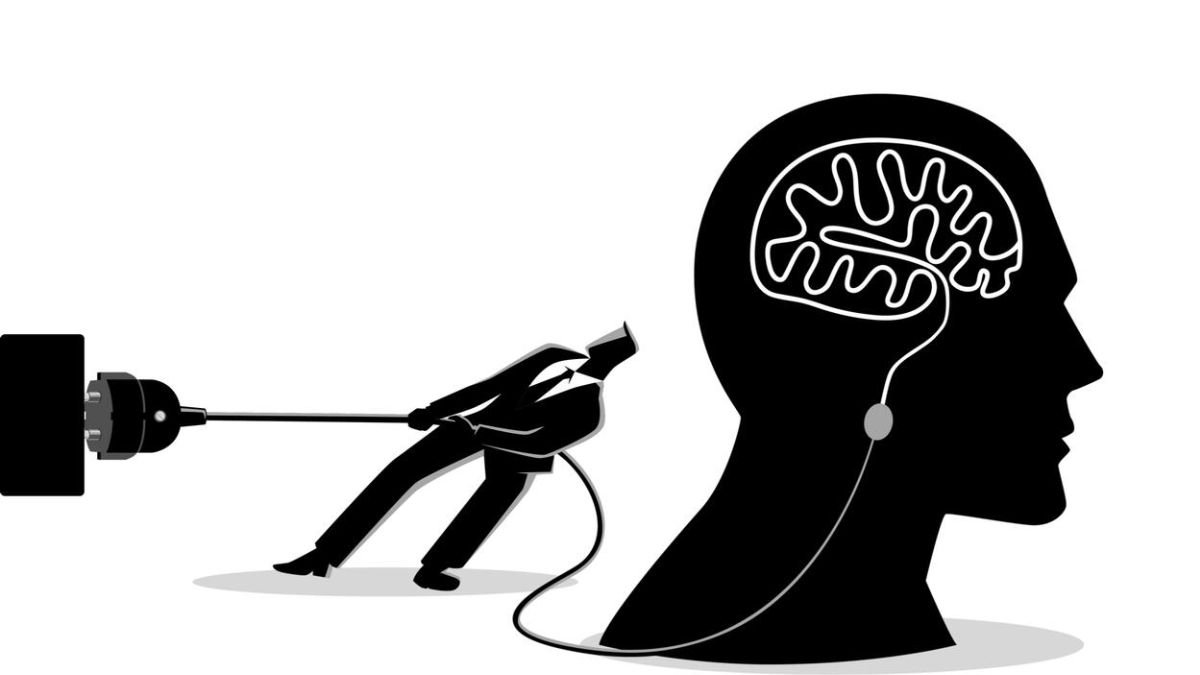
Reducing screen time can significantly enhance learning and focus by minimizing distractions and allowing the brain to concentrate more fully on the task at hand. Constant notifications, social media scrolling, and multitasking on digital devices fragment attention, making it harder to process information deeply or retain what is learned. When screen usage is limited, the mind has the space to engage with material in a focused, uninterrupted way, which improves comprehension, memory retention, and problem-solving abilities.
Less screen time also reduces mental fatigue caused by overstimulation. Exposure to bright screens, rapid content changes, and endless streams of information can tire the brain, making it difficult to stay attentive or think critically. Taking breaks from digital devices allows the cognitive system to reset, improving clarity of thought and increasing the ability to sustain focus for longer periods. This mental refresh is particularly beneficial when studying complex subjects, completing assignments, or engaging in creative tasks that require deep concentration.
Moreover, cutting back on screen use encourages alternative learning strategies that strengthen attention and engagement. Activities like reading physical books, writing notes by hand, or discussing topics face-to-face help solidify understanding and improve critical thinking skills. The reduction in passive screen consumption also supports better sleep and lower stress levels, both of which are essential for cognitive function and effective learning. Over time, limiting screen exposure creates a mental environment where focus, memory, and understanding can flourish naturally, making learning more efficient and meaningful.
