

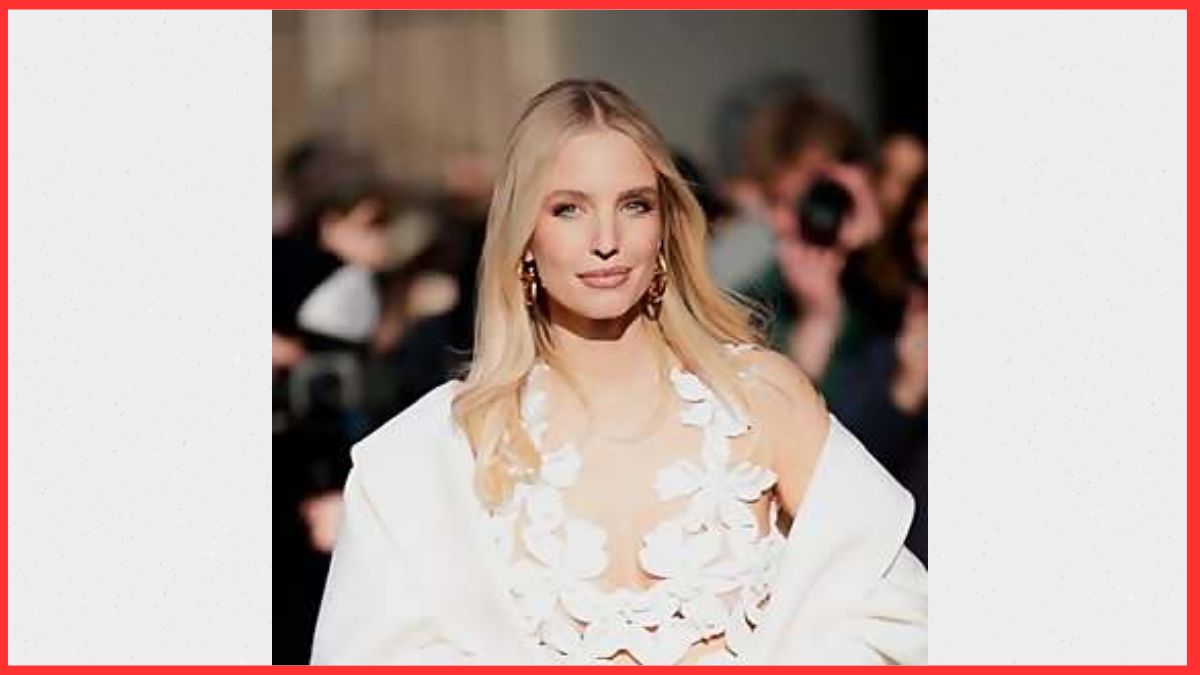
In today’s influencer-driven economy, few names resonate in luxury fashion quite like Leonie Hanne. Based between Europe and the United States’ key fashion hubs, Hanne has transformed her digital presence into a structured, multi-channel business. Her platform—spanning Instagram, fashion weeks, and branded collaborations—functions less like a personal blog and more like a scalable media company targeting high-end consumers.
Core Revenue Stream: Premium Brand Partnerships
High-Value Sponsored Collaborations
Hanne’s primary income source stems from strategic partnerships with global luxury houses such as Dior, Louis Vuitton, and Fendi. These collaborations typically involve campaign appearances, front-row visibility at fashion weeks, and curated social media placements.
Unlike mid-tier influencers, Hanne operates in the premium pricing tier. Sponsored posts from top-tier luxury influencers can command five-figure fees per post, particularly when paired with global campaign usage rights. Her consistent presence at events like Paris Fashion Week and Milan Fashion Week further elevates her commercial value, allowing brands to leverage her reach across both digital and traditional fashion audiences.
Owned Media: Social Platforms as Monetizable Assets
Instagram as a Primary Distribution Channel
Hanne’s Instagram account serves as her central revenue engine. With millions of followers, it acts as a high-performing advertising channel for luxury brands. From a U.S. market perspective, this aligns with the broader creator economy model, where influencers monetize attention through direct brand deals rather than platform ad revenue.
Unlike YouTube-centric creators, Hanne does not rely heavily on ad-share income. Instead, her monetization is tied to exclusive brand storytelling—short-form, high-production content that mirrors editorial campaigns seen in magazines like Vogue.
Event-Based Income and Industry Positioning
Fashion Weeks as Business Infrastructure
Participation in global fashion weeks is not merely promotional—it is a revenue-generating mechanism. Brands often cover travel, accommodations, and styling costs while compensating influencers for appearances and content production.
For U.S.-based readers, this resembles a hybrid of celebrity endorsement and media licensing. Hanne effectively monetizes her presence at industry events, turning each appearance into a multi-post content series with measurable ROI for brand partners.
Diversification: Long-Term Brand Equity
Strategic Collaborations and Capsule Collections
Beyond one-off campaigns, Hanne has engaged in capsule collaborations and long-term partnerships. These deals typically include co-branded product lines or ambassador roles, which provide more stable and recurring income streams compared to single posts.
This model mirrors U.S. influencer-business evolution, where creators transition into brand co-creators. By aligning with established luxury houses, Hanne avoids the operational risks of launching independent labels while still benefiting from product-driven revenue.
The Business Model: A Scalable Luxury Media Brand
Leonie Hanne’s income generation strategy is rooted in three pillars: premium partnerships, high-impact social media distribution, and event-driven monetization. From a U.S.-centric business lens, her model reflects a shift from influencer marketing to influencer-led media enterprises.
Her success lies in maintaining exclusivity. By working primarily with top-tier brands and limiting overexposure, she preserves pricing power—an essential factor in luxury market economics. The result is a sustainable, high-margin business that continues to scale globally without diluting brand value.
In a crowded influencer landscape, Leonie Hanne stands out not just as a fashion personality, but as a disciplined entrepreneur operating at the intersection of media, luxury, and commerce.