

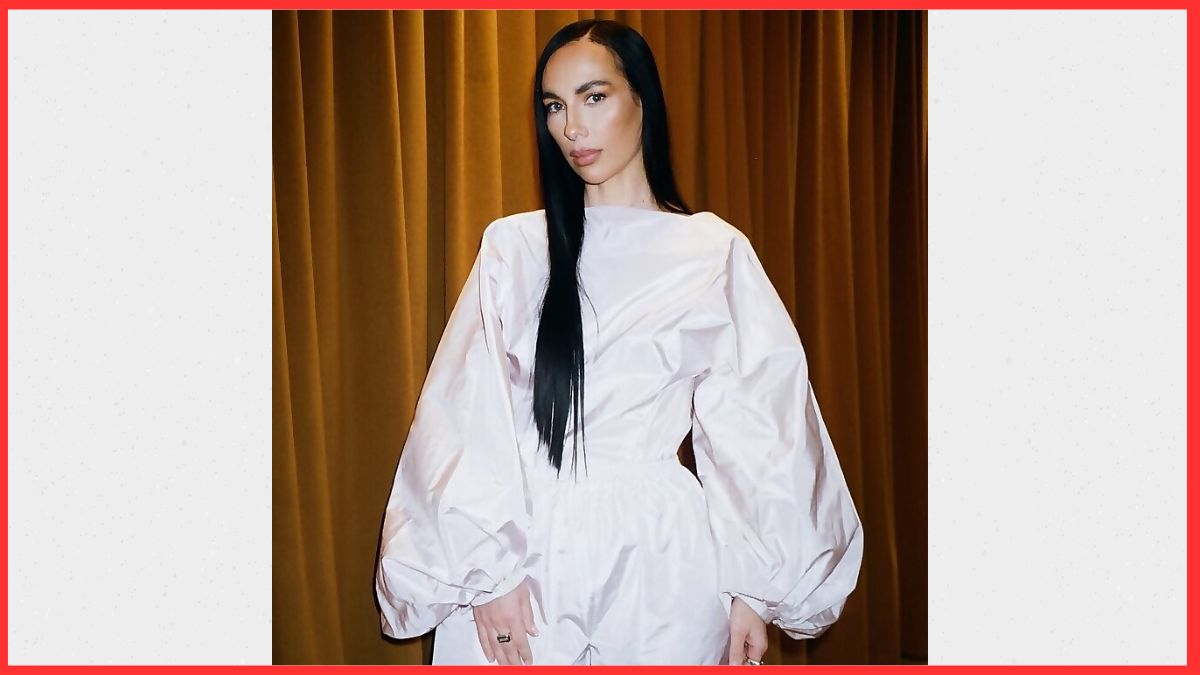
Julia Lang has emerged as a notable figure in the global luxury influencer economy by combining content creation with a structured, diversified business model. Rather than relying solely on social media visibility, Lang operates across multiple monetization channels that align closely with how U.S.-based luxury influencers scale income today.
Her digital presence—primarily across Instagram and fashion-focused platforms—serves as a high-value marketing funnel. This audience base enables her to collaborate with premium fashion, beauty, and lifestyle brands targeting affluent, style-conscious consumers. In the U.S. influencer market, luxury brand partnerships can command fees ranging from $5,000 to $50,000 per campaign depending on audience size and engagement rates, and Lang’s positioning places her within this premium tier.
Brand Partnerships and Sponsored Campaigns
High-Value Collaborations Drive Core Revenue
A significant portion of Julia Lang’s income is derived from brand partnerships. These collaborations are typically structured as sponsored posts, multi-post campaigns, or long-term ambassador roles. Luxury brands prioritize influencers like Lang because they deliver both aspirational content and targeted reach.
In the U.S. market, brands increasingly favor long-term collaborations over one-off posts, allowing influencers to negotiate higher cumulative contracts. Lang’s consistent aesthetic and brand alignment make her a strong candidate for such deals, which often include usage rights, exclusivity clauses, and performance-based bonuses.
Founder-Led Business: VEERT as a Scalable Revenue Stream
Direct-to-Consumer Jewelry Brand Expansion
Beyond influencing, Julia Lang is the founder of VEERT, a New York-based jewelry brand focused on modern luxury accessories. This venture represents her most scalable income stream. VEERT operates on a direct-to-consumer (DTC) model, allowing higher profit margins compared to wholesale distribution.
The brand has secured retail partnerships with major U.S. luxury retailers such as SSENSE and Saks Fifth Avenue, expanding its reach beyond Lang’s personal audience. In the U.S. retail ecosystem, placement in these stores signals strong brand credibility and can significantly increase annual revenue through both online and in-store sales.
Pricing within VEERT’s product line positions it firmly in the accessible luxury segment, typically ranging from approximately $150 to over $500 per item. This pricing strategy balances exclusivity with scalability, enabling consistent revenue generation across broader consumer segments.
Affiliate Marketing and E-Commerce Integration
Performance-Based Income Streams
Julia Lang also leverages affiliate marketing as a supplemental revenue stream. Through curated product recommendations and shopping links, she earns commissions on sales generated via her content. In the U.S., affiliate commission rates in the luxury fashion sector generally range between 5% and 15%, depending on the platform and retailer.
This model allows for passive income generation while reinforcing her role as a trusted style curator. Integrated e-commerce tools on platforms like Instagram Shops further streamline the conversion process, increasing the likelihood of purchase.
Strategic Positioning in the U.S. Luxury Market
Julia Lang’s business model reflects a broader shift in the U.S. influencer economy: creators evolving into entrepreneurs. By combining high-value brand partnerships with a founder-led product business and performance-based income streams, she reduces dependency on any single revenue source.
This diversified structure not only stabilizes income but also increases long-term brand equity. In today’s competitive luxury landscape, Lang’s approach demonstrates how influencers can transform digital visibility into a sustainable, multi-channel business.