

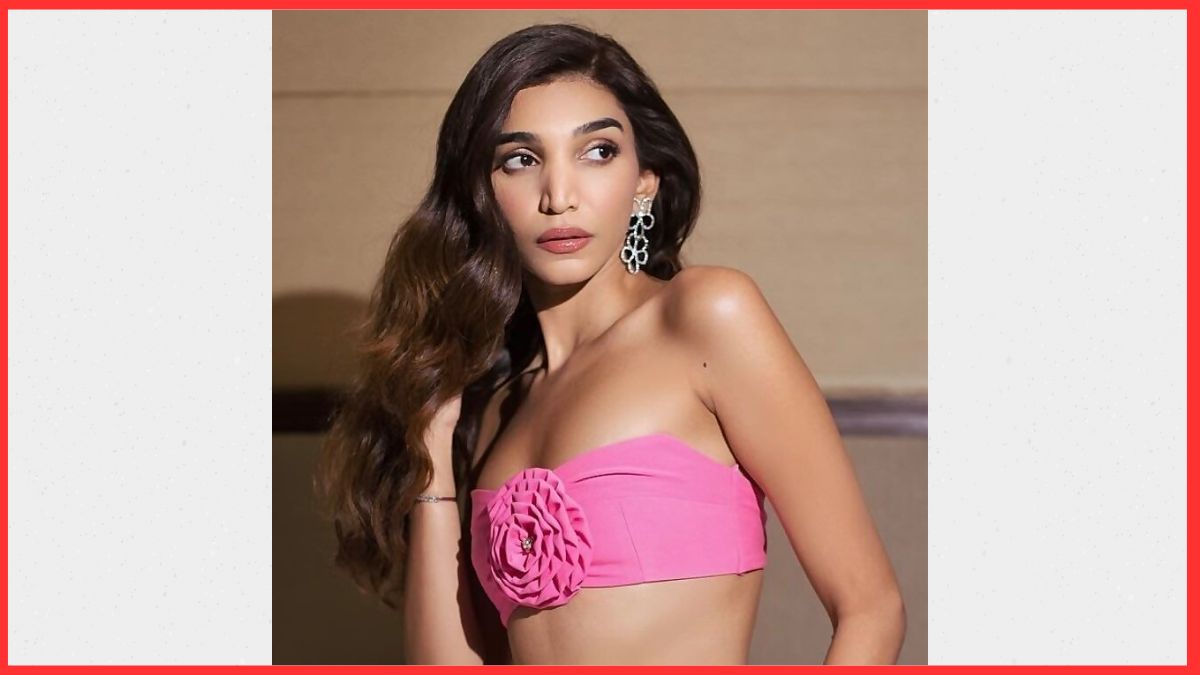
Juhi Godambe Jain has emerged as a notable luxury fashion influencer and digital entrepreneur, building a scalable business model that extends well beyond social media aesthetics. With a strong presence on Instagram and growing influence in international markets, her monetization strategy reflects a structured blend of brand partnerships, content licensing, and founder-led ventures. For U.S.-based readers, her model mirrors the evolution of influencer-led businesses seen across New York and Los Angeles—where personal branding is strategically converted into diversified income streams.
Core Revenue Stream: High-Value Brand Partnerships
Sponsored Content and Campaign Collaborations
A primary source of income for Juhi Godambe Jain is premium brand collaborations. She has worked with globally recognized luxury and lifestyle brands, including fashion houses and beauty labels. These partnerships typically include sponsored posts, multi-deliverable campaigns, and long-term ambassadorships.
In the U.S. influencer economy, mid-to-top tier creators with similar audience scale often command between $5,000 and $25,000 per sponsored Instagram post, depending on engagement rates and deliverables. While exact figures for Jain are not publicly disclosed, her positioning in the luxury segment suggests she operates within this premium pricing bracket, particularly for integrated campaigns that include reels, stories, and cross-platform promotion.
Event Appearances and Brand Activations
Another monetization layer includes paid appearances at fashion weeks, brand launches, and private luxury events. These engagements often combine appearance fees with content deliverables, creating dual revenue opportunities.
Founder-Led Venture: Arabella Clothing Brand
Direct-to-Consumer Fashion Revenue
Juhi Godambe Jain is also the founder of Arabella, a contemporary fashion label. This business operates on a direct-to-consumer (DTC) model, selling through its own digital storefront and leveraging her personal brand for customer acquisition.
DTC brands in the U.S. typically achieve higher margins—often between 60% to 70% gross margins—by eliminating intermediaries. Jain’s influencer status reduces customer acquisition costs significantly, as her social media channels act as built-in marketing funnels. Product drops, seasonal collections, and limited-edition releases create urgency-driven sales cycles, a proven strategy in U.S. fashion e-commerce.
Content Monetization and Platform Strategy
Multi-Platform Distribution
Beyond Instagram, Juhi Godambe Jain extends her reach through platforms such as YouTube and brand-led digital campaigns. While influencer earnings from YouTube ad revenue are generally modest compared to sponsorships, long-form content enhances brand storytelling and supports higher-value partnerships.
Licensing and Usage Rights
A growing revenue stream in the influencer economy is content licensing. Brands often pay additional fees to reuse influencer-generated content in paid advertising campaigns. This can increase deal value by 20% to 50%, depending on usage scope and duration.
Strategic Positioning: Luxury Niche and Audience Targeting
Juhi Godambe Jain’s focus on luxury fashion positions her within a high-value niche, attracting premium advertisers. In the U.S., luxury-focused influencers typically achieve higher CPMs (cost per thousand impressions), often exceeding $30–$50, compared to $5–$15 for general lifestyle creators. This premium positioning directly impacts her earning potential across campaigns.
The Bottom Line: A Diversified, Scalable Influence Economy Model
Juhi Godambe Jain’s income generation strategy reflects a mature, U.S.-aligned influencer business model: diversified revenue streams, strong brand equity, and vertical integration through her own label. By combining high-ticket brand deals, a DTC fashion business, and strategic content monetization, she has built a resilient and scalable digital enterprise that aligns with global luxury market dynamics.