

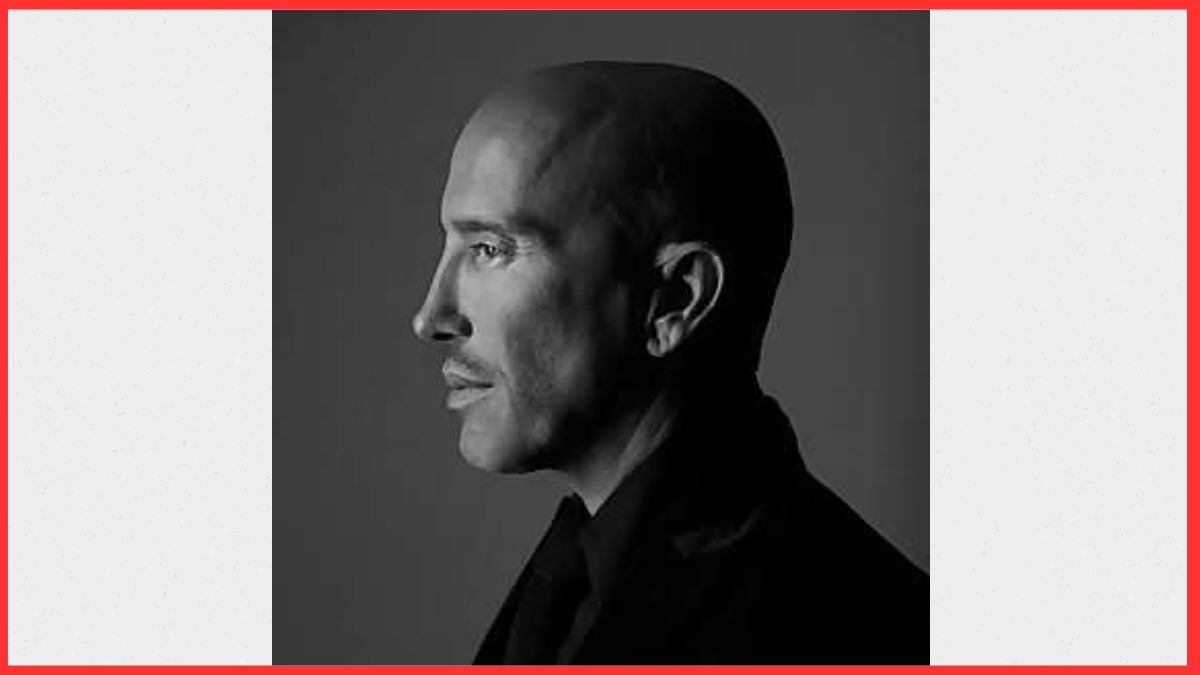
In the U.S. luxury real estate market, few figures have successfully blended high-end property brokerage with mass-market visibility like Jason Oppenheim. As the president and founder of The Oppenheim Group, his income model is rooted in traditional real estate commissions—but scaled through strategic branding, media exposure, and team-based brokerage operations.
Core Revenue Stream: High-Value Real Estate Commissions
The foundation of Jason Oppenheim’s income comes from commissions on luxury residential real estate transactions in Los Angeles and surrounding high-value markets. The Oppenheim Group specializes in multimillion-dollar listings, where standard U.S. commission structures typically range from 4% to 6% of the sale price, split between buyer and seller agents.
Given that many of the firm’s transactions involve properties priced between $5 million and $50 million+, even a single deal can generate six-figure commission income. As broker-owner, Oppenheim earns a portion of commissions generated by agents within his firm, creating a scalable revenue model beyond his personal sales activity.
Brokerage Model: Scaling Through Agent Commissions
The Oppenheim Group operates on a team-based brokerage structure, where affiliated agents close deals under the firm’s brand. Oppenheim monetizes this through commission splits—typically taking a percentage of each agent’s earnings in exchange for brand access, office infrastructure, marketing support, and deal flow.
This model allows revenue growth without requiring proportional increases in personal workload. As the agent roster expands and transaction volume increases, brokerage-level income scales accordingly, making it a high-margin, performance-driven business.
Media Monetization: Netflix and Brand Amplification
A major differentiator in Oppenheim’s income strategy is media exposure through the Netflix reality series “Selling Sunset.” While exact compensation figures are not publicly disclosed, participation in a globally distributed streaming show creates measurable downstream financial impact.
The series acts as a powerful lead-generation engine, increasing inbound client inquiries, elevating listing visibility, and strengthening brand equity. Properties featured on the show often benefit from heightened demand, which can accelerate sales timelines and support premium pricing strategies.
Premium Listings as Marketing Assets
Unlike traditional advertising, Oppenheim leverages luxury listings themselves as marketing tools. High-production property tours, social media distribution, and television exposure reduce reliance on paid marketing channels while delivering global reach.
This approach lowers customer acquisition costs while increasing conversion efficiency—particularly among international buyers seeking Los Angeles luxury real estate.
Ancillary Revenue Opportunities
Beyond commissions, The Oppenheim Group benefits from ancillary income streams tied to brand positioning. These include referral fees from co-brokered deals, partnerships with developers for new construction listings, and potential speaking or appearance opportunities tied to industry expertise and media visibility.
A Hybrid Model Built for Scale
Jason Oppenheim’s business model demonstrates how a traditional U.S. brokerage can evolve into a multi-channel revenue engine. By combining high-ticket real estate transactions, scalable agent commissions, and global media exposure, he has created a system where brand visibility directly drives deal flow and income growth.
For U.S. audiences, the takeaway is clear: in high-value markets, visibility and distribution can be just as important as sales expertise. Oppenheim’s model shows that when luxury real estate meets strategic media positioning, the result is a powerful, diversified income ecosystem.