

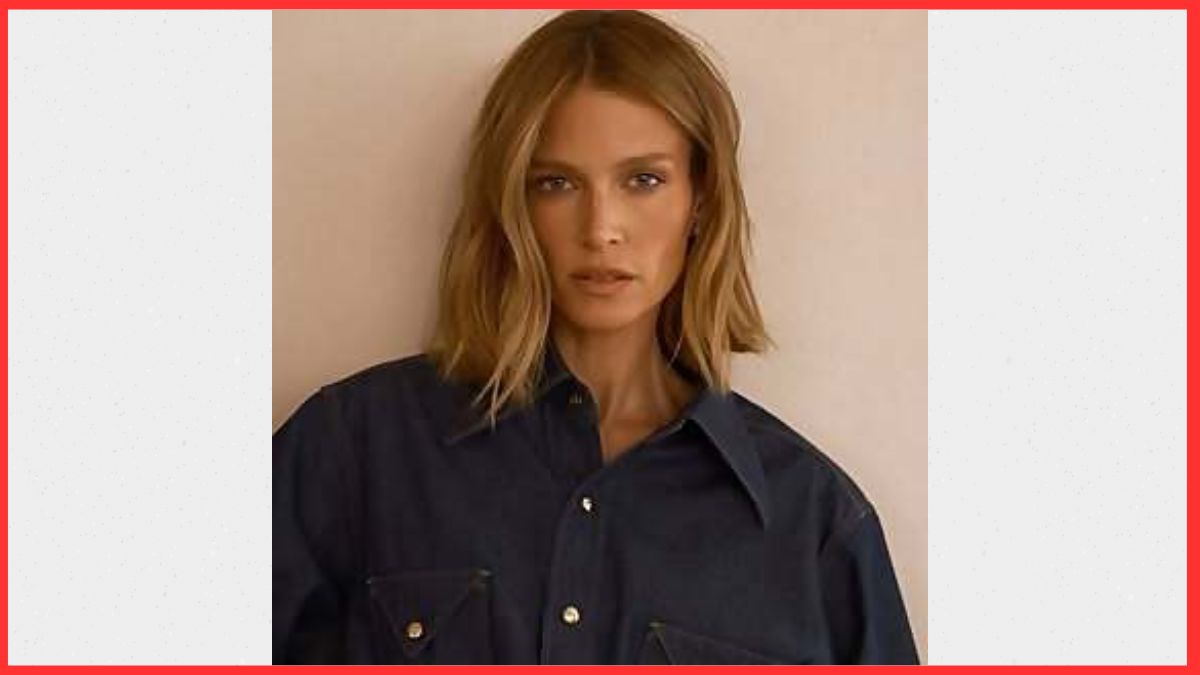
Brazilian-born fashion entrepreneur and influencer Helena Bordon has built a sophisticated, multi-channel business model that alignsclosely with U.S.-style creator monetization frameworks. With millions of followers across Instagram and other digital platforms, Bordon operates less like a traditional influencer and more like a vertically integrated luxury media brand.
Her income structure is diversified, combining brand partnerships, equity ventures, and direct-to-consumer channels. This hybrid model reflects the broader evolution of the influencer economy, particularly in the United States, where creators increasingly function as founders and strategic partners rather than just paid promoters.
Primary Revenue Streams Driving Helena Bordon’s Income
1. High-Value Brand Partnerships
A significant portion of Bordon’s income comes from long-term partnerships with global luxury houses. She has collaborated with brands such as Dior, Valentino, and Louis Vuitton, which typically allocate substantial budgets to influencer marketing. In the U.S. market, top-tier luxury influencers can command anywhere from $20,000 to over $100,000 per sponsored post depending on reach and engagement—benchmarks that align with Bordon’s positioning.
These partnerships often extend beyond one-off posts to include campaign ambassadorships, fashion week appearances, and exclusive content creation. This recurring structure creates predictable revenue streams.
2. Equity and Co-Creation Projects
Bordon has participated in capsule collections and co-branded product lines, a model increasingly common in the U.S. creator economy. Instead of flat fees, these deals may include revenue-sharing or equity stakes, allowing her to benefit directly from product sales performance.
This approach mirrors strategies used by U.S.-based influencers who transition into brand builders, effectively increasing lifetime earnings per collaboration.
3. Digital Advertising and Platform Monetization
While Instagram remains her primary platform, monetization extends to affiliate marketing and performance-based campaigns. Through trackable links and curated product recommendations, Bordon earns commissions on luxury retail purchases.
In the U.S., affiliate conversion rates in luxury fashion can yield commission structures ranging from 5% to 15%, depending on the retailer. Given her audience demographics—high-income, fashion-forward consumers—these campaigns can generate substantial incremental income.
Expansion into Entrepreneurial Ventures
4. Founder-Led Business Initiatives
Bordon has also launched her own ventures, including fashion-related projects that position her as a business owner rather than solely a promoter. This aligns with a key U.S. trend: influencers transitioning into founders to capture higher margins and brand equity.
Founder-led models typically produce revenue through product sales, licensing, and potential investor backing, offering more scalable income compared to sponsored content alone.
5. Event-Based Monetization and Industry حضور
Participation in global fashion events—particularly those with strong U.S. media coverage—adds another monetization layer. Brands often compensate influencers for appearances, content production during events, and audience amplification.
This strategy enhances both short-term income and long-term brand valuation.
A U.S.-Aligned Monetization Blueprint
Helena Bordon’s business model reflects a mature, U.S.-aligned influencer economy where revenue diversification is critical. By combining sponsorships, equity participation, affiliate income, and entrepreneurial ventures, she has built a resilient financial ecosystem.
For U.S. audiences, her strategy offers a clear blueprint: sustainable influencer income today depends not just on visibility, but on ownership, strategic partnerships, and scalable business design.