
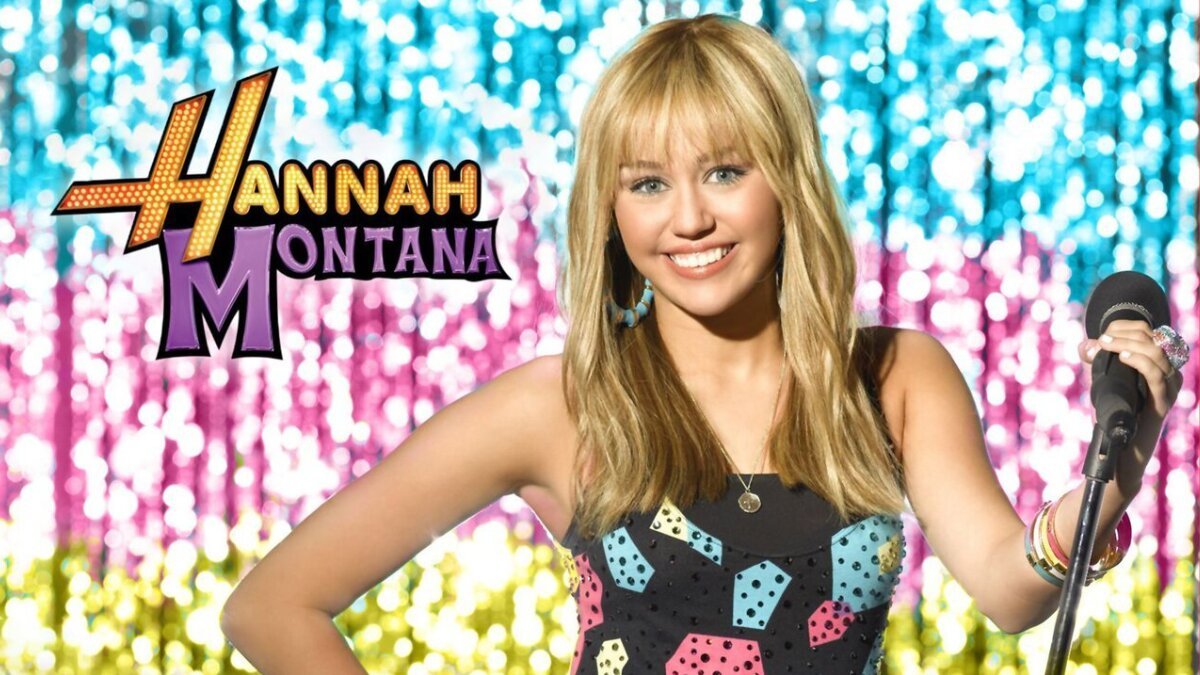
Introduction: Pop Star Fantasy in an Uncertain Reality
There’s something shimmering in the collective consciousness of Summer 2025—and it’s wearing a blonde wig, sparkly boots, and a denim miniskirt. Hannah Montana-core isn’t just a trend; it’s a full-blown aesthetic revival rooted in nostalgia, identity play, and a craving for controlled chaos.
But why now?
Gen Z and late Millennials are no strangers to nostalgia cycles. We’ve already had the Y2K revival, the Barbiecore wave, the early Tumblr renaissance. But Hannah Montana hits a particular nerve. Maybe it’s the tension between public persona and private identity. Maybe it’s the hyperfeminine excess in an age of curated minimalism. Maybe it’s just the unfiltered camp of the Disney Channel golden age. Either way, the Hannah Montana aesthetic has exploded—not just on TikTok or Depop, but across wardrobes, parties, playlists, and mood boards.
To be clear: this isn’t just cosplay. It’s not about pretending to be a 2006 pop star. It’s about channeling the energy of someone who could live a double life and thrive in both—chaotic, fabulous, contradictory. And in 2025, contradictions feel like the only honest way to exist.
In a world where we’re expected to pick a brand, a career, a digital persona and stick to it, Hannah Montana-core is a joyful glitch in the algorithm. You can be both glam and awkward. Both “main character” and “cringe.” Both private citizen and glittering pop icon. You can live a double life—not to deceive, but to survive.
This is fashion as resistance, girlhood as performance art, and camp as a coping mechanism. It’s a little bit country, a little bit rock and roll, and a whole lot of chaos.
Let’s break down the rise of Hannah Montana-core, how it took over Summer 2025, and why it feels like more than a trend—it feels like a movement.
Double Lives in the Age of Hypervisibility
The original Hannah Montana aired from 2006 to 2011, centering around Miley Stewart—a teenager balancing life as a “normal” schoolgirl by day and a mega-famous pop star by night. That tension between the public and the private is what resonates so deeply today.
In 2025, everyone is living a version of a double life. There’s the curated self on social media, and then there’s the off-camera version—burnt out, overstimulated, quietly unraveling. The “pop star by night, student by day” metaphor feels more like lived reality than ever before.
Hannah Montana-core doesn’t shy away from that contradiction—it celebrates it. Glitter eyeshadow, rhinestone tank tops, platform boots, and hyper-accessorized outfits become armor for navigating a world where you’re expected to perform constantly. If we must be seen, we might as well sparkle.
Nostalgia That Knows It’s Nostalgia
This isn’t your average throwback trend. It’s meta-nostalgia—fully aware, tongue-in-cheek, and steeped in irony. Gen Z isn’t reviving Hannah Montana blindly; they’re remixing her.
TikToks feature side-by-sides of 2000s footage with new voiceovers. Club nights play Hannah tracks ironically and unironically. Outfits are sourced from thrift shops or recreated from memory, with a post-ironic edge.
We’re not just longing for the past—we’re reclaiming it. Not the sanitized Disney version, but the messy, maximalist, identity-splitting chaos that feels more true than ever.
Aesthetic Elements: What Makes It ‘Hannah Montana-Core’?
To spot the aesthetic, look for:
-
Metallic miniskirts
-
Layered tank tops over long sleeves
-
Oversized belts
-
Knee-high boots with butterfly clips
-
Loud patterns, sparkles, glitter
-
“Cringe” accessories—like plastic jewelry or fuzzy handbags
-
Blonde wigs as playful costume, not concealment
It’s part Bratz doll, part Hot Topic, part Disney Channel red carpet, and all unfiltered tween chaos—repackaged as power.
There’s also an emotional aesthetic: shamelessness. You’re not “cool,” and that’s the point. You’re a pop star in a grocery store. You’re singing into your hairbrush like it’s a mic. You’re the drama. And in 2025, owning that is radical.
From Corporate Pop to Personal Power
Miley Cyrus herself has undergone an entire arc—from Disney puppet to rebellious rockstar to self-aware artist. The Hannah Montana revival is also, in some ways, a reflection of that journey. It’s not about returning to innocence—it’s about owning the phase where you didn’t know who you were yet, but you felt everything deeply.
This summer, young people aren’t just dressing like Hannah. They’re channeling that same chaotic, in-between energy. You don’t need to have your identity locked down. You can shapeshift. You can sing a ballad one day and scream into the void the next. You can live in transition.
That’s freedom.
Why Summer 2025 Was the Perfect Storm
Several cultural forces collided to make this revival inevitable:
-
Barbie (2023) and the “girlhood” revival: Sparked a new wave of hyperfeminine aesthetics.
-
Post-pandemic social fatigue: People are craving joy, silliness, color, and camp.
-
Celebrity fatigue: Hannah Montana was a celebrity you could be. No parasocial dynamics, no scandals—just wigs and drama.
-
TikTok microtrends: The algorithm rewards niche aesthetics. Hannah-core exploded because it was so specific—and so remixable.
Also, there’s the economic context. Fashion is increasingly inaccessible. Hannah Montana-core thrives on DIY looks, thrifted chaos, and dollar-store gems. It’s fashion for the broke—but make it iconic.
Girlhood as Genre, Not Phase
One reason Hannah Montana-core resonates is because it reclaims girlhood—not as something to outgrow, but as a genre. Like cottagecore or balletcore, it’s a curated world. But unlike those, it allows for contradiction.
You can be cute and chaotic. Hyperfeminine and rebellious. Confused and confident. In this world, girlhood isn’t a phase—it’s a performance space. A way to explore multiplicity instead of collapsing into one brand.
And for queer, trans, and neurodivergent communities in particular, Hannah Montana-core offers an elastic identity zone. You don’t have to pick one self. You can be all of them—and change daily.
Pop Star Mental Health: The Rot Beneath the Sparkle
Of course, no aesthetic is without shadow.
Underneath the glitter lies exhaustion. The original show’s themes—overwhelm, burnout, hiding your true self—hit harder in a world of 24/7 performance. Many fans relate to the anxiety of having to show up polished when you’re falling apart inside.
The blonde wig was once a disguise. In 2025, it’s both armor and satire. Hannah Montana-core recognizes that double lives are exhausting—but maybe necessary.
Rot and glamour can coexist. That’s the point.
Conclusion: From Pop Persona to Cultural Mirror
Hannah Montana-core might sound like just another fleeting internet aesthetic. But it’s deeper than wigs and throwback fits. It’s about multiplicity. It’s about performance. It’s about surviving contradictions without collapsing into despair.
In a world that demands you pick a lane, Hannah Montana reminds us you can walk both. You can live a double life—not out of deception, but out of necessity and power.
This summer, as playlists feature Hannah songs remixed with hyperpop, as thrift stores sell out of metallic boots, and as TikToks show teens switching between identities in seconds—we’re watching something quietly revolutionary unfold.
It’s not about pretending to be a pop star. It’s about reclaiming the parts of yourself that feel like one—the dramatic, the expressive, the over-the-top. It’s about saying yes to sparkle in a grey world. Yes to chaos in a rigid system. Yes to being extra, because being minimal has never made you feel more real.
So whether it’s a blonde wig or a rhinestone tee, a low-rise skirt or a karaoke night that spirals into something sincere—go ahead. Be the drama. Be the icon. Be the glittering contradiction.
You get the best of both worlds.
