

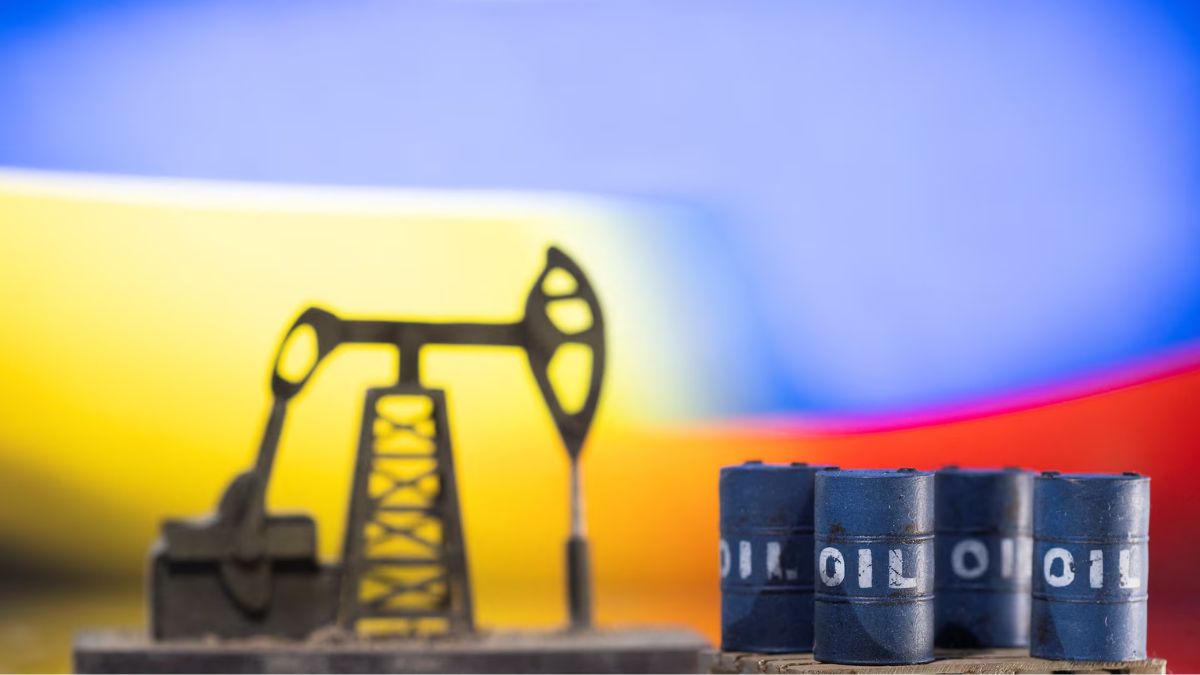
Global oil production cuts usually push Brent crude prices higher because they directly reduce the amount of oil available in the market while demand often remains steady.
When major oil-producing countries or groups agree to cut production, the immediate effect is a tighter supply of crude oil. Since Brent crude is a global benchmark, even small changes in supply expectations can move prices quickly. Traders react to the idea that fewer barrels will be available in the future, so they start bidding up prices in anticipation of scarcity.
A key example is coordinated actions by major producers through agreements to manage output. When large producers reduce supply at the same time, it creates a noticeable gap in global availability. This is especially important because oil demand does not adjust instantly. People still need fuel for transport, industries still operate, and airlines still run, so consumption remains relatively stable in the short term. This imbalance between steady demand and reduced supply supports higher Brent crude prices.
Production cuts also affect market sentiment. Even before the actual reduction takes effect, announcements alone can move prices. Oil traders closely monitor policy meetings and production targets, and expectations of tighter supply often lead to immediate price increases.
Another factor is inventory levels. When production is cut, countries draw more from existing oil reserves to meet demand. If inventories start falling faster than expected, markets become more sensitive to supply risks, which can push prices even higher.
However, the impact of production cuts can vary depending on global conditions. If demand is weak due to economic slowdown, the effect of cuts may be limited because lower consumption can balance reduced supply. But in a stable or growing economy, production cuts tend to have a stronger upward effect on Brent crude prices.
In simple terms, global oil production cuts influence Brent crude by reducing supply in a market where demand is relatively constant. This creates tighter conditions, increases competition for available barrels, and usually leads to higher prices.