

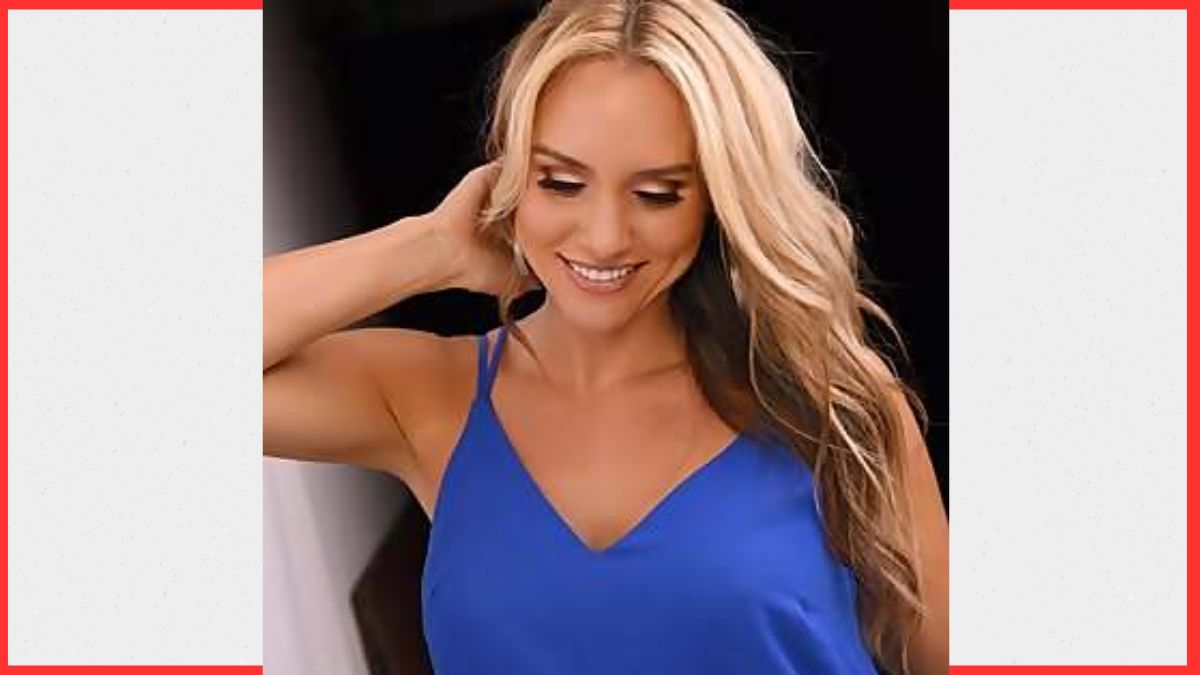
Shonda Wagner is part of a rapidly expanding class of U.S.-based food content creators who turn culinary storytelling into a multi-channel business. While not every influencer operates at the same scale or with publicly disclosed earnings, Wagner’s presence in the food content ecosystem reflects the broader monetization frameworks used by American food influencers across Instagram, TikTok, and short-form video platforms.
Her business model follows a diversified creator-economy structure—where income is not dependent on a single platform but distributed across brand partnerships, content monetization tools, and audience-driven revenue streams.
Primary Revenue Streams in Shonda Wagner’s Food Influencer Business Model
1. Brand Sponsorships and Paid Partnerships
In the U.S. food influencer industry, brand sponsorships are the dominant revenue source, often accounting for a significant share of total income. Influencers like Shonda Wagner typically collaborate with food brands, kitchen appliance companies, meal kits, and grocery retailers.
These partnerships may include:
- Sponsored recipe videos featuring branded ingredients
- Instagram reels or TikTok posts showcasing product use
- Long-form recipe integrations or “cook with me” content
Industry benchmarks suggest mid-tier food influencers in the U.S. can earn anywhere from $500 to $10,000+ per sponsored post, depending on engagement rate and follower count.
2. Affiliate Marketing and Performance-Based Earnings
Affiliate marketing is another key income channel in the food influencer space. Wagner and similar creators often share product links through platforms like Amazon Associates or food delivery services.
Each click or purchase generated through a unique tracking link earns a commission, typically ranging from 3% to 15% depending on the partner program. Kitchen tools, cookware sets, and specialty ingredients are among the highest-converting categories.
3. Social Media Monetization Programs
Platforms like TikTok and Instagram offer creator monetization tools such as:
- TikTok Creator Rewards Program
- Instagram Reels Bonus Programs (when available)
- Ad revenue sharing on eligible video content
While payouts vary significantly, creators with consistent viral reach can generate recurring monthly income based on video performance and watch time.
4. Digital Products and Recipe-Based Revenue
Many food influencers, including creators like Shonda Wagner, expand into digital product ecosystems. These may include:
- Paid recipe e-books
- Meal prep guides
- Subscription-based cooking newsletters or Patreon-style memberships
These products are particularly valuable because they generate passive income without requiring continuous brand negotiations.
5. Event Collaborations and Culinary Campaigns
Some influencers also participate in culinary pop-ups, food festivals, or brand-hosted cooking demonstrations. While not always the primary income source, these appearances can significantly increase visibility and lead to higher-paying sponsorships.
The Bigger Picture: A Multi-Layered Creator Economy Model
Shonda Wagner’s business structure reflects a broader U.S. trend where food influencers function as independent media companies. Instead of relying on one income stream, they combine sponsorships, affiliate revenue, platform monetization, and digital product sales into a scalable portfolio.
This diversified approach helps stabilize income in an industry where algorithm changes and seasonal brand budgets can directly impact earnings.
Final Insight
Shonda Wagner’s presence in the food influencer landscape illustrates how modern digital creators transform culinary content into structured business ecosystems. By leveraging multiple monetization channels, she represents a sustainable model of income generation in the evolving U.S. creator economy—where food content is not just entertainment, but a fully developed commercial enterprise.