

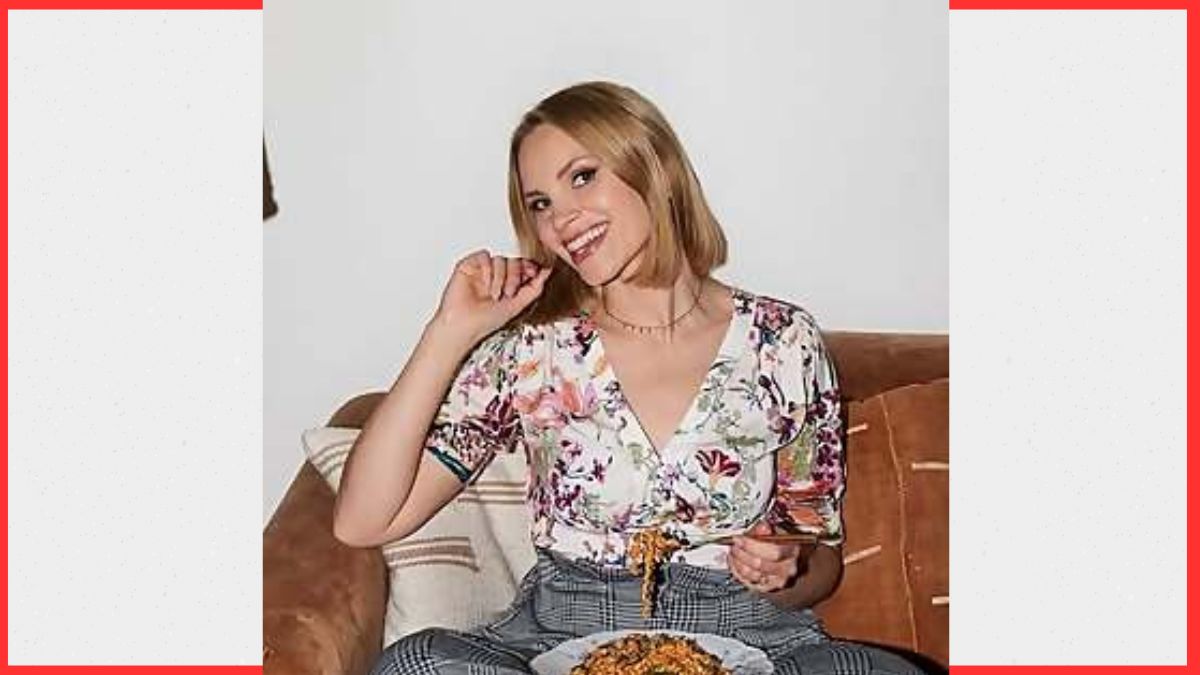
Food influencer Monique has emerged as part of the modern U.S. creator economy, where culinary storytelling meets digital entrepreneurship. While multiple creators share the name “Monique” across platforms, verified public data does not point to a single unified corporate entity. Instead, “Monique” typically represents an independent food creator operating within platforms such as Instagram, TikTok, and YouTube, where income is generated through diversified digital monetization strategies rather than traditional employment structures.
In the U.S. creator economy, food influencers like Monique build income by transforming content into scalable business assets. Their revenue streams are structured, performance-driven, and heavily tied to audience engagement metrics.
Primary Income Streams of Food Influencer Monique
1. Brand Sponsorships and Paid Collaborations
The most significant revenue source for food influencers in the United States is brand partnerships. Influencers like Monique collaborate with food brands, kitchenware companies, grocery chains, and meal kit services. These partnerships typically involve sponsored recipe videos, product placements, or “how-to” cooking content.
In the U.S. market, influencer sponsorship rates are commonly determined by engagement rates, audience demographics, and platform reach rather than fixed salaries. Brands often prioritize micro- and mid-tier influencers in the food niche due to higher engagement authenticity.
2. Affiliate Marketing Revenue
Affiliate marketing is another structured income channel. Monique likely earns commission-based revenue by promoting cooking tools, pantry items, or specialty food products through affiliate links. Platforms such as Amazon Associates and food retail affiliate programs are widely used in the U.S.
Each purchase made through tracked links generates a percentage-based commission, creating a passive income stream that scales with audience trust and content reach.
3. Ad Revenue from Video Platforms
For creators active on YouTube, ad revenue is generated through the YouTube Partner Program. Earnings depend on CPM (cost per thousand impressions), which varies based on audience geography, niche, and watch time.
Food content generally performs well in advertising markets because it attracts high-intent viewers interested in cooking, lifestyle, and product discovery.
4. Digital Products and Recipe Monetization
Many U.S. food influencers expand into digital product sales, including downloadable recipe books, meal planners, and exclusive cooking guides. These products provide high-margin revenue because they require minimal production costs after creation.
Monique-style creators often use platforms like Shopify or Gumroad to sell digital culinary content directly to audiences.
5. Platform Monetization Features
Short-form platforms such as TikTok and Instagram now offer direct creator monetization tools, including bonus programs, live-stream gifting, and subscription-based content. These features allow influencers to earn directly from audience engagement without relying solely on brand deals.
Business Model Overview: A Creator-Driven Food Enterprise
The business model behind food influencer Monique reflects a hybrid digital enterprise combining content creation, marketing strategy, and e-commerce. Rather than relying on one income source, revenue is diversified across sponsorships, affiliate partnerships, advertising, and product sales.
This multi-channel structure is essential in the U.S. influencer economy, where income stability depends on platform algorithms, audience retention, and brand demand cycles.
Conclusion: The Scalable Future of Food Influence
Food influencers like Monique represent a modern shift in how culinary media generates income. By leveraging multiple monetization channels and maintaining consistent audience engagement, they transform social media presence into sustainable digital businesses. In the U.S., this model continues to evolve as brands increasingly invest in creator-led marketing ecosystems, making food influencing a legitimate and scalable entrepreneurial path.