

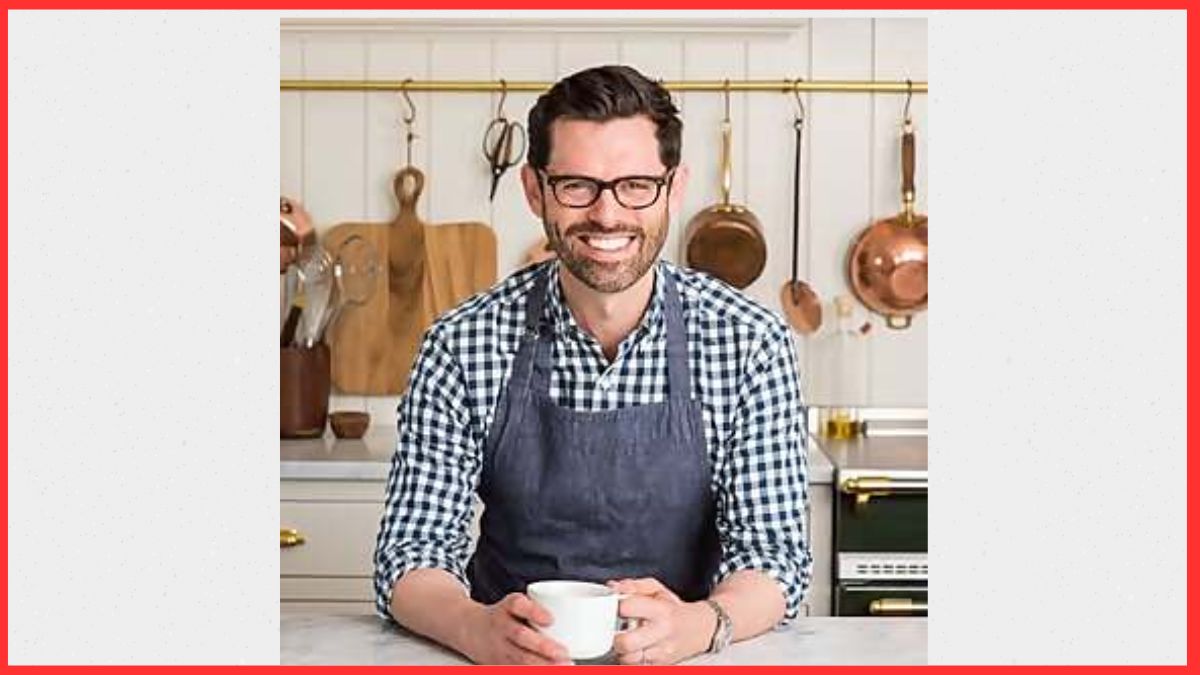
John Kanell, the creator behind the widely recognized food platform Preppy Kitchen, has built a strong and diversified income portfolio within the U.S. food influencer economy. Rather than relying on a single revenue channel, Kanell has structured his brand around multiple monetization systems that combine digital content, publishing, and brand partnerships. His business model reflects how modern food influencers transform home cooking content into scalable media enterprises.
Content Creation as a Core Revenue Engine
YouTube Monetization and Ad Revenue
One of the foundational pillars of John Kanell’s income comes from his YouTube channel under Preppy Kitchen. With millions of views across baking tutorials and recipe videos, his channel generates revenue through YouTube’s Partner Program. This includes ad impressions placed before, during, and after video content. In the U.S. creator economy, food channels with consistent high engagement can generate substantial CPM-based earnings, especially in niches like baking and home cooking, which attract stable advertiser demand.
SEO-Driven Blog Traffic Monetization
Kanell also operates a high-traffic recipe website where search engine optimization (SEO) plays a major role. Each recipe post is structured to rank on Google for specific search terms such as “vanilla cake recipe” or “chocolate cupcakes from scratch.” This organic traffic is monetized through display advertising networks like Mediavine or similar premium ad platforms commonly used by established food bloggers in the U.S.
Publishing: Cookbooks as High-Margin Products
Traditional and Digital Cookbook Sales
A major revenue stream for John Kanell is cookbook publishing. His books, including titles under the Preppy Kitchen brand, are sold through major U.S. retailers such as Amazon and Barnes & Noble. Cookbook sales generate both advance payments from publishers and ongoing royalties based on units sold. In the food influencer economy, cookbooks often serve as high-margin products that also strengthen brand authority and long-term audience trust.
Brand Partnerships and Sponsored Content
Food and Kitchen Brand Collaborations
Kanell’s audience reach allows him to collaborate with kitchenware companies, ingredient brands, and food-related consumer products. These partnerships typically involve sponsored video integrations, recipe development featuring specific products, or social media campaigns. In the U.S. influencer marketing ecosystem, food creators with strong visual storytelling skills often secure premium sponsorship rates due to high audience engagement and purchase intent.
Digital Ecosystem Expansion and Merchandising
Cross-Platform Brand Growth Strategy
Beyond advertising and publishing, Kanell extends his income model through cross-platform content distribution. His presence across YouTube, Instagram, and his website creates a cohesive funnel that drives traffic between platforms. This ecosystem increases overall monetization efficiency by maximizing impressions and audience retention.
Conclusion: A Structured Creator Economy Model
John Kanell’s business model demonstrates how modern U.S. food influencers diversify income through multiple interconnected revenue streams. By combining SEO-driven content, YouTube monetization, cookbook publishing, and brand collaborations, he has built a sustainable digital culinary business. His approach reflects the broader evolution of food media into a multi-platform entrepreneurial industry rather than a single-channel content career.