

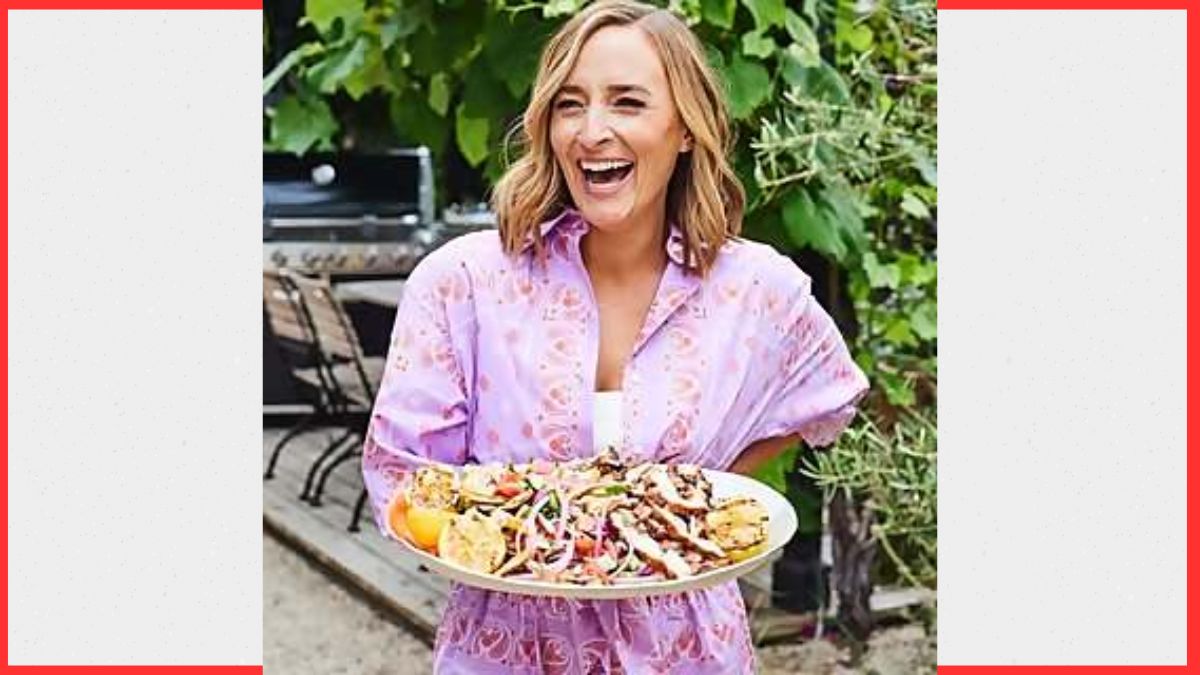
Gaby Dalkin, the creator behind the popular brand “What’s Gaby Cooking,” has established herself as a recognized U.S.-based food influencer and cookbook author. Her business model reflects how modern digital food creators diversify income across content, publishing, and consumer products. Rather than relying on a single platform, Dalkin has built a layered revenue ecosystem centered on recipes, audience engagement, and food-focused lifestyle branding.
Primary Revenue Stream: Cookbook Publishing and Book Advances
One of Gaby Dalkin’s most established income sources is cookbook publishing. Her titles, including What’s Gaby Cooking and Eat What You Want, were released through major U.S. publishing houses such as Abrams. In the traditional publishing model, cookbook authors typically earn an advance payment followed by royalties based on sales performance.
Given the national distribution of her books across retailers like Amazon, Barnes & Noble, and independent bookstores, cookbook sales represent a scalable and long-term income stream. In the U.S. food media industry, successful cookbook authors often use books as both revenue drivers and credibility builders, and Dalkin follows this proven model.
Digital Monetization: Blog Traffic and Advertising Revenue
Her website, “What’s Gaby Cooking,” operates as a high-traffic recipe platform. Food blogs in the U.S. commonly monetize through display advertising networks such as Google AdSense or premium ad partnerships managed by media agencies. Revenue is typically driven by page views, time-on-site, and seasonal recipe demand (such as holiday cooking spikes).
Dalkin’s content strategy—focused on approachable California-inspired recipes—supports consistent search engine traffic. This SEO-driven visibility allows her platform to generate ongoing ad impressions, which form a steady digital revenue stream.
Brand Partnerships and Sponsored Content Deals
A significant portion of income for top-tier food influencers like Dalkin comes from brand collaborations. These partnerships involve sponsored recipe development, social media campaigns, and integrated product placements across Instagram, YouTube, and her blog.
In the U.S. influencer economy, food creators frequently collaborate with grocery brands, kitchenware companies, and packaged food manufacturers. These deals are typically structured as fixed campaign fees or multi-post contracts, depending on audience reach and engagement metrics.
Product Expansion: Merchandising and Culinary Products
Beyond digital content, Dalkin has expanded into consumer-facing products, including branded kitchen goods and food-related merchandise sold through her platform. This type of direct-to-consumer (DTC) strategy allows influencers to retain higher margins compared to third-party retail distribution.
Such product extensions are a growing trend in the U.S. creator economy, where influencers convert audience trust into tangible goods like cookware, apparel, or pantry staples.
Conclusion: A Diversified Creator Economy Model
Gaby Dalkin’s income structure reflects a modern U.S. food influencer blueprint—diversified, scalable, and multi-platform. By combining cookbook publishing, advertising revenue, brand partnerships, and product expansion, she has built a resilient business model that extends far beyond social media content alone.
Her success highlights how food creators in the U.S. are increasingly operating as full-scale entrepreneurs rather than traditional bloggers, leveraging audience engagement into long-term commercial ecosystems.