

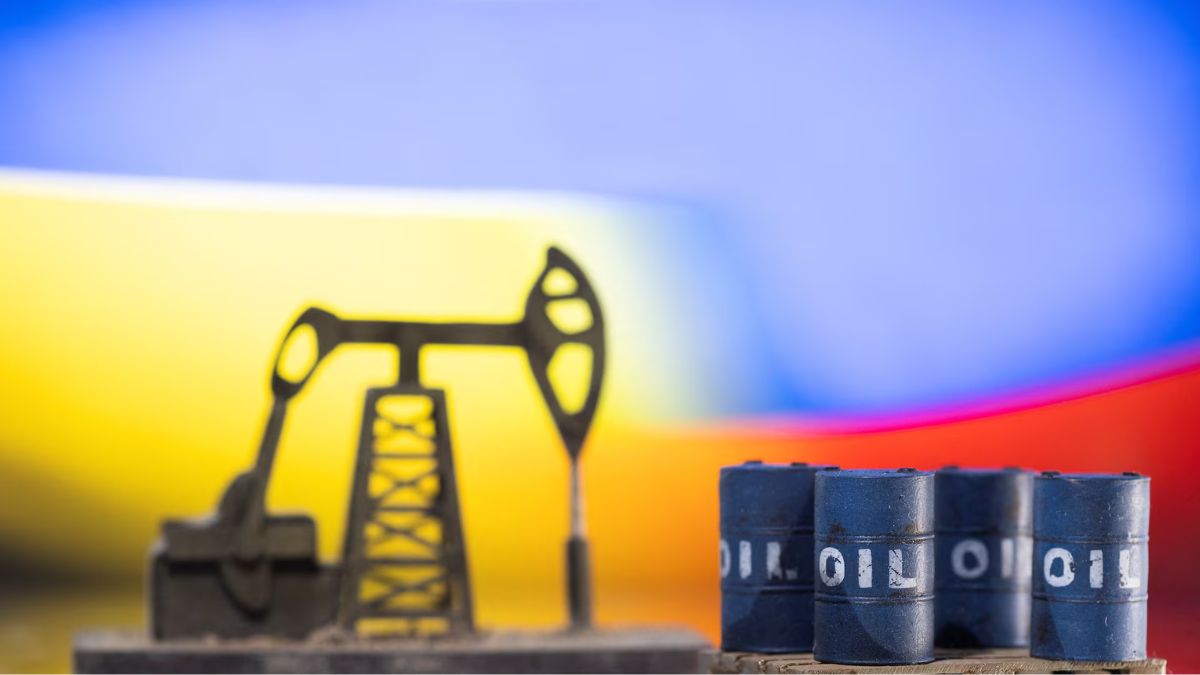
Energy trade has a strong influence on diplomatic relations because energy is not just a commodity, it is something countries depend on every single day for transportation, industry, and basic economic stability. When countries trade energy with each other, it creates long term interdependence, and that naturally shapes how they interact politically.
One of the most important effects is stability in relationships. When a country relies on another for oil, gas, or electricity imports, it tends to maintain friendly and cooperative diplomatic ties to ensure uninterrupted supply. This can lead to stronger bilateral agreements, regular political dialogue, and long term partnerships that go beyond just trade.
Energy trade also gives producing countries diplomatic leverage. Exporters of oil and gas can influence negotiations by adjusting supply levels, pricing terms, or contract conditions. This does not always mean direct pressure, but it gives them a stronger voice in international discussions because many importing countries depend on them.
On the other side, importing countries often try to reduce risk by diversifying suppliers. This leads to broader diplomatic engagement with multiple regions, as countries seek energy security. They may build alliances, sign trade agreements, or invest in infrastructure projects in energy-rich regions to secure long term access.
Energy trade also plays a role during political tensions. Even when countries have disagreements, they often avoid extreme diplomatic actions if they depend on each other for energy. This creates a kind of balancing effect where economic necessity can soften political conflicts or slow down escalation.
Another important aspect is global cooperation. Energy trade encourages participation in international organizations and agreements focused on market stability and supply security. Institutions like International Energy Agency help countries coordinate responses during supply disruptions and promote shared standards, which indirectly strengthens diplomatic communication.
However, energy dependence can also create friction. If a supplier country is seen as using energy exports for political pressure, importing countries may respond by seeking alternatives or forming new alliances. Over time, this can reshape global diplomatic networks and reduce reliance on specific partners.
In simple terms, energy trade connects countries in a way that goes beyond business. It builds cooperation when supply is stable, creates leverage when one side is dominant, and pushes nations to maintain diplomatic relationships that protect their energy security.