
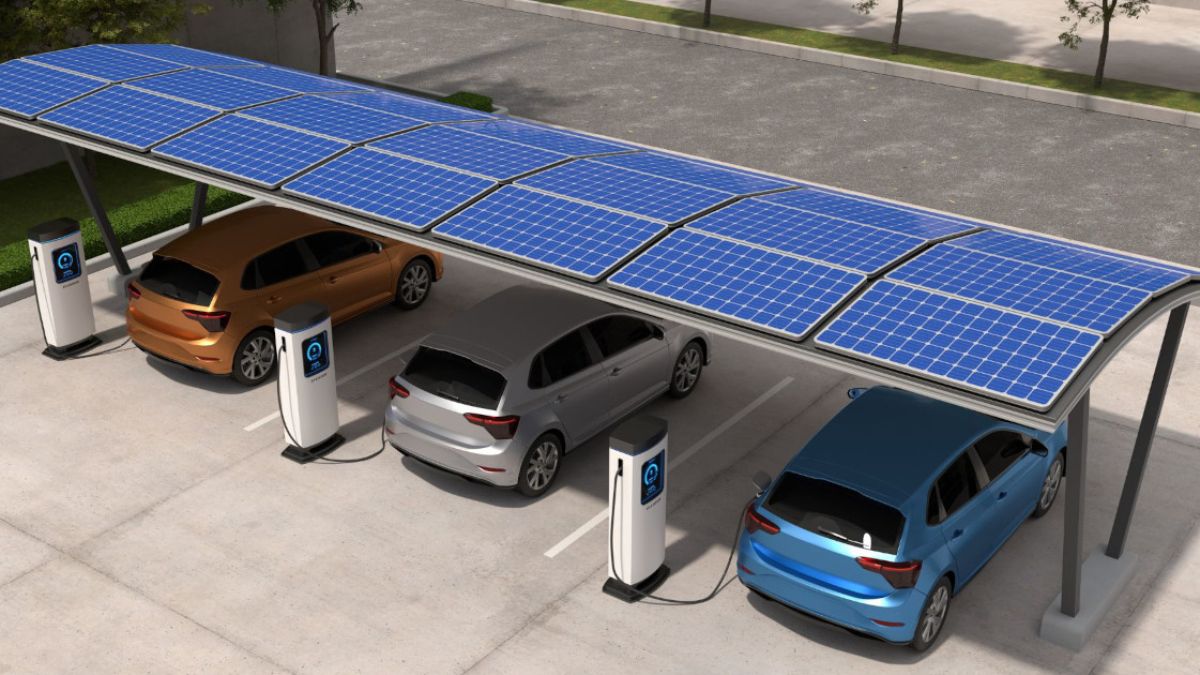
The electric vehicle (EV) market in the United States has moved from niche interest to mainstream momentum. Across motorways, suburban streets, and city centres, more drivers are turning to battery-powered cars as a practical alternative to petrol and diesel. This shift is influenced by technological advances, environmental awareness, and a growing network of charging options. For those considering their first EV purchase, understanding the benefits, costs, and day-to-day experience is essential.
Why electric vehicles are appealing to modern drivers
Environmental benefits are a strong motivation. EVs produce zero tailpipe emissions, supporting efforts to reduce air pollution and carbon output. For buyers who prioritise sustainability, an electric car aligns with personal values while still providing comfort and performance.
The driving experience is another major draw. Electric motors deliver instant torque, providing smooth and immediate acceleration. Many EVs feature quieter cabins, minimal vibration, and modern technology platforms. Features such as regenerative braking, advanced driver assist systems, and digital dashboards add to the appeal.
Understanding range and charging options
Range remains one of the most discussed aspects of EV ownership. Modern models offer a wide spectrum, with compact urban cars typically providing lower ranges and premium models extending well over 300 miles on a single charge. For most daily commutes, even vehicles with modest range are more than sufficient, often requiring only occasional charging.
Charging can be done in several ways. Home charging is the most convenient for many owners, using either a standard outlet or a dedicated charging unit. Public charging stations continue to expand nationwide, particularly in shopping centres, business districts, and along major highways. Fast-charging stations significantly reduce charging times, allowing drivers to recharge during short breaks.
Considering long-term ownership costs
While electric vehicles can sometimes have higher upfront prices, many buyers find cost advantages over time. Electricity is generally less expensive than petrol, and EVs have fewer moving parts, reducing maintenance needs. There is no need for oil changes, and brake wear tends to be lower due to regenerative systems. Battery warranties offered by most manufacturers provide additional peace of mind, often covering eight to ten years or a set mileage threshold.
Insurance premiums vary depending on the model, but many insurers are introducing competitive plans as EVs become more widespread. Buyers should also explore available government incentives or tax credits, which may help offset purchase costs depending on the model and location.
Practical lifestyle considerations for first-time EV buyers
Before committing to an EV, potential owners should think about their driving patterns. Those who travel mainly within city limits or shorter distances often find electric models ideal. For drivers who frequently take road trips, choosing a vehicle with longer range or using route planners with charging integration can ensure smooth travel.
Home charging setup is another important step. Planning where and how to charge can influence daily routines, especially for households with multiple vehicles. Some buyers choose to combine an EV with a hybrid or petrol car to create flexibility for long journeys.
A market moving toward a cleaner future
Electric vehicles represent a growing part of the American automotive landscape, supported by innovation, infrastructure growth, and shifting consumer preferences. For buyers, the move to electric is not merely a technological upgrade—it is a lifestyle choice that prioritises sustainability, efficiency, and convenience. As the market continues to expand, drivers have more opportunities than ever to find an EV that suits their needs and reflects their values.
