
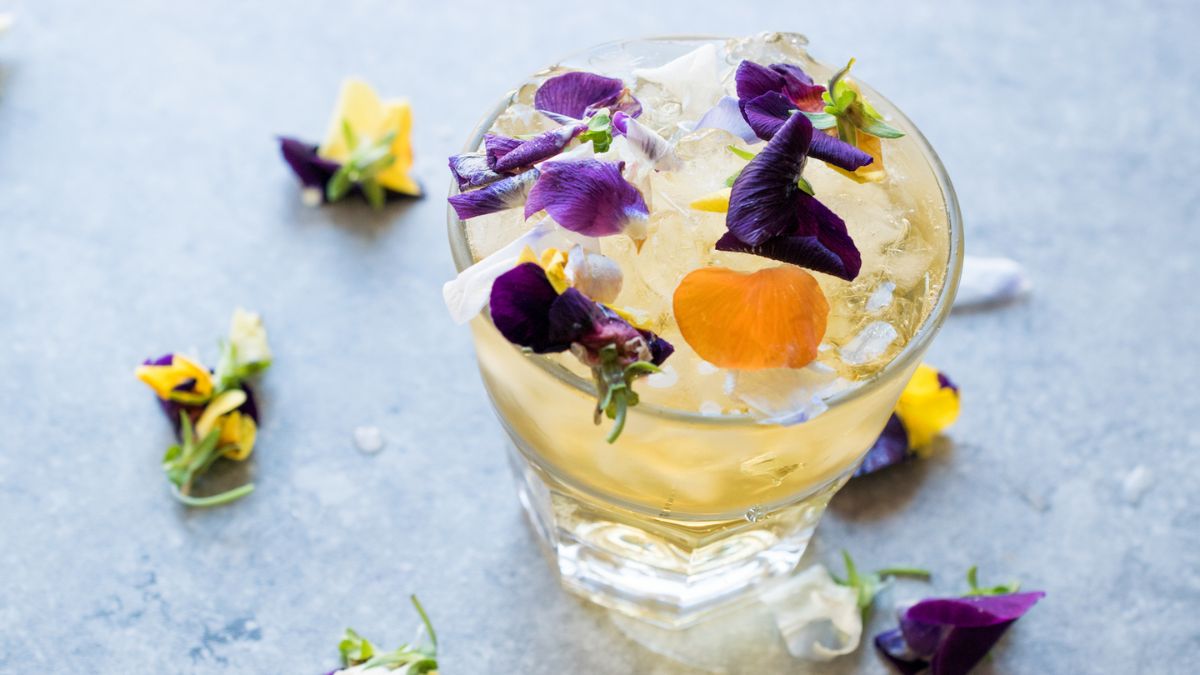
Edible flower cocktails are reshaping the mixology scene by bringing creativity, aesthetics, and flavor innovation to the forefront of modern bartending. These cocktails combine visual beauty with nuanced tastes, encouraging bartenders to experiment with floral infusions, syrups, and garnishes in ways that go beyond traditional recipes.
The use of edible flowers allows mixologists to play with color, aroma, and texture. Flowers like lavender, hibiscus, rose, and chamomile not only enhance flavor but also provide a visual element that turns drinks into art. This focus on presentation has made cocktails more interactive and Instagram-friendly, appealing to a generation that values both taste and visual experience.
Floral ingredients also encourage experimentation with flavor layering. Hibiscus adds tartness, lavender introduces herbal sweetness, and rose petals contribute delicate floral notes. Mixologists are combining these with spirits like gin, vodka, tequila, and sparkling wine to create balanced, sophisticated drinks that surprise the palate.
Beyond aesthetics and taste, edible flower cocktails reflect a growing interest in natural, artisanal ingredients. Consumers are increasingly seeking cocktails made with fresh, sustainable components rather than overly processed mixers. This trend has pushed bartenders to innovate and explore farm-to-glass concepts, including homemade floral syrups and infusions.
Overall, edible flower cocktails are changing mixology by blending artistry, flavor, and wellness. They challenge traditional notions of what a cocktail can be, encouraging creativity, sophistication, and sensory enjoyment, and making the drinking experience as much about beauty and aroma as it is about taste.
