
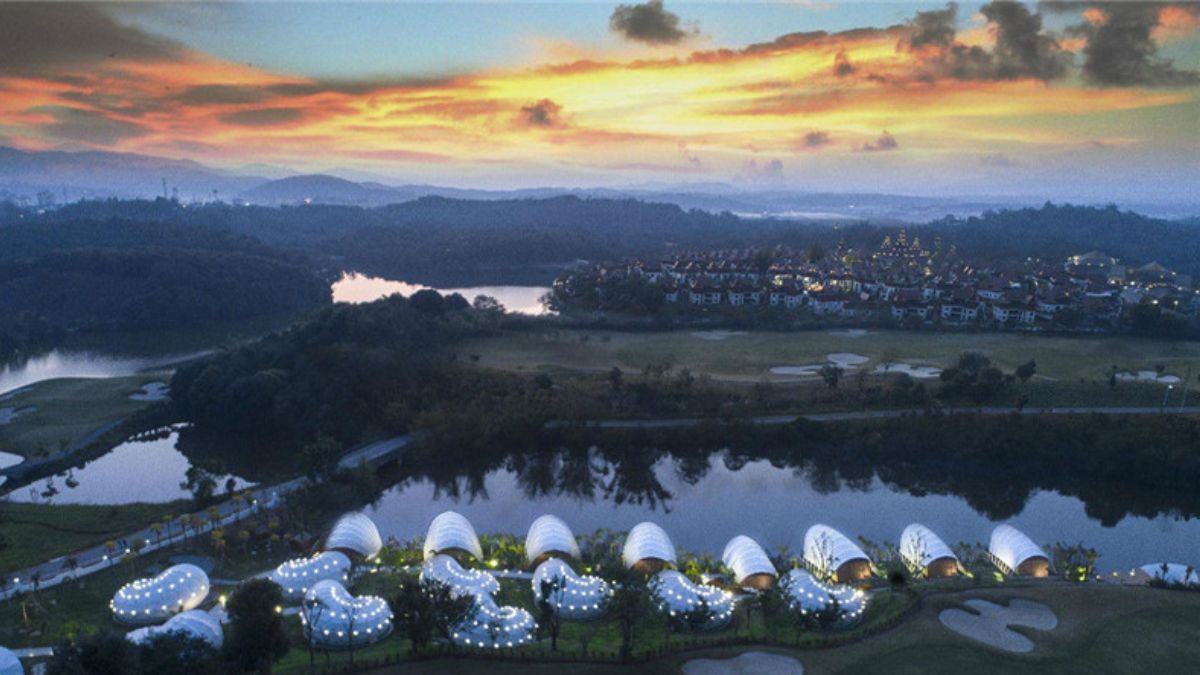
Eco-resort glamping is more than a way to enjoy nature in comfort; it is also a way to travel responsibly. These resorts are designed to minimize their impact on the environment while helping local communities thrive, making them a key part of sustainable travel.
One way eco-resort glamping supports sustainability is through careful design and construction. Tents, domes, treehouses, and cabins are often made from natural, recycled, or locally sourced materials. They are placed in ways that avoid disturbing trees, wildlife, and natural landscapes. Many resorts also use renewable energy like solar power, rainwater collection, and composting toilets to reduce resource consumption.
Food and sourcing are another important part of eco-friendly glamping. Resorts often use local ingredients, organic produce, and seasonal foods, which reduces transportation emissions and supports nearby farmers. Some resorts even offer guests experiences like organic gardening or farm-to-table cooking to create a deeper connection with sustainable practices.
Eco-resort glamping also emphasizes protecting wildlife and natural habitats. Resorts often exist in areas where human impact is carefully managed. Activities like guided hikes, wildlife observation, and cultural tours are designed to educate guests while keeping ecosystems safe and undisturbed.
Waste reduction and responsible consumption are also central. Many resorts avoid single-use plastics, encourage recycling, and teach guests ways to leave minimal footprints during their stay. This makes the experience both comfortable and mindful.
By combining comfort, education, and environmental responsibility, eco-resort glamping allows travelers to enjoy nature without harming it. It provides a model for sustainable tourism, showing that people can explore the world, support local communities, and protect the planet all at the same time.
