

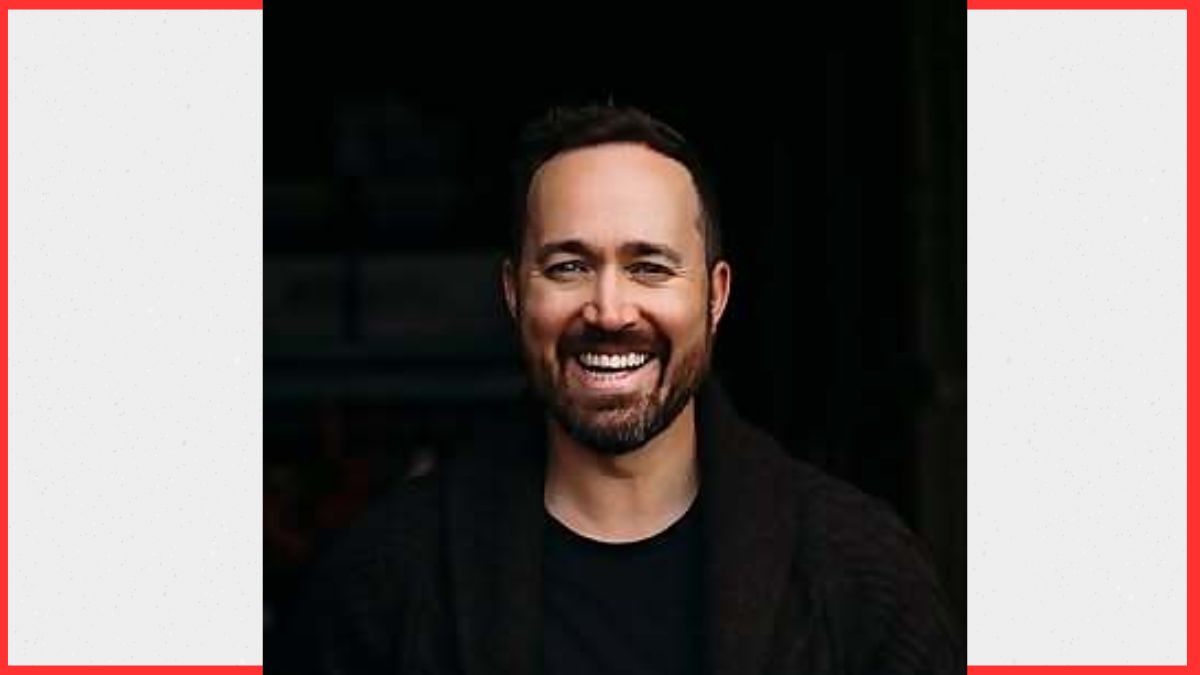
Dennis Prescott is a Canadian-born, U.S.-based food influencer, photographer, and cookbook author who has built a recognizable brand across digital platforms and traditional publishing. In the modern creator economy, his business model is a strong example of how food content can be monetized through diversified revenue streams rather than relying on a single platform or income source.
Core Revenue Stream: Brand Partnerships and Sponsored Content
Instagram and Digital Campaign Collaborations
A significant portion of Prescott’s income comes from sponsored content and brand partnerships on platforms such as Instagram. With a large following in the food and lifestyle niche, he collaborates with food brands, kitchenware companies, and culinary product manufacturers. These partnerships typically involve paid campaigns where he creates original recipes or visual content featuring a product.
In the U.S. influencer economy, creators with established engagement rates in the food category can earn sponsorship fees based on campaign scope, content deliverables, and audience reach. Prescott’s visually rich food photography makes him particularly valuable for premium lifestyle and culinary brands.
Cookbook Publishing: Long-Term Passive Income Asset
Cookbooks as Scalable Intellectual Property
Dennis Prescott has authored cookbooks that serve as a major long-term income stream. Cookbook publishing in the U.S. food industry typically generates revenue through:
- Advance payments from publishers
- Royalty earnings on book sales
- International licensing rights
Unlike digital content, cookbooks function as evergreen assets. Once published, they continue to generate royalties over time, especially when supported by strong personal branding and ongoing social media visibility.
Digital Platforms: Instagram, YouTube, and Audience Monetization
Content Monetization Through Engagement
While Instagram does not always provide direct ad revenue for all creators, Prescott leverages it for audience growth and traffic conversion. Food influencers often use their platforms to direct followers to book purchases, brand collaborations, and external content.
If active on YouTube or similar video platforms, monetization can include ad revenue sharing through watch-based earnings, though for most food creators, this typically represents a secondary income source compared to sponsorships.
Brand Extensions and Product Collaborations
Strategic Licensing and Culinary Partnerships
Another income avenue in the U.S. influencer ecosystem is product collaboration. Food influencers like Prescott may partner with kitchen brands or food companies to develop co-branded products, limited-edition tools, or recipe-driven campaigns. These collaborations are structured as licensing deals or flat-fee creative partnerships.
Such arrangements extend brand visibility beyond social media and allow influencers to participate in retail-driven revenue models.
Conclusion: A Diversified Creator Economy Model
Dennis Prescott’s income structure reflects a modern U.S.-centric food influencer business model built on diversification. Rather than relying on a single platform, his earnings are distributed across sponsored content, publishing royalties, digital audience engagement, and brand collaborations. This multi-channel approach ensures both financial stability and long-term brand growth in a highly competitive digital food media landscape.