
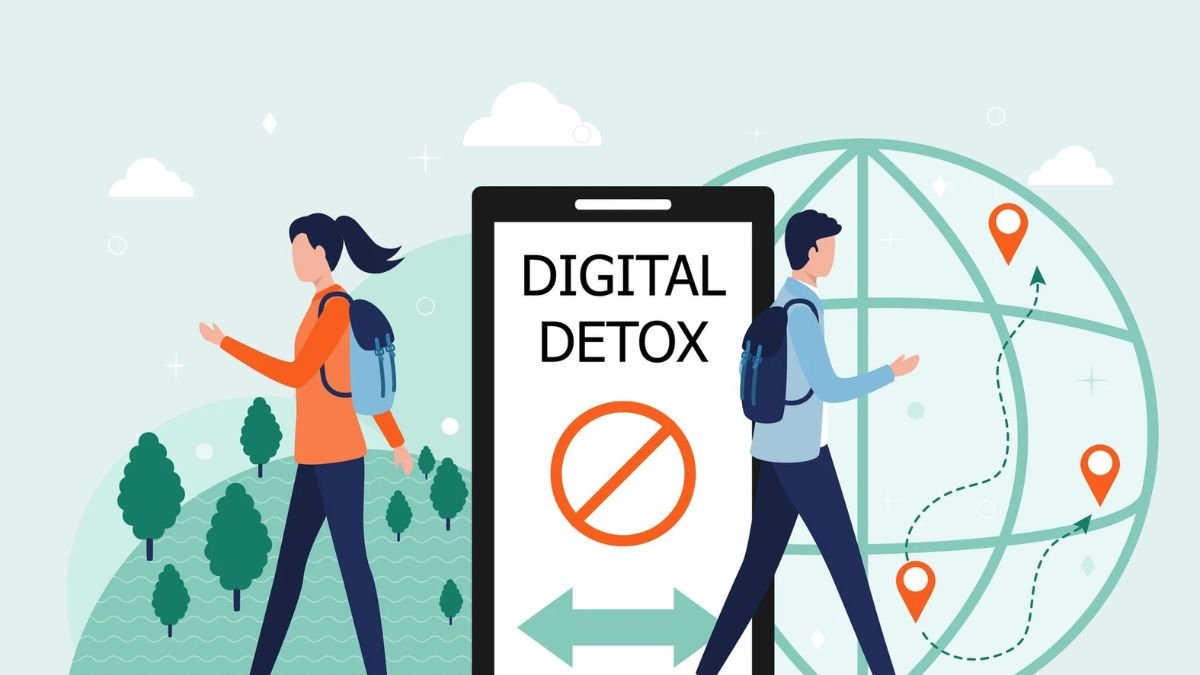
Reducing screen time can have a surprisingly profound effect on mental health, even when it feels like our devices are indispensable. Constant exposure to social media, news alerts, and endless notifications can overload the brain, creating a state of persistent stress and anxiety. By intentionally cutting down on screen usage, the mind gets the space it needs to reset, allowing emotions to stabilize and stress levels to decrease. Without the constant digital stimulation, people often notice improved focus, clearer thinking, and a greater sense of calm, as the brain no longer has to process multiple streams of information simultaneously.
Limiting screen time also encourages a healthier relationship with sleep, which is closely linked to mental well-being. Scrolling through phones or working late on laptops can disrupt natural sleep patterns, reducing both the quantity and quality of rest. When screens are turned off earlier, the body has a chance to follow its natural circadian rhythm, making it easier to fall asleep, stay asleep, and wake up refreshed. This improvement in sleep quality directly supports mood regulation, emotional resilience, and cognitive function, reducing irritability and enhancing overall mental clarity.
Another important benefit comes from the reduction of social comparison and digital overstimulation. Social media, in particular, often leads to feelings of inadequacy or loneliness as people compare their lives to carefully curated highlights of others. Cutting back on time spent online provides an opportunity to engage with real-world experiences, cultivate meaningful relationships, and focus on personal growth rather than constant validation. Many people report feeling more grounded, present, and emotionally balanced after stepping away from screens, noticing that they can enjoy simple moments without distraction.
Physical health also plays a role in mental well-being when screen time is reduced. Less time in front of screens often translates to more movement, whether it’s stretching, walking, or engaging in hobbies that require active participation. These activities release endorphins, lower stress hormones, and improve mood, creating a feedback loop where the mind and body both feel healthier. Over time, cutting screen time can lead to a noticeable reduction in anxiety, depression symptoms, and mental fatigue, replacing the constant digital noise with a sense of clarity, focus, and emotional equilibrium.
