

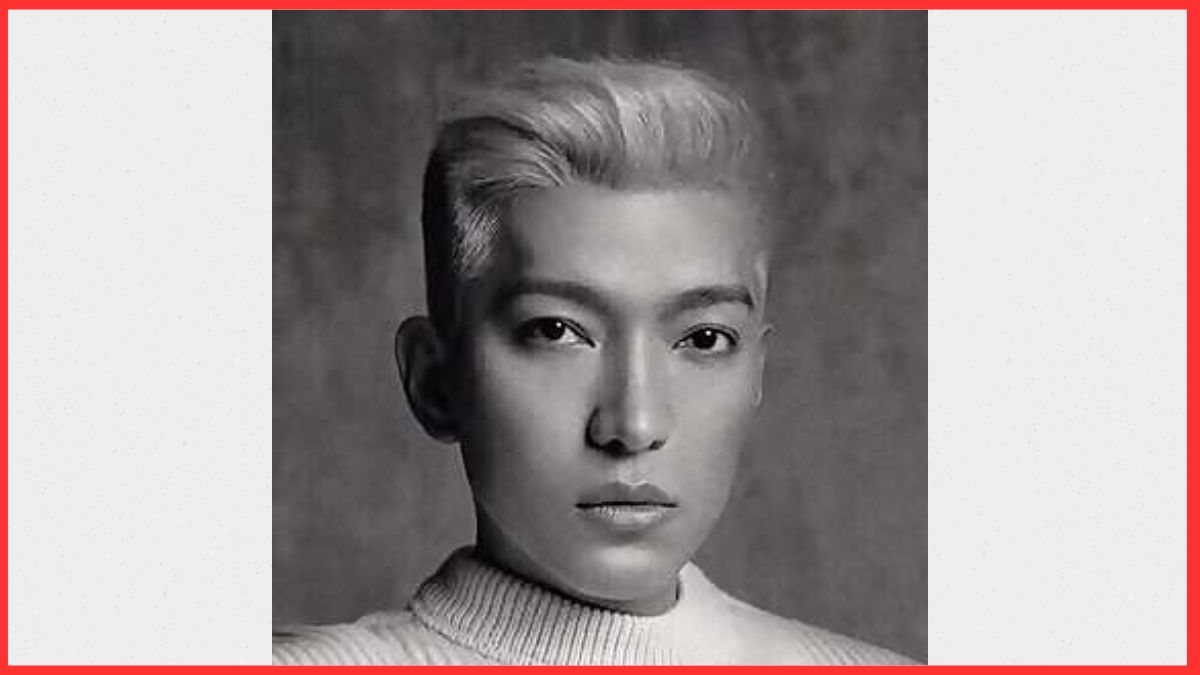
Bryan Yambao—widely recognized in the fashion industry as Bryanboy—has built a highly structured and multi-channel income model rooted in digital influence, brand partnerships, and fashion media authority. As one of the earliest fashion bloggers to achieve global prominence, his monetization strategy reflects a mature creator economy framework that aligns closely with U.S.-based influencer marketing standards.
Unlike emerging influencers who rely heavily on a single platform, Yambao’s business model is diversified across Instagram, fashion media collaborations, and long-term brand consulting roles. This diversification reduces dependency risk and creates stable, recurring revenue streams.
Core Revenue Streams Powering Bryan Yambao’s Income
1. Sponsored Brand Partnerships and Campaigns
A primary source of income for Bryan Yambao comes from high-value brand partnerships with global luxury fashion houses. These collaborations typically include sponsored posts, campaign appearances, and event representation.
Luxury brands such as Prada, Fendi, and Dolce & Gabbana have historically worked with top-tier influencers like Yambao to reach digitally engaged audiences. In the U.S. influencer market, macro-influencers in the luxury niche can command between $10,000 to $50,000 per sponsored Instagram post, depending on engagement rates and exclusivity clauses.
Yambao’s positioning within the high-fashion ecosystem allows him to operate at the upper end of this pricing spectrum, particularly for multi-post campaigns or fashion week integrations.
2. Fashion Week Contracts and Media Appearances
Another measurable income stream comes from paid participation in international fashion weeks, including New York, Paris, and Milan. Brands and event organizers often cover travel, accommodation, and appearance fees for influential figures who generate media visibility.
In the U.S. market, influencer appearance fees at major fashion events can range from $5,000 to $20,000 per event, particularly when tied to brand representation or front-row visibility agreements.
Yambao’s long-standing presence in these circuits positions him as a recurring media asset rather than a one-time collaborator.
3. Social Media Monetization and Platform Leverage
Instagram remains Yambao’s primary monetization platform. With a follower base in the hundreds of thousands, his account functions as a high-value advertising channel for luxury brands targeting global and U.S.-based consumers.
Revenue is generated not only through direct sponsorships but also through content licensing, repost agreements, and amplification campaigns. These structured deals often include usage rights, which can significantly increase total campaign value beyond a single post fee.
4. Brand Consulting and Creative Direction
Beyond content creation, Bryan Yambao has evolved into a strategic partner for fashion brands. His consulting work includes advising on digital storytelling, influencer campaign strategy, and audience positioning.
In the U.S. luxury marketing ecosystem, consulting retainers for experienced influencers can range from $3,000 to $15,000 per month depending on scope. This type of income is particularly valuable as it provides predictable, contract-based revenue.
Strategic Positioning in the U.S. Creator Economy
Bryan Yambao’s business model aligns closely with the evolution of the U.S. influencer economy, where creators are no longer just content producers but integrated marketing partners. His revenue structure combines high-margin sponsored content, event-based earnings, and advisory roles—creating a balanced portfolio similar to top-tier U.S. fashion influencers.
Why Bryan Yambao’s Model Works
The key to Yambao’s sustained income generation lies in three factors: early-mover advantage in fashion blogging, strong brand alignment with luxury houses, and the ability to transition from influencer to industry consultant.
This hybrid model—content creator plus strategic advisor—represents one of the most sustainable monetization frameworks in today’s global influencer economy, particularly within the premium U.S. market segment.