

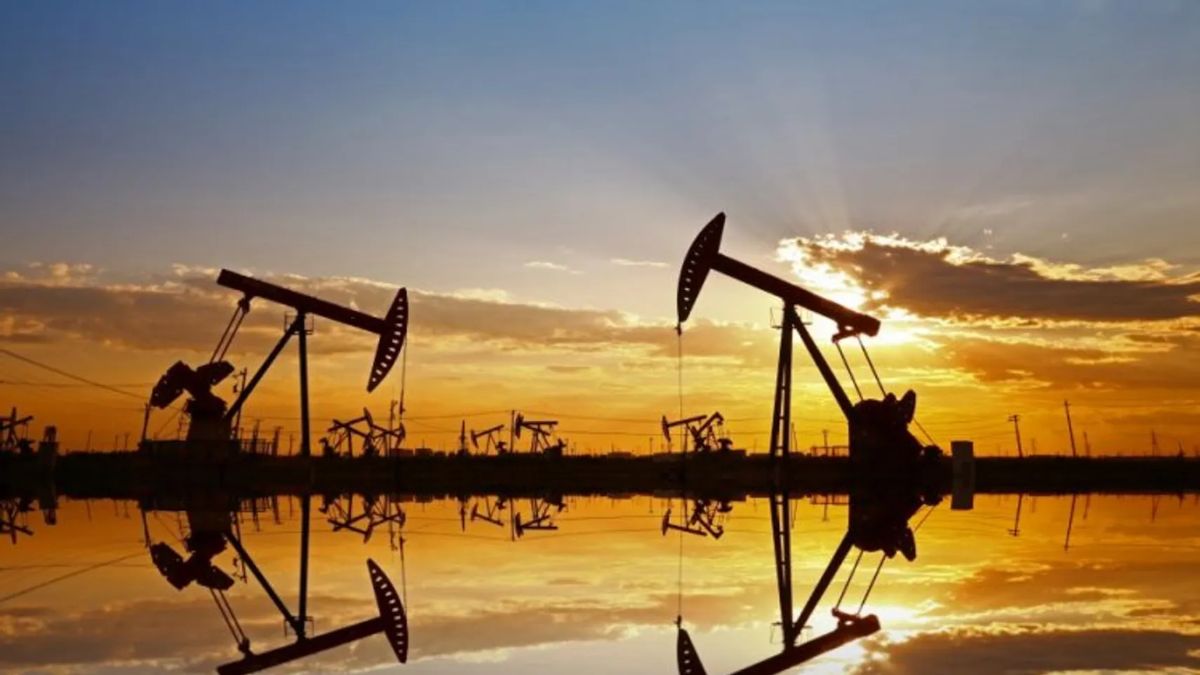
Brent crude production is monitored and regulated through a combination of government oversight, industry reporting systems, and international cooperation. Since Brent crude is not produced from a single field anymore but is a blend of several North Sea oil fields, its monitoring is closely tied to how these individual fields are managed.
The primary responsibility for regulating production lies with the governments of countries that produce Brent-related oil, mainly the United Kingdom and Norway. These governments issue licenses to oil companies that allow them to explore and extract oil. The companies must follow strict rules on how much they can produce, safety standards, environmental protection, and reporting requirements. This ensures that production does not harm the environment or exceed sustainable limits.
Production is also closely tracked by national energy agencies. In the United Kingdom, for example, the North Sea Transition Authority oversees oil and gas operations. It collects detailed data from companies about production volumes, well performance, and field activity. Similar regulatory bodies exist in Norway. These agencies ensure that companies are operating within approved limits and following legal guidelines.
On an international level, Brent crude is influenced indirectly by organizations like OPEC+, even though Brent itself is produced outside OPEC. Decisions made by major oil-producing countries in these groups can affect global supply levels, which in turn influence Brent pricing and production decisions in the North Sea. Companies adjust their output based on global market conditions and price signals.
Oil companies themselves also play a major role in monitoring production. They use advanced technology to measure output from each well in real time. Sensors, flow meters, and digital systems track how much oil is being extracted, processed, and transported. This data is reported regularly to regulators to ensure transparency and compliance.
Environmental regulations are another key part of monitoring. Offshore drilling in the North Sea is subject to strict environmental rules to prevent oil spills, protect marine life, and reduce carbon emissions. Companies must conduct environmental impact assessments before starting new projects and are required to follow safety protocols throughout production.
Market surveillance also contributes indirectly to regulation. Because Brent crude is a global benchmark, trading organizations and financial regulators monitor its pricing closely to prevent manipulation and ensure fair market behavior. Any unusual activity in trading or supply reporting is investigated.
In simple terms, Brent crude production is carefully monitored through government regulation, company reporting, real-time tracking technology, and international market oversight. This layered system ensures that production remains safe, transparent, and aligned with global energy needs while protecting both the environment and market stability.