

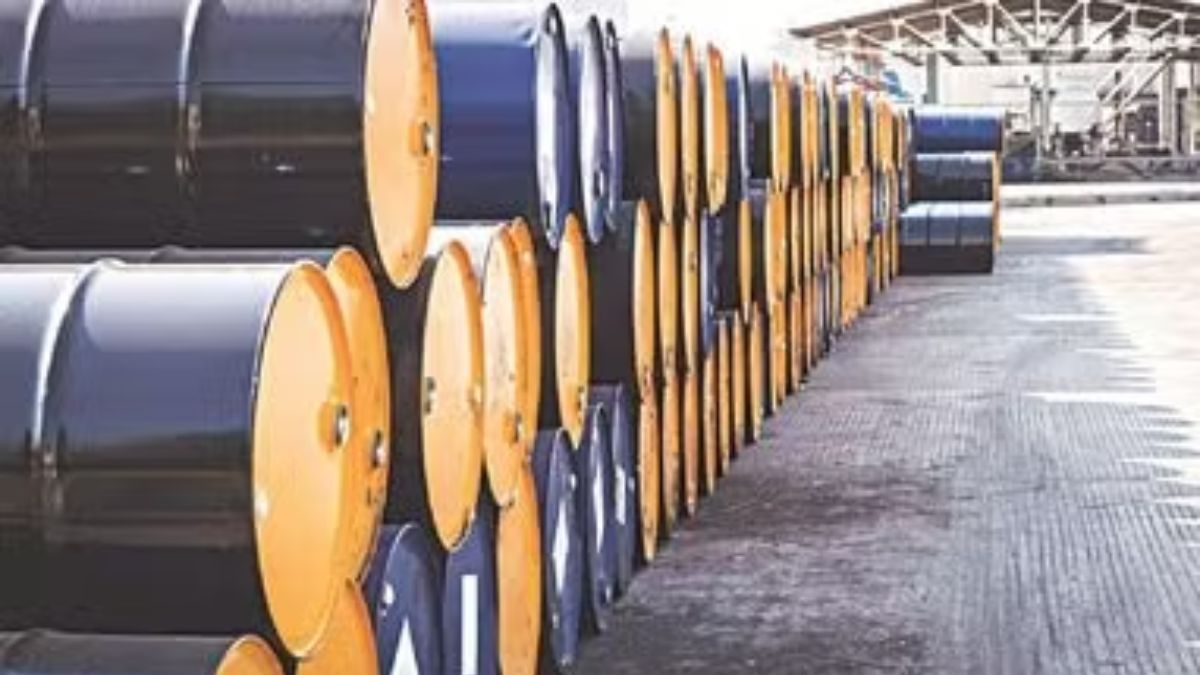
Brent Crude Oil pricing has a direct and powerful impact on consumer fuel prices because it determines the base cost of crude oil, which is the raw material used to produce petrol, diesel, and other fuels.
When Brent prices increase, refineries must pay more for crude oil. This higher cost flows through the entire fuel production system. First, it raises the cost of refining crude oil into usable fuels. Then it increases wholesale fuel prices, which eventually leads to higher prices at petrol pumps and gas stations.
When Brent prices fall, the opposite happens. Refineries pay less for crude oil, which reduces production costs. This can lead to lower petrol and diesel prices for consumers, although they may not always be immediate due to taxes, distribution costs, and existing contracts.
Fuel pricing is also influenced by global supply chains. Since Brent is the main international benchmark, many countries link their fuel import prices directly to it. This means changes in Brent are quickly reflected in domestic fuel markets, even in countries that do not produce Brent crude themselves.
Taxes and government policies also play a role, but they do not remove the influence of Brent. Even when taxes are fixed, the underlying fuel cost still depends on crude oil prices. So Brent remains the core factor that drives overall fuel price trends.
Transportation and logistics costs add another layer. Higher Brent prices increase fuel costs for shipping, trucking, and aviation. These costs are often passed on to consumers through higher prices for goods and services, not just fuel alone.
Market expectations also matter. Traders and fuel suppliers use Brent futures to predict future fuel prices. If Brent is expected to rise, fuel prices at the consumer level may increase in advance due to pricing adjustments in the supply chain.
In simple terms, Brent crude pricing impacts consumer fuel prices because it sets the cost of crude oil globally. Since petrol and diesel are made from crude oil, any change in Brent quickly flows through refineries, supply chains, and retail markets, affecting what consumers pay at the pump.