
Blended family traditions for Christmas
Celebrating Christmas in a blended family can be a joyful experience when traditions are thoughtfully created to include everyone. Blended families—where children, step-parents, and extended relatives come together—benefit from routines and activities that foster inclusion, respect, and harmony. By establishing shared traditions, families can create lasting memories while respecting individual backgrounds and past experiences.
Start with open communication
Effective Christmas celebrations in blended families begin with communication. Discussing expectations, traditions, and preferences ahead of time helps ensure that everyone feels heard. Parents and step-parents can involve children in planning, from choosing decorations to selecting gifts. Establishing an open dialogue reduces misunderstandings and helps create a holiday environment where everyone feels comfortable and valued.
Blend old and new traditions
Blended families often have multiple past traditions from different households. A successful approach is to combine these traditions thoughtfully. For example, one household’s Christmas Eve gift exchange can be paired with another household’s festive movie night. Integrating various traditions allows children and adults to feel connected to their personal histories while building shared experiences as a new family unit.
Create inclusive activities for all ages
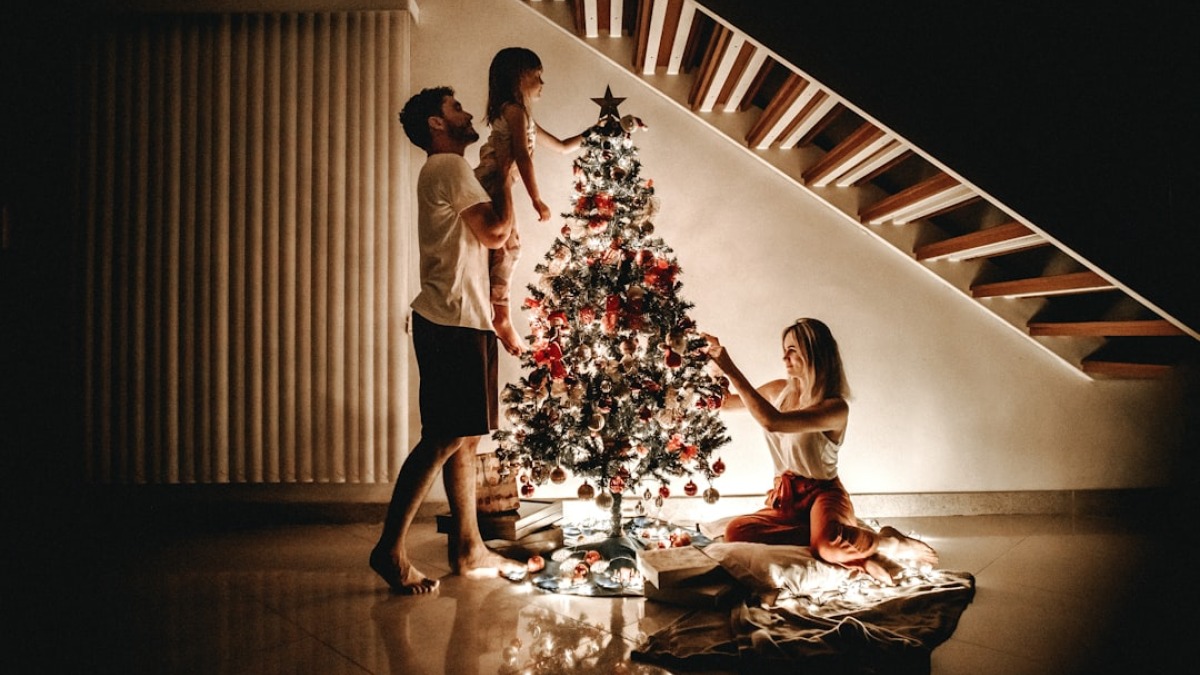
Christmas routines should engage everyone, from young children to adults. Activities such as decorating the tree, baking cookies, crafting personalised ornaments, or playing family games are ideal for blended family participation. Ensuring that each family member has a role or responsibility helps foster a sense of belonging and encourages cooperation during the holiday season.
Celebrate with fairness and consistency
Gift-giving and special attention can be sensitive topics in blended families. Maintaining fairness and consistency is essential. Many blended families implement systems like drawing names for Secret Santa, setting clear gift budgets, or rotating holiday responsibilities. Transparent and equitable approaches ensure that children feel equally valued and prevent feelings of exclusion or rivalry.
Incorporate new family rituals
Blended families can benefit from creating entirely new traditions that belong to the current household. Simple ideas include creating a family Christmas playlist, establishing a yearly photo tradition, or volunteering together at a local charity. These new rituals help strengthen the family bond and create unique memories that are distinct from past experiences.
Focus on togetherness and flexibility
Flexibility is key when celebrating Christmas in a blended family. Families may need to alternate holidays between households or accommodate diverse schedules. Emphasising togetherness rather than perfection helps reduce stress and allows everyone to enjoy the festivities. By prioritising shared experiences over rigid routines, blended families can cultivate a joyful and inclusive holiday atmosphere.
Building lasting memories
With thoughtful planning, blended families can establish Christmas traditions that honour the past while creating new, meaningful memories. Communication, inclusivity, fairness, and shared rituals ensure that every family member—children and adults alike—feels valued. Ultimately, blending traditions allows families to celebrate the season with love, harmony, and joy, making Christmas a memorable occasion for everyone.
