
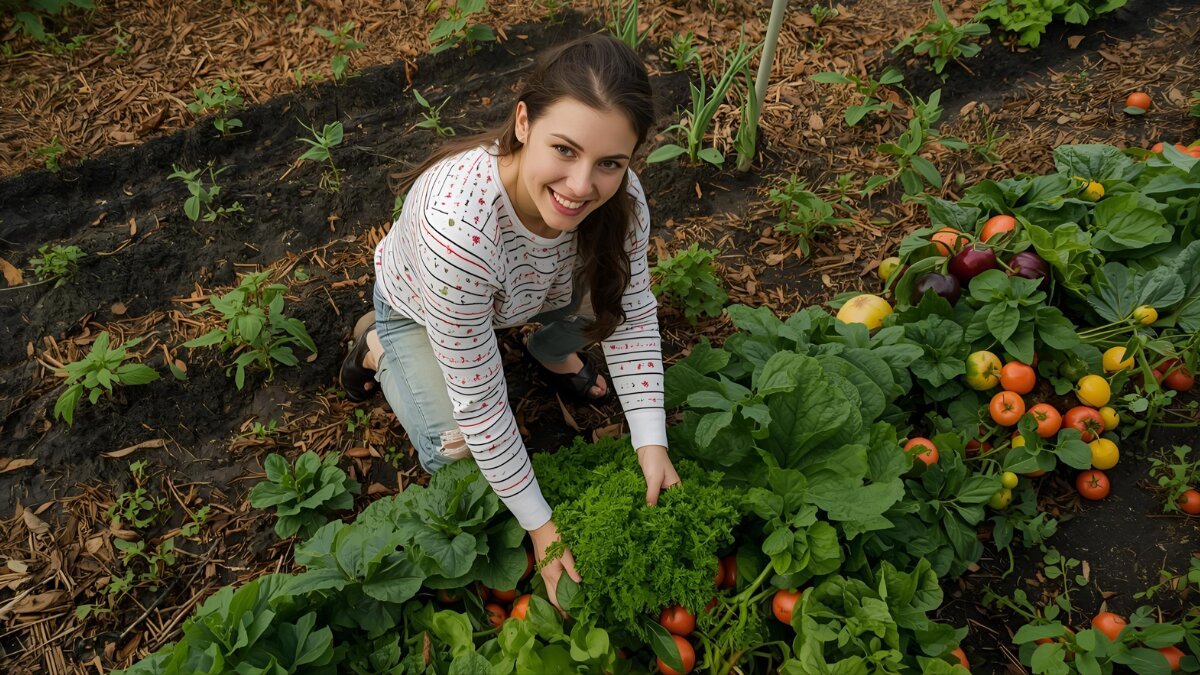
Urban farming has become one of the most promising developments in sustainable living across major American cities. As populations grow and communities look for ways to strengthen food resilience, local agricultural initiatives are transforming rooftops, vacant lots and community spaces into thriving green environments. These farms are not only reshaping city landscapes, but they are also encouraging healthier lifestyles and supporting neighbourhood cooperation. The rise of urban farming reflects a broader movement toward sustainability, resourcefulness and community-led innovation.
Urban farming as a response to local food access
One of the key reasons urban farming is flourishing is its ability to address local food access. Many city residents live in areas where fresh produce is scarce, often referred to as food deserts. Urban farms and community gardens offer an effective solution by producing fruits, vegetables and herbs within walking distance of families and local shops. These initiatives provide residents with affordable, fresh and nutritious food choices that would otherwise be less accessible.
Urban farming also supports food autonomy. Communities become less reliant on large-scale food distributors and long supply chains, which often involve extensive transportation and storage. By growing locally, cities reduce environmental strain, promote healthier consumption and create dependable food networks that benefit households year-round.
Green spaces and environmental benefits in urban areas
Urban farming contributes positively to city environments by increasing green spaces. Rooftop gardens, hydroponic farms and vertical growing systems enhance air quality and reduce heat absorption from concrete and asphalt. These green installations help regulate high summer temperatures, making city centres more comfortable and energy efficient.
Many farms incorporate rainwater collection and composting, demonstrating environmentally responsible practices that residents can emulate at home. Even small installations can reduce pollution and encourage ecological awareness. As more people observe the benefits, urban agriculture inspires a cultural shift toward sustainable living.
Economic growth and opportunities in the urban farming sector
Urban farming has also become an avenue for economic development. Local growers supply farmers’ markets, independent restaurants and community-supported agriculture programmes. Chefs increasingly seek fresh, locally grown ingredients, which creates a steady demand for urban produce. Some farms partner with schools and community groups, offering training programmes that help young adults develop agricultural skills and explore entrepreneurial opportunities.
Additionally, urban farming supports local employment. Jobs in gardening, food distribution and greenhouse management create viable career paths, particularly for residents who may face barriers to traditional employment. Many farms blend education with business, offering workshops and volunteer programmes that strengthen community networks.
Urban farming as a tool for community building
Beyond its environmental and economic benefits, urban agriculture offers meaningful social value. Neighbours collaborate on community gardens, share harvests and learn practical skills together. These shared activities foster a sense of belonging that is often difficult to cultivate in densely populated urban areas.
Public spaces used for urban farming frequently become community hubs. They host events, seasonal celebrations and educational sessions that encourage wellness and connection. Families visit farms not only to access fresh produce but also to spend quality time outdoors, reinforcing the idea that nature and community coexist even in metropolitan settings.
Urban farming in American cities is more than a trend; it is a growing movement that reflects a healthier and more resilient approach to city living. Through local produce, economic opportunity and community involvement, urban agriculture demonstrates how innovation can flourish in unexpected spaces. From rooftop gardens to neighbourhood plots, these green projects show that sustainable food systems and strong communities can thrive in the heart of urban life.
