

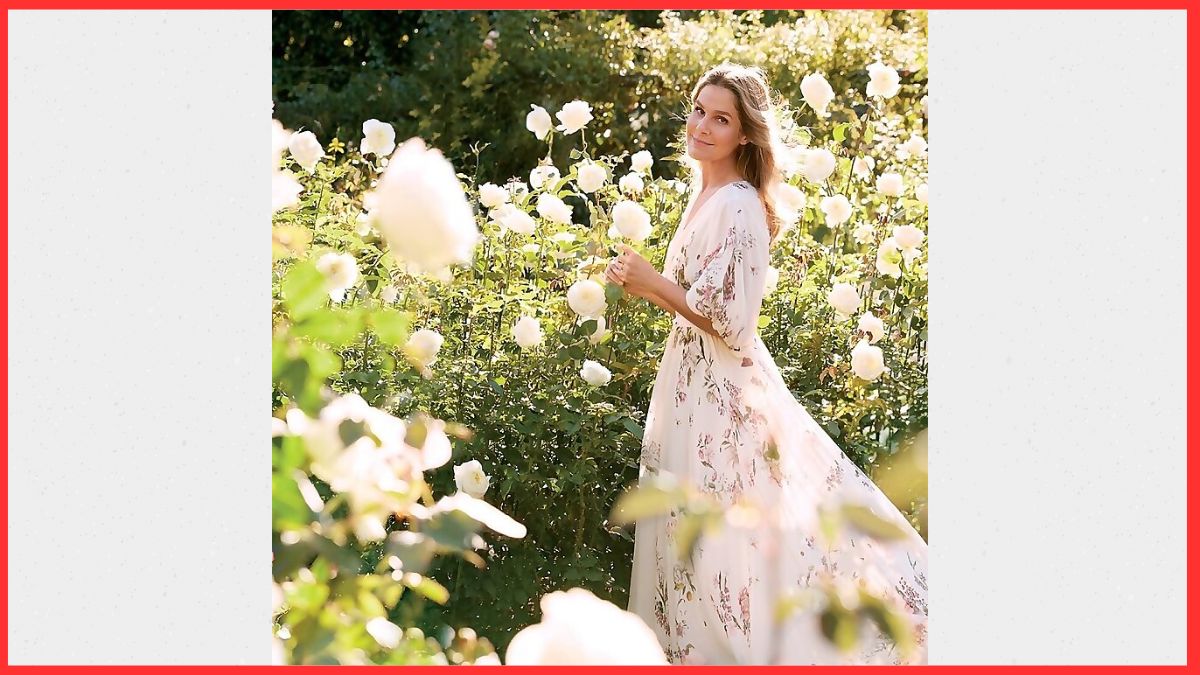
Aerin Lauder has established herself as a formidable force in the American luxury market, transforming heritage influence into a scalable lifestyle brand. As the founder and creative director of AERIN, and a key stakeholder in Estée Lauder Companies, her income streams reflect a sophisticated blend of legacy equity, brand entrepreneurship, and strategic licensing.
Core Income Streams Powering Aerin Lauder’s Wealth
1. Equity and Leadership at Estée Lauder Companies
A significant portion of Aerin Lauder’s income is tied to her role within Estée Lauder Companies, a publicly traded beauty conglomerate listed on the New York Stock Exchange. As a member of the Lauder family, she benefits from dividends and stock performance tied to the company’s multi-billion-dollar valuation. In addition to financial returns, her position as Style and Image Director contributes to high-level brand strategy, reinforcing her influence in the global beauty sector.
2. AERIN: A High-Margin Lifestyle Brand
Launched in 2012, AERIN is the centerpiece of Aerin Lauder’s entrepreneurial portfolio. The brand operates across multiple verticals including fragrance, beauty, home décor, and fashion accessories. Unlike traditional single-category brands, AERIN follows a lifestyle-first business model, allowing it to command premium pricing and expand through curated collections.
Fragrance remains a particularly lucrative category, benefiting from strong margins and repeat consumer purchases. Products are distributed through major U.S. retailers such as department stores and luxury e-commerce platforms, ensuring consistent revenue flow and brand visibility.
3. Licensing and Strategic Partnerships
AERIN’s expansion strategy relies heavily on licensing agreements with established manufacturers. This asset-light approach allows the brand to scale into categories like home furnishings, textiles, and tabletop products without heavy capital investment. By partnering with experienced producers, AERIN earns royalty-based income while maintaining brand control over design and aesthetics.
This licensing model is especially effective in the U.S. luxury retail environment, where distribution networks and manufacturing expertise are critical to scaling efficiently.
4. Retail Distribution and E-Commerce Channels
Aerin Lauder’s business model integrates both brick-and-mortar and digital retail strategies. AERIN products are sold through high-end department stores, specialty boutiques, and online platforms. This omnichannel presence supports diversified revenue streams and reduces dependency on a single sales channel.
Direct-to-consumer e-commerce plays a growing role, offering higher margins by eliminating intermediaries. It also enables the brand to collect customer data, refine product offerings, and increase repeat purchase rates—key drivers of long-term profitability.
5. Brand Equity and Long-Term Value Creation
Beyond immediate revenue, Aerin Lauder’s strategy emphasizes long-term brand equity. By positioning AERIN within the premium lifestyle segment, she leverages aspirational branding to sustain pricing power. This approach aligns with broader U.S. luxury market trends, where storytelling and heritage significantly impact consumer willingness to pay.
The Bottom Line: A Scalable Luxury Business Model
Aerin Lauder’s income is not reliant on a single revenue stream but rather a diversified portfolio combining corporate equity, entrepreneurial ventures, and licensing royalties. Her model exemplifies how modern luxury influencers can evolve into business leaders by building scalable, multi-category brands. In the competitive U.S. market, her strategy stands out for its balance of heritage credibility and contemporary brand execution.