
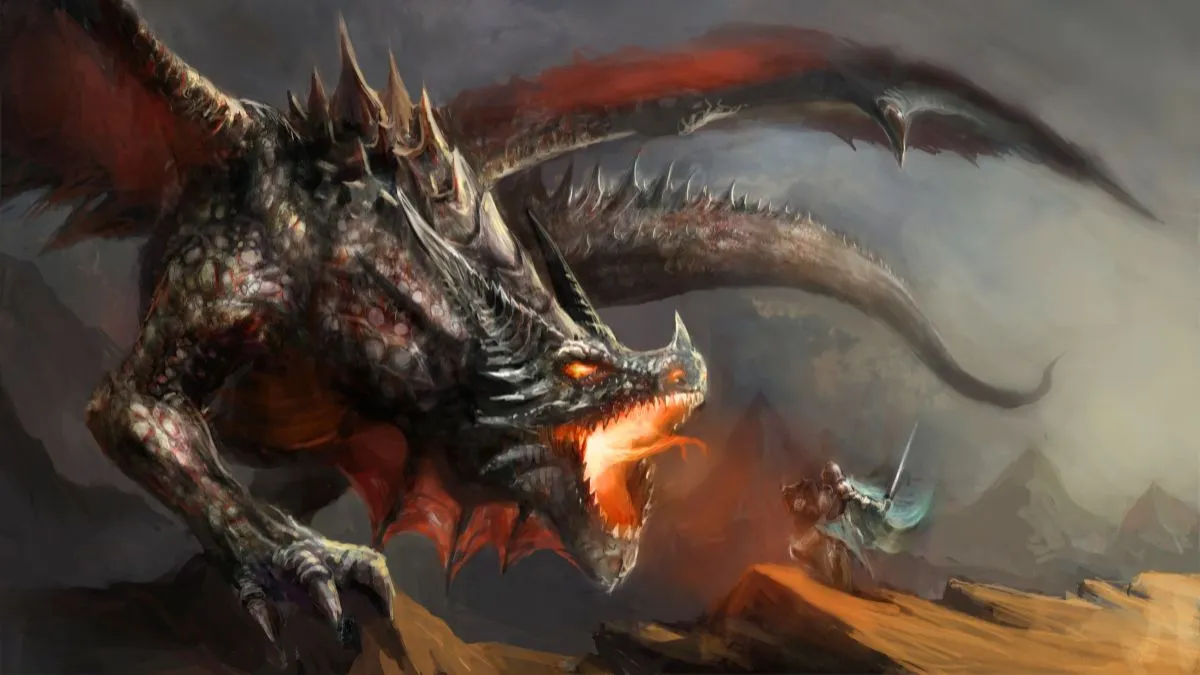
Fantasy enthusiasts, like myself, often trace our love for the genre back to childhood, where captivating stories like The Chronicles of Narnia ignited our imaginations before we journeyed into more intricate realms with epics like Lord of the Rings, The Dragonriders of Pern, and even Shōgun. These tales, among countless others, are more than mere entertainment; they’re integral parts of who we are, shaping our identities and kindling a deep-seated passion for fantastical storytelling.
Fantasy, in its myriad forms, holds a special place in the hearts of readers, viewers, gamers, and lovers of stories alike. From the soaring heights of high fantasy to the gritty realism of low fantasy, there’s a dazzling array of worlds to explore and narratives to uncover. Personally, I have a soft spot for high fantasy, with its intricate political systems and rich lore, but the grounded, relatable aspects of low fantasy are equally captivating.
But what exactly sets high fantasy apart from low fantasy? At its core, the primary distinction lies in the setting. High fantasy transports readers to entirely fictional worlds, devoid of any resemblance to our own, while low fantasy takes place in settings that mirror our reality to varying degrees. For instance, Harry Potter, with its magical elements coexisting alongside our world, falls into the low fantasy category, whereas The Lord of the Rings immerses readers in a wholly fantastical realm.
Beyond setting, other elements help delineate between high and low fantasy. Low fantasy often incorporates fantastical elements into familiar, real-world settings, earning it the moniker of “urban fantasy.” Works like the Dresden Files, Anita Blake: Vampire Hunter series, and the Iron Druid Chronicles thrive in this subgenre, blending magic with modern-day settings like Chicago or New York.
In contrast, high fantasy charts its own course far removed from reality. These tales seldom feature technology akin to our own, eschew real-world locations, and boast expansive magic systems, intricate political landscapes, and diverse races inhabiting their fictional worlds. While some may refer to high fantasy as “epic fantasy,” it’s important to note that urban fantasy can be just as grand in scope.
High fantasy narratives often take on epic proportions, with sprawling sagas like A Song of Ice and Fire, The Kingkiller Chronicles, and Robin Hobb’s Farseer trilogy captivating readers with their dragons, intricate magic systems, and sweeping political intrigue.
Ultimately, whether you’re drawn to the hidden mysteries lurking within our mundane world or yearn to be whisked away to distant lands teeming with magic and adventure, the fantasy genre offers something for every palate. With its boundless creativity and diverse storytelling, fantasy invites us to escape the confines of reality and embark on exhilarating journeys limited only by our imagination.
