
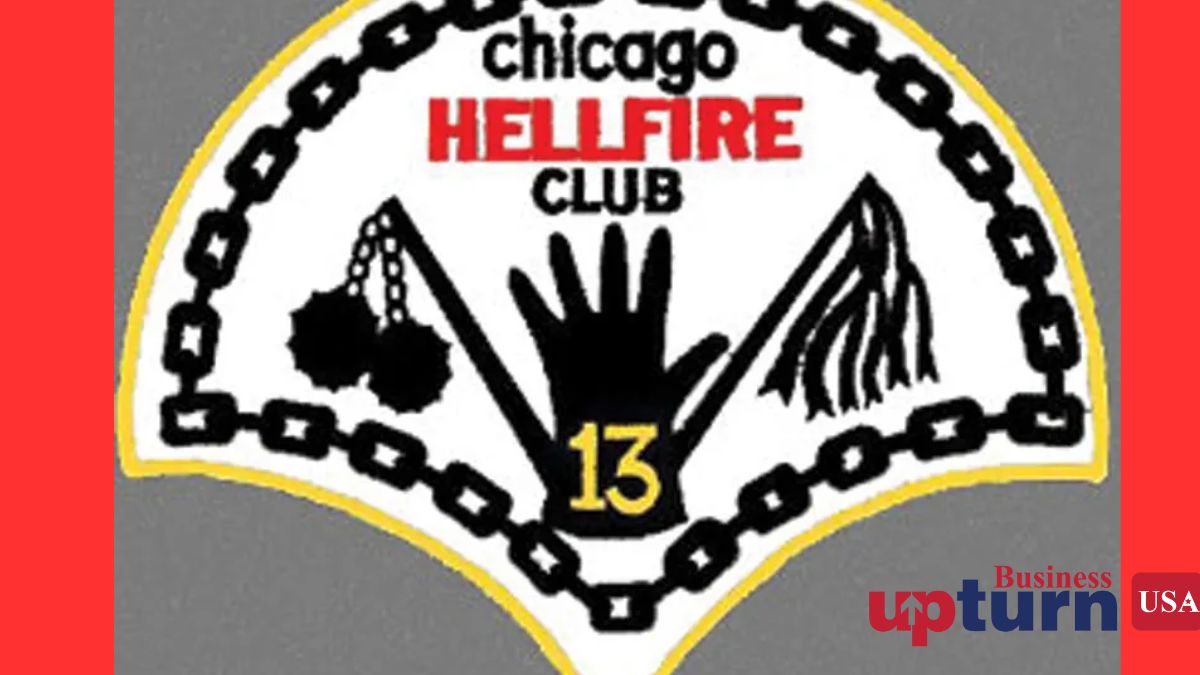
Founded in 1971, the Chicago Hellfire Club (CHC) stands as one of the oldest continuously operating private BDSM and leather fetish organizations in the United States. Emerging from the underground gay leather scene of the post-Stonewall era, CHC formed at a time when sexual freedom was both a radical statement and a form of community solidarity. The organization was created not only as a safe space for gay men interested in BDSM and leather practices but also as a platform for education, consent-based exploration, and communal bonding.
Unlike commercial fetish clubs that rely on public foot traffic or online promotion, CHC was built on a fundamentally different model: private, selective, and community-funded. From its inception, the club has operated without a storefront or a public face. Instead, its physical and operational infrastructure is supported through a rigorous, invite-only membership process that emphasizes trust, alignment with shared values, and ongoing contribution.

How Membership Exclusivity Fuels Sustainability
The CHC business model prioritizes exclusivity over scale. Prospective members undergo an extensive vetting process, which includes sponsorship by existing members, participation in introductory events, and alignment with core values such as informed consent, mutual respect, and commitment to the BDSM lifestyle. This process is more than symbolic; it functions as a quality control mechanism, ensuring that the community remains cohesive, safe, and aligned with its founding principles.
Membership Dues and Financial Stability
While CHC is a non-profit entity, it operates with a financially sustainable model anchored in annual membership dues. These fees support the maintenance of its physical space, the logistics of its major events, and administrative overhead. By maintaining a lean organizational structure, CHC ensures that the majority of member contributions are reinvested into programming and operational continuity.
Events and Experiences That Drive Loyalty and Revenue
One of the CHC’s cornerstone activities is Inferno, an annual week-long retreat held in a secluded location. Inferno has achieved near-legendary status within the leather and BDSM communities, attracting vetted members and select invitees from across the globe. Structured around skill-sharing workshops, curated play parties, and ritualized events, Inferno is not only a cultural hallmark but also a major revenue stream.
Revenue is generated through tiered ticket pricing, event-specific merchandise, and on-site purchases. Yet the financial aspect is only one component. Inferno deepens member loyalty, reinforces CHC’s global reputation, and serves as a pipeline for recruiting future members and contributors.
Monetizing Workshops, Social Events, and Skill Building
Beyond Inferno, CHC hosts regular workshops, educational seminars, and social gatherings designed to foster community and skill development. Topics range from advanced rope techniques to psychological edge play, and all sessions are taught by experienced practitioners within the community.
These events serve dual purposes: they are vehicles for skill transmission and they offer monetizable programming that is priced to cover costs while enhancing perceived member value. Unlike generic public workshops, CHC’s offerings are intimate, specialized, and high-trust—attributes that command premium pricing within niche lifestyle circles.
How Privacy, Safety, and Consent Are Integrated Into the Business Model
In a socio-legal environment where BDSM activities are often misunderstood or criminalized, CHC has developed an operational strategy that prioritizes privacy without compromising legal compliance. The club operates under strict non-disclosure policies, and members are educated about both internal and external boundaries regarding disclosure.
Additionally, the club’s legal structure as a private, membership-only organization offers a layer of protection under U.S. law, distinguishing it from public venues that could face regulatory scrutiny. Events are held in private, secured locations that are carefully vetted for zoning and compliance.
Safety Protocols and Community Enforcement
Consent is not merely a philosophical ideal at CHC; it is an enforceable standard. The organization has codified rules around scene negotiation, safeword use, and peer accountability. Members who violate community norms face suspension or expulsion, reinforcing the club’s commitment to a safe and respectful environment.
Digital Evolution and Community Building Through Private Networks
Unlike many modern fetish communities that rely on platforms like FetLife or Discord, CHC has intentionally limited its digital presence. This is a strategic move to maintain privacy and preserve the integrity of its internal culture.
Members communicate and coordinate through encrypted, invitation-only digital portals that host calendars, discussion forums, and logistical information for upcoming events. These tools enable operational efficiency while avoiding the exposure risks associated with more public platforms.
Leveraging Word-of-Mouth and Private Referrals
The absence of digital marketing has not hindered the club’s growth. Instead, CHC leverages a refined model of member referrals, word-of-mouth recruitment, and targeted outreach during major BDSM and leather conferences. This method has proven effective in sustaining membership levels while maintaining cultural integrity.
Legal Challenges and Zoning Issues: Navigating the Underground Economy
Operating a BDSM-focused organization carries inherent legal risks, particularly around issues such as public indecency laws, assault statutes, and property zoning. CHC has managed these challenges through diligent legal consultation, zoning compliance, and the strategic selection of private venues.
While the club has faced occasional scrutiny from local authorities or landlords, it has consistently avoided major legal entanglements by adhering to strict internal codes of conduct and maintaining a low public profile.
Insurance, Liability, and Legal Safeguards
CHC operates with liability insurance policies specifically tailored to alternative lifestyle organizations. Members often sign detailed waivers before participating in physical activities, and organizers are trained in first aid and emergency response. These precautions are not only practical but essential to long-term operational viability.
Lessons from the Chicago Hellfire Club for Niche Lifestyle Businesses
CHC demonstrates that community-led governance and shared values can be more sustainable than profit-driven models in niche sectors. The club’s longevity is not due to aggressive growth tactics but to a disciplined focus on culture, consent, and continuity.
Exclusivity as a Value-Add
In the era of ubiquitous digital access, CHC’s exclusivity has become a form of luxury branding within the fetish community. Its invite-only status, rigorous vetting, and limited public exposure have enhanced its prestige and perceived value—attributes that many niche lifestyle businesses may consider replicating.
Reducing Risk Through Private Infrastructure
Operating out of privately controlled spaces rather than public venues reduces legal exposure and increases flexibility. Combined with a robust set of internal policies, this approach mitigates risk while enabling creative freedom in event planning and community engagement.
The Next Decade: How Niche Fetish Clubs Like CHC May Evolve
As societal attitudes toward kink, queerness, and alternative sexualities continue to shift, the ecosystem for clubs like CHC is likely to evolve in parallel. While mainstream acceptance could introduce opportunities for partnership, funding, and visibility, it also poses the risk of cultural dilution.
To navigate this future, CHC and similar organizations will need to balance their foundational values with the demands of a more connected, regulated, and scrutinized world. Innovations in secure digital communication, enhanced legal frameworks, and adaptive educational models may play a key role in their continued sustainability.
In an age where both privacy and community are under pressure, the Chicago Hellfire Club offers a rare, resilient blueprint: a fetish community built not on spectacle, but on trust, discretion, and enduring internal value.
(Business Upturn does not promote or advertise the respective company/entity through this article nor does Business Upturn guarantee the accuracy of information in this article)