
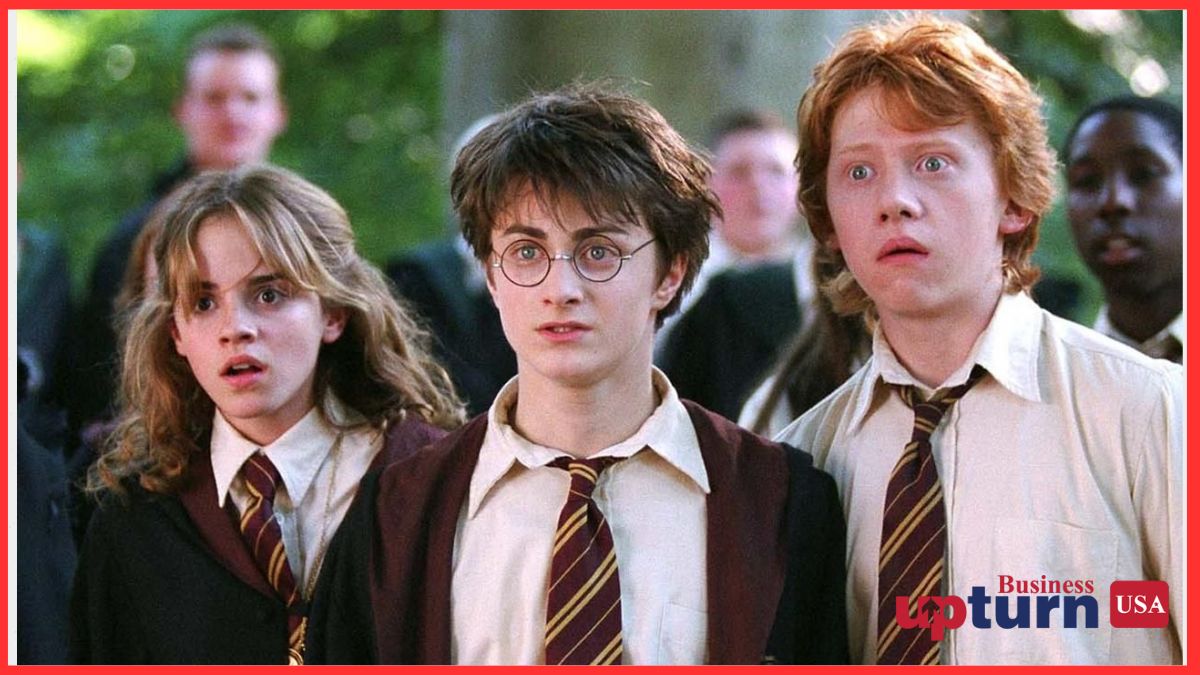
HBO’s upcoming Harry Potter television series, slated to premiere in 2027, is already generating intense conversation across the entertainment world. Now, a new layer of intrigue has emerged: the series is confirmed to connect with Hogwarts Legacy, the blockbuster Wizarding World video game. While the idea of a crossover is undeniably exciting, there is only one storytelling device that can make it truly meaningful—time travel.
According to reporting by Variety, Warner Bros. is developing a sequel to Hogwarts Legacy that will directly tie into HBO’s Harry Potter series. This revelation signals a bold attempt to unify different branches of the Wizarding World under one broader narrative vision. However, the timeline difference between the two projects presents a major creative challenge.
Why the Hogwarts Legacy Timeline Creates a Major Story Challenge
HBO’s Harry Potter series is a full reboot of J.K. Rowling’s novels and will respect the original 1990s setting of the books. This decision clearly separates the show from the film franchise, which subtly shifted the timeline due to its 2000s production era. By contrast, Hogwarts Legacy is set in the 1890s, nearly a century before Harry Potter ever sets foot in Hogwarts.
This time gap is not a small obstacle. One of the most appealing aspects of Hogwarts Legacy was the chance to explore Hogwarts during an entirely different historical period, long before familiar characters and events. Forcing the game’s sequel to move forward into the 1990s would undermine that appeal and create uncomfortable narrative overlaps with HBO’s series.
A direct crossover without addressing the timeline would feel superficial at best. Meaningful interaction between characters, locations, or storylines requires a stronger narrative bridge.
How Time-Turners Could Unite the Wizarding World on HBO
Fortunately, the Wizarding World already has a canonical solution. Time-Turners, first introduced in Harry Potter and the Prisoner of Azkaban, provide an established method for controlled time travel. Their existence opens the door for characters from Hogwarts Legacy to appear in the 1990s—or for HBO’s characters to journey back to the late 19th century.
With careful coordination between the television writers and the game’s creative team, time travel could allow both projects to retain their identities while still intersecting in meaningful ways. Rather than a forced merger, the crossover could become a rare opportunity to explore Hogwarts across centuries, deepening the lore without contradicting it.
If executed thoughtfully, this approach could redefine how large franchises connect across mediums. For viewers, it would offer a richer, more layered Wizarding World—one that respects its past while expanding its future.
