

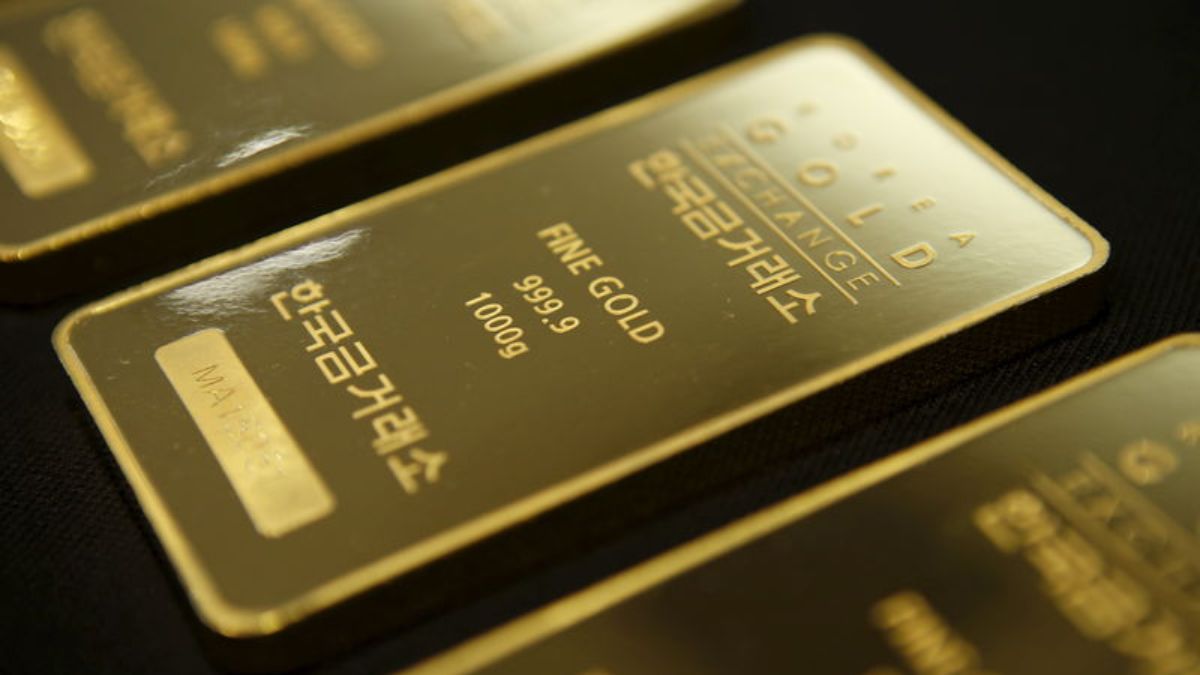
Gold prices moved higher on Monday. Spot gold rose 1.2% to $4562.31 per ounce. Gold futures also climbed 0.9% to $4596.97 per ounce.
The rise came as markets reacted to progress in discussions between the United States and Iran. Reports suggested both sides have agreed on a framework to reduce conflict tensions. This raised expectations of improved stability in the Middle East.
A possible reopening of the Strait of Hormuz is being discussed. This waterway carries around 20% of global oil flow. It had faced severe disruption during the conflict. Any reopening would ease supply fears and reduce oil price pressure.
Oil prices reacted quickly. Brent crude fell about 4.9% to near $95.35 per barrel. Lower oil prices reduce inflation risk. This is one reason gold gained support during the session.
Interest Rate Expectations Cap Gold Gains Despite Safe Haven Demand
Even with rising gold prices, gains were limited. Markets are now expecting interest rates to stay higher for longer.
This is because energy related inflation is still a concern. Central banks may keep rates elevated to control price pressure. Higher interest rates usually reduce demand for gold since it does not offer yield.
At the same time, the US dollar has remained relatively strong as a safe haven currency. A stronger dollar makes gold more expensive for global buyers. This also limits upside momentum for gold prices.
US President Donald Trump also commented that negotiations should not be rushed. He added that restrictions on Iranian ports will remain until a final agreement is fully signed and confirmed.
Oil Market Crash Risk, Dollar Strength and Inflation Outlook Shape Gold Direction
Brent crude is still about $20 higher than levels seen before the conflict. This shows that energy markets remain unstable even after recent diplomatic progress.
Analysts say oil supply recovery may take time even if the Strait of Hormuz is reopened. This keeps inflation risks alive in the background.
Traders are now balancing three forces. Lower oil prices reduce inflation fears. High interest rates reduce gold demand. Dollar strength limits foreign buying power.
Gold is currently caught between these opposing signals. Peace hopes support it. But monetary policy pressure keeps it from rising sharply.