
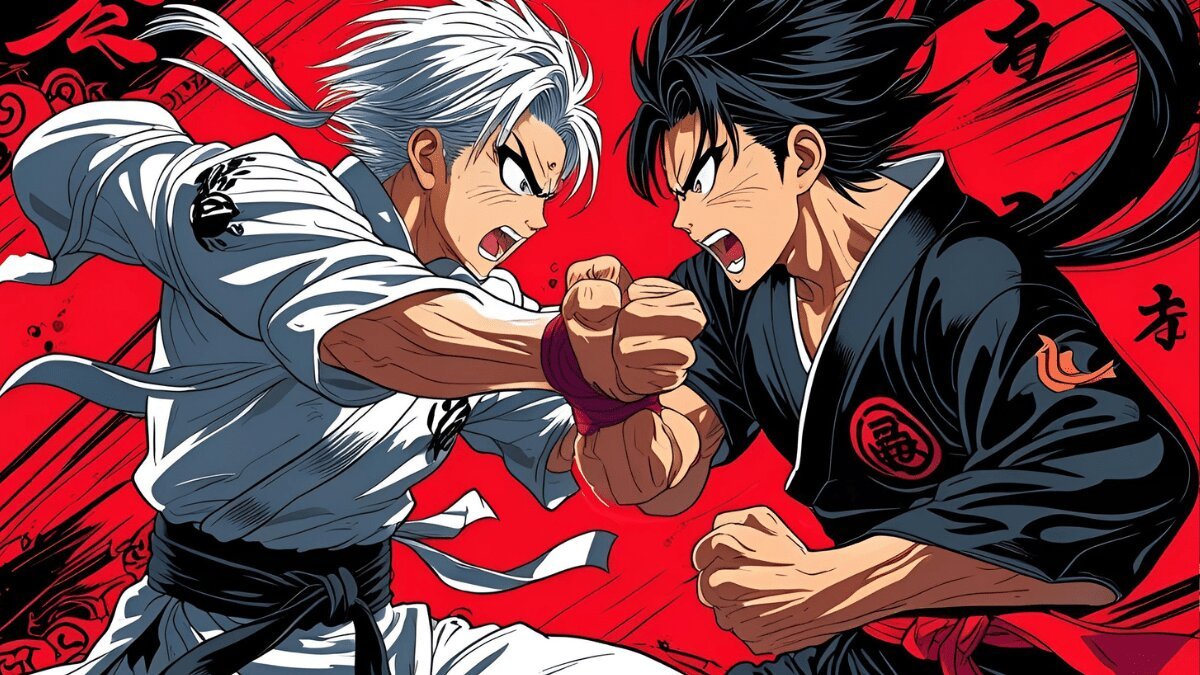
Two Titans of Tactical Genius
Few anime have had the cultural, emotional, and philosophical impact that Fullmetal Alchemist: Brotherhood and Code Geass have achieved. They are often ranked at the very top of anime charts—and for good reason. Both series weave together tight, intelligent narratives, intricate world-building, and unforgettable characters, all while asking profound questions about morality, sacrifice, and leadership. Yet despite sharing similar depths, their tones, pacing, and ultimate messages are distinctly different.
Fullmetal Alchemist: Brotherhood, adapted from Hiromu Arakawa‘s manga and animated by Studio Bones, follows the journey of Edward and Alphonse Elric, two brothers who defy nature to bring their mother back to life through alchemy—and pay a terrible price. The series is a masterclass in storytelling: expertly paced, emotionally grounded, and ethically rich. From war crimes to governmental corruption, the narrative dives into real-world parallels while still delivering high-stakes fantasy.
Code Geass, created by Clamp and produced by Sunrise, is a mecha-political thriller that centers around Lelouch vi Britannia, a fallen prince with a mysterious power called Geass. Given the ability to command anyone to do his bidding, Lelouch sets out to dismantle the oppressive Britannian Empire under the guise of the masked revolutionary, Zero. Code Geass is intense, morally ambiguous, and endlessly shocking, with more plot twists than most thrillers can dream of.
Both anime series are filled with moments that leave you breathless—be it from the shocking choices of a calculating prince or the emotional burden of two brothers fighting for redemption. Yet, when comparing them side by side, only one can be crowned the true mastermind of anime storytelling.
In this detailed comparison, we’ll dissect key aspects—protagonists, antagonists, world-building, philosophical weight, emotional intensity, animation, and legacy. Whether you’re already loyal to one camp or curious to explore both, this article will help you discover which series reigns supreme in the minds of anime lovers.
Protagonists: The Alchemist vs The Rebel King
Edward Elric is a relatable, brilliant young alchemist driven by loss and guilt. His development is steady, from cocky teen to wise adult. What makes him stand out is his unwavering moral compass—even in moments where sacrificing others would be the easy way out.
Lelouch Lamperouge, on the other hand, is a Machiavellian genius whose ideals are noble but whose methods are often horrifying. He manipulates, deceives, and plays god for the sake of his vision of peace. His descent and ultimate redemption are among the most tragic and compelling in anime.
Winner: Code Geass. Lelouch’s morally grey journey challenges viewers more than Ed’s principled one.
Supporting Cast: A Network of Power
Fullmetal Alchemist: Brotherhood offers an exceptional supporting cast. Roy Mustang, Riza Hawkeye, Scar, Ling Yao, Winry Rockbell, and even antagonists like Kimblee or King Bradley get intricate arcs. Each character feels necessary to the story’s core.
Code Geass has dynamic characters like Suzaku, C.C., Nunnally, and Kallen, though some characters are sidelined or underdeveloped in favor of Lelouch’s arc. The cast serves the main narrative, but not all are granted equal depth.
Winner: Fullmetal Alchemist: Brotherhood. Its ensemble is both large and rich in development.
Antagonists and Ideology
Father and the Homunculi in Brotherhood represent philosophical ideas—greed, wrath, envy, pride—and serve as metaphors for human flaws. Father’s pursuit of godhood is terrifying in scope, but the villains maintain a grounded emotional relevance.
Charles zi Britannia, Schneizel, and the Britannian Empire reflect real-world totalitarianism and imperialism. The psychological warfare and manipulation by these figures, paired with Lelouch’s tactics, elevate the ideological war.
Winner: Code Geass. For its nuanced political antagonism and constant moral ambiguity.
Themes: Humanism vs Realpolitik
Brotherhood explores human nature, equivalent exchange, redemption, and sacrifice. It’s optimistic, even in its darkest moments, with a core belief that the world can be healed through compassion and unity.
Code Geass is far more cynical. It raises ethical questions around control, free will, utilitarianism, and whether the ends truly justify the means. It doesn’t shy away from the ugliness of war or revolution.
Winner: Tie. Brotherhood for hope and structure; Code Geass for moral complexity and challenge.
World-Building and Lore
Brotherhood’s world is meticulously detailed. The lore behind alchemy, the historical backdrop of Ishval, the Philosopher’s Stone, and the military structure of Amestris is cohesive and meaningful.
Code Geass presents a futuristic dystopia with socio-political layers. Area 11’s struggle under Britannian rule, the Knights of the Round, and global resistance networks create a high-stakes chessboard, though some plot elements require suspension of disbelief.
Winner: Fullmetal Alchemist: Brotherhood. Its universe feels more grounded and logically coherent.
Animation and Action Sequences
Brotherhood, animated by Studio Bones, features fluid, impactful combat scenes like Mustang vs Envy, Ed vs Pride, and Scar vs Wrath. The choreography is clean, intense, and emotionally loaded.
Code Geass, produced by Sunrise, delivers grand mecha battles with stylish direction and symbolic framing. While not always as fluid in hand-to-hand scenes, its cinematic moments are unforgettable.
Winner: Tie. Brotherhood for traditional fights; Code Geass for large-scale spectacle.
Emotional Impact and Iconic Moments
Brotherhood has heartbreakers—Maes Hughes’ death, Nina Tucker, and the soul-crushing reality of human transmutation. But it also has soaring moments of victory and redemption.
Code Geass builds emotional tension through betrayal, moral crises, and the shattering consequences of Lelouch’s actions. The Zero Requiem finale remains one of the most powerful endings in anime.
Winner: Code Geass. Few anime match the gut-punch of its finale.
Ending and Legacy
Brotherhood ends on a hopeful note: peace restored, family reunited, and the lessons of the journey carried forward. It’s satisfying, earned, and ties every arc beautifully.
Code Geass ends with Lelouch’s martyrdom—his ultimate sacrifice for world peace. It’s shocking, divisive, and thought-provoking, keeping fans debating years later.
Winner: Code Geass. Its conclusion left a stronger cultural imprint.
Rewatchability and Long-Term Value
Brotherhood is beloved for its rewatchable arcs, layered dialogue, and consistent pacing. It’s often recommended to new anime fans as the perfect balance of action and thought.
Code Geass may not be as easily rewatched due to its complex layers and tragic tone, but each rewatch unveils new connections, strategies, and symbolism.
Winner: Fullmetal Alchemist: Brotherhood. It offers emotional satisfaction and narrative clarity each time.
Conclusion: Which Anime Wins the Crown?
This battle isn’t about which anime is better—both Fullmetal Alchemist: Brotherhood and Code Geass are legends in their own right. Instead, it’s about which show resonates more with your personal taste.
-
Choose Fullmetal Alchemist: Brotherhood if you value character-driven storytelling, moral integrity, and a well-paced, emotionally satisfying narrative rooted in humanism.
-
Choose Code Geass if you’re drawn to high-stakes political drama, moral grey zones, unpredictable plot twists, and a protagonist whose genius is as terrifying as it is admirable.
Final Verdict:
-
For philosophical depth and bold narrative choices—Code Geass reigns supreme.
-
For emotional resonance and cohesive storytelling—Fullmetal Alchemist: Brotherhood remains the gold standard.
