
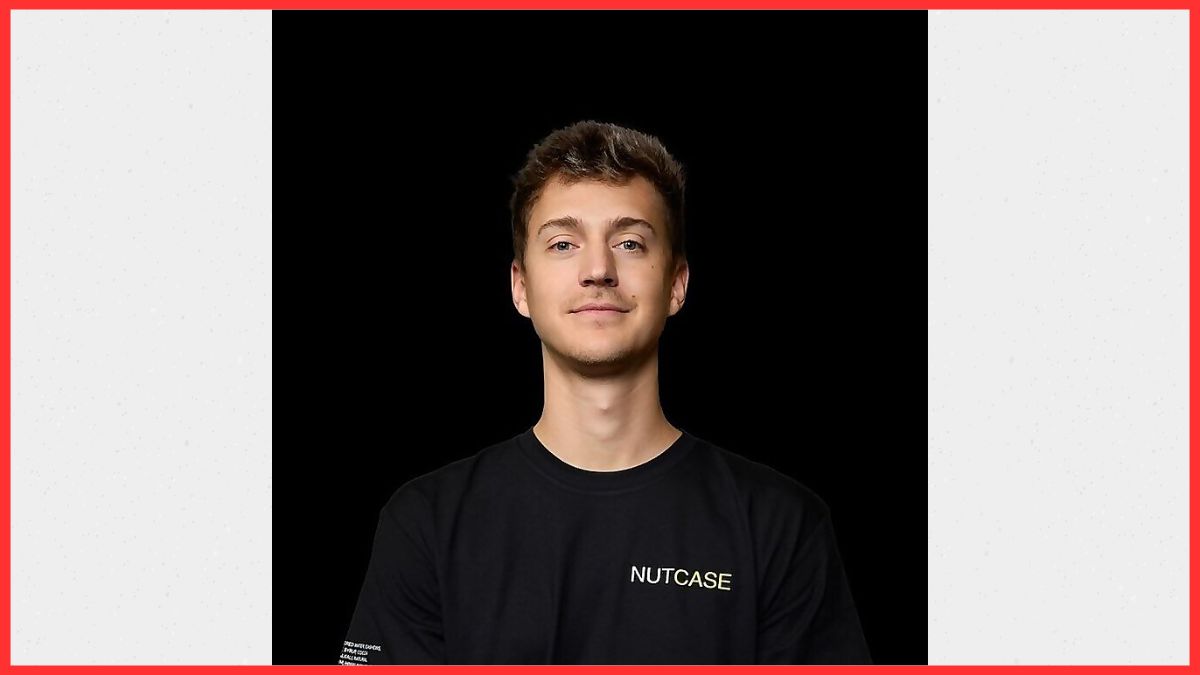
Richard Tyler Blevins, widely known as Ninja, is one of the most commercially successful gaming influencers in the United States. Rising to national prominence through competitive gaming and livestreaming, Blevins has transformed his personal brand into a diversified digital media business. His business model blends platform-based revenue, corporate partnerships, licensing, and equity-backed ventures, positioning him as a case study in how U.S. creators can scale from content production into full-spectrum entrepreneurship.
Core Business Model: Platform-Led Monetization
At the foundation of Ninja’s business strategy is livestreaming, particularly through Twitch and YouTube. On Twitch, revenue is primarily driven by paid channel subscriptions and viewer contributions known as “Bits,” which allow fans to financially support creators during live broadcasts. YouTube adds an additional layer of monetization through advertising revenue generated from long-form gaming content and highlights.
Blevins’ multi-platform presence reduces dependency on a single platform’s algorithm or policy shifts. This diversification strategy aligns with broader U.S. creator economy trends, where influencers treat platforms as distribution channels rather than standalone businesses.
Brand Sponsorships and Advertising Partnerships
A major pillar of Ninja’s income comes from long-term sponsorship deals with U.S.-based and global consumer brands. Over the years, he has collaborated with companies in the gaming hardware, apparel, and food and beverage sectors. These partnerships often include branded livestream segments, social media campaigns, and product integrations, allowing companies to reach a Gen Z and millennial audience that traditional advertising struggles to engage.
Unlike one-off influencer posts, Blevins’ model focuses on multi-month or multi-year agreements, which provide more predictable revenue and deeper brand alignment.
Product Licensing and Merchandising
Ninja has successfully expanded into licensed merchandise, including apparel, accessories, and gaming peripherals. These products are typically sold through major U.S. retail and e-commerce channels, turning fan engagement into direct-to-consumer sales. Merchandising adds a scalable revenue stream that is not tied to daily content output, helping stabilize earnings during periods of reduced streaming activity.
Entertainment and Publishing Ventures
Beyond gaming, Blevins has entered the U.S. entertainment and publishing market. His branded book releases and collaborations with major publishing houses demonstrate how influencer-led IP can transition into traditional media sectors. This cross-industry strategy broadens his audience reach while reinforcing his brand as more than a gaming personality.
Equity-Based Investments and Media Companies
Ninja has also moved into the role of investor and co-founder, including participation in gaming and esports-related ventures. These equity stakes position him to benefit from long-term company growth rather than only short-term promotional fees. From a U.S. business perspective, this mirrors the Silicon Valley model of creators evolving into startup stakeholders.
Content Style and Brand Positioning
Ninja’s content is characterized by high-energy gameplay, competitive performance, and a broadcast style designed for mainstream appeal. His family-friendly language and polished production values make his streams suitable for brand-safe advertising, a key factor in attracting major U.S. sponsors.
Conclusion
Richard Tyler Blevins’ business model stands out for its structured diversification. By combining platform revenue, long-term sponsorships, licensed merchandise, publishing, and equity investments, he has built a resilient, U.S.-centric creator enterprise. His approach illustrates how gaming influencers can evolve into multi-industry entrepreneurs, turning digital popularity into a sustainable and scalable business ecosystem.
