
Introduction: From Fiction to Fashion
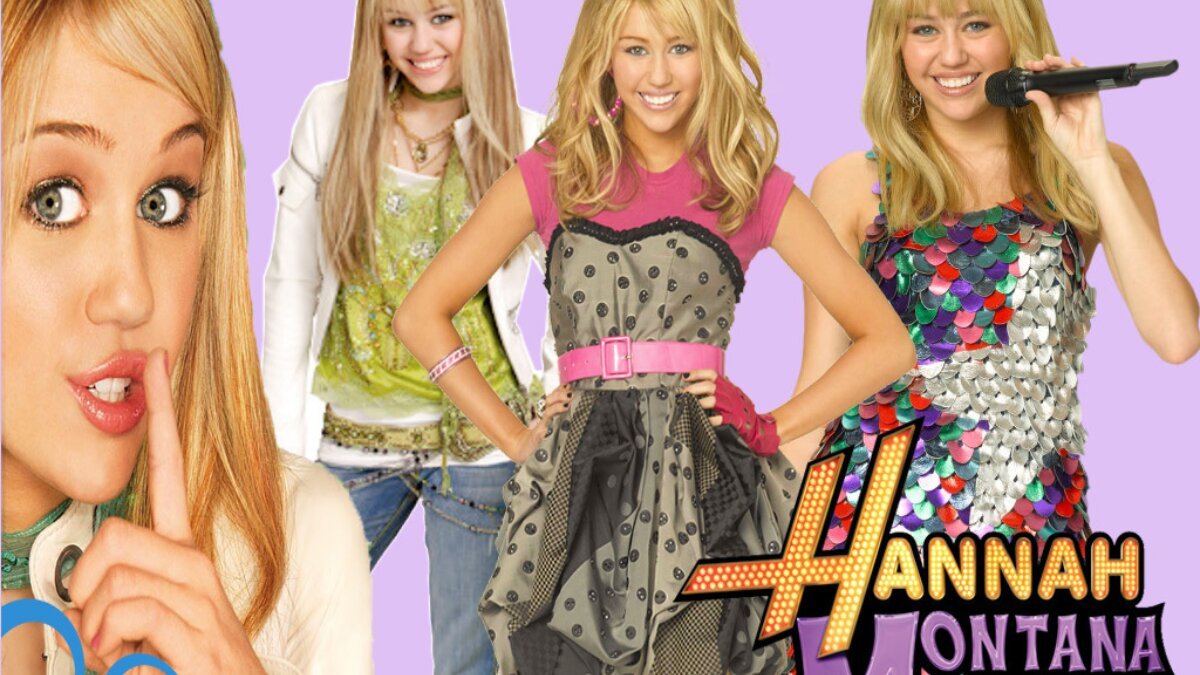
In 2006, Hannah Montana aired on Disney Channel and introduced us to a glittery fantasy: a teen girl with a secret pop star identity, juggling normal life with fame, fashion, and faux fur boots. Almost two decades later, that character—half Miley Stewart, half Hannah Montana—has transcended television to become something much stranger: a fashion movement.
Enter: Hannah Montana-core—the chaotic, campy, rhinestone-studded Y2K revival you didn’t see coming, but definitely needed.
It’s not just about dressing like a pop star. It’s about living like a contradiction, fully embracing the “double life” energy of performing for the internet while trying to stay grounded. It’s about girlhood as resistance and sparkle as satire, with layers of nostalgia, absurdity, and emotional realism baked in.
And it’s everywhere this summer.
You’ve seen it on TikTok thrift hauls, in Pinterest boards bursting with zebra print, and on influencers layering tank tops like it’s 2008. It’s Miley Cyrus’s early career remixed through the Gen Z lens: post-ironic, chaotic, performative, and emotionally saturated.
This is the summer where faux fur trims are back, where lip gloss is essential, and where burnout meets butterfly clips. Hannah Montana-core isn’t about looking good—it’s about feeling loud.
The Core of Hannah Montana-Core
The aesthetic isn’t subtle—and that’s exactly the point. It’s a mashup of 2000s tween popstar energy, girlhood chaos, and anti-minimalist rebellion. Here’s what defines it:
Key Aesthetic Elements:
-
Layered graphic tees or tank tops
-
Metallic leggings, miniskirts, and legwarmers
-
Platform boots or Uggs
-
Oversized belts, sequins, rhinestones
-
Animal prints (especially zebra and leopard)
-
Clip-in colored hair streaks
-
Statement necklaces, charm bracelets, chunky rings
-
Butterfly clips, lip gloss, and loud makeup
-
Purses with glitter, hearts, or Hannah-esque logos
It’s Lizzie McGuire meets Bratz meets mall goth-lite. But it’s also self-aware—like someone cosplaying a fever dream version of 2008 after a breakdown in a Claire’s store.
This isn’t nostalgia for a simpler time—it’s a chaotic remix of girlhood memories, emotional dissonance, and internet fatigue.
Nostalgia, Performed: Why Gen Z Loves Hannah
Nostalgia always cycles, but Hannah Montana-core isn’t just about rewatching Disney Channel clips. It’s about inhabiting a memory—leaning into aesthetic camp as a performance of identity.
Gen Z is deeply meta and self-aware. They don’t just dress like Y2K kids; they dress like someone remembering what it felt like to be a tween in a rhinestone-studded emotional crisis.
Why now?
Because identity is a performance. Social media requires a curated self. And nothing captures that duality better than Hannah Montana: one girl, two personas, endless costume changes.
Today, we all have a Miley and a Hannah. The version of us we show the world—and the version melting down in our bedrooms. This aesthetic doesn’t pretend to resolve that—it celebrates the split.
Miley’s Shadow: From Icon to Archetype
Miley Cyrus has long since shed the Disney starlet skin, but her Hannah Montana alter ego remains a strange, enduring cultural force.
In many ways, Miley’s arc mirrors what this aesthetic represents: a chaotic, contradictory identity that refuses to settle. From wholesome pop princess to tongue-out rebel to mature artist, her journey is a blueprint for embracing contradiction.
By revisiting Hannah Montana-core, Gen Z isn’t idolizing Miley circa 2008—they’re remixing her contradictions into a kind of fashion therapy. They’re saying: we don’t have to choose. We can be every version of ourselves at once.
The TikTok Pipeline: Meme to Movement
Trends don’t trend unless TikTok says so, and Hannah Montana-core owes its rise to the perfect storm of:
-
Nostalgia edits of Disney shows
-
Lip-syncs to Hannah tracks like “Nobody’s Perfect” and “Rock Star”
-
Thrift hauls embracing chaotic 2000s glam
-
Influencers play-acting “double lives”
-
Campy meme formats (“POV: you’re on your way to math class after performing at the Staples Center”)
Suddenly, it was everywhere: wigs, zebra prints, glitter boots, and emotional chaos. What started as ironic cosplay turned into something much more powerful—a style movement born from exhaustion and imagination.
TikTok allowed users to role-play joy again. To take on a character. To turn burnout into performance—and aesthetic into therapy.
Escaping Aesthetic Burnout
For the last few years, internet fashion has cycled through trend after trend: clean girl, balletcore, mob wife, coquette, normcore, vanilla girl. Each one has rules. Each demands polish.
Hannah Montana-core throws that all out the window.
It’s tacky. It’s clashing. It’s chaotic. It’s fun. It’s too much—and that’s the point.
In a world obsessed with aesthetic coherence, this trend lets you be incoherent on purpose. It invites you to dress for how you feel, not what you want to project. It’s a style of rebellion—and sometimes, survival.
No one expects a perfect match. In fact, if your outfit makes sense, you’re doing it wrong.
Girlhood as Performance Art
Beyond the fashion, Hannah Montana-core taps into something deeper: the experience of girlhood as constant performance.
Growing up, many young girls were told to be everything at once: cute but not too loud, fun but not messy, unique but not weird. Hannah Montana embodied that paradox—schoolgirl by day, pop star by night.
Gen Z now reclaims that paradox. They turn it into aesthetic chaos: rhinestones with tears, eyeliner with emotional whiplash, wigs worn like armor.
This is girlhood unfiltered. Loud. Unruly. Glittering and grieving all at once.
Hannah Montana-core lets you step into that space—and stay there, unapologetically.
The Rise of the Anti-Polished Aesthetic
After years of curated feeds and brand-building, there’s a collective craving for chaos. For mess. For imperfection.
We’re tired of “quiet luxury.” Tired of being one-dimensional. Tired of dressing for the algorithm.
Hannah Montana-core rejects all of that. It says:
-
Be a pop star one day, a mess the next
-
Wear glitter to the grocery store
-
Romanticize your double life
-
Layer three tank tops and call it a look
-
Lip sync to a Disney track like it’s your Grammy debut
It’s fun. It’s emotional. It’s cathartic.
And in 2025? That’s exactly what we need.
The Emotional Reality Beneath the Rhinestones
Under the sequins and slapstick, there’s something surprisingly sincere happening.
Hannah Montana-core isn’t just a joke. It’s a reaction to:
-
Burnout: Dressing up as a pop star gives you energy
-
Disassociation: Playing a character offers a way to feel something
-
Nostalgia: Childhood memories give comfort in chaos
-
Identity crises: Fashion becomes a language when words fail
Wearing a wig and faux fur vest won’t fix everything—but it can make the chaos a little more bearable. It lets you own your contradictions. And maybe, for a moment, believe you’re the star of your own weird little show.
Conclusion: The Best of Both Worlds
Hannah Montana once sang about having the “best of both worlds.” In 2025, that line hits differently.
Now, it’s not just a lyric—it’s a manifesto. Because we’re all trying to hold multiple realities at once: joy and grief, burnout and glitter, performance and presence.
Hannah Montana-core offers a way to live inside those contradictions. It’s not polished, perfect, or poised. It’s chaotic, contradictory, and covered in butterfly clips—and that’s what makes it feel real.
This trend isn’t about looking back. It’s about making space for play in the now. About dressing up, falling apart, and dancing anyway. It’s about putting on the wig, blasting the soundtrack, and stepping into your own messy spotlight.
Because right now? The world feels like one big costume change.
And honestly, who couldn’t use a little glitter and a double life?
