
If you are rich and behind bars, now is a good time to hope for a presidential pardon. Donald Trump is granting them at an unprecedented pace. Scores of convicted fraudsters and high-profile criminals have already been released. Champagne is popping as many walk out of prison early.
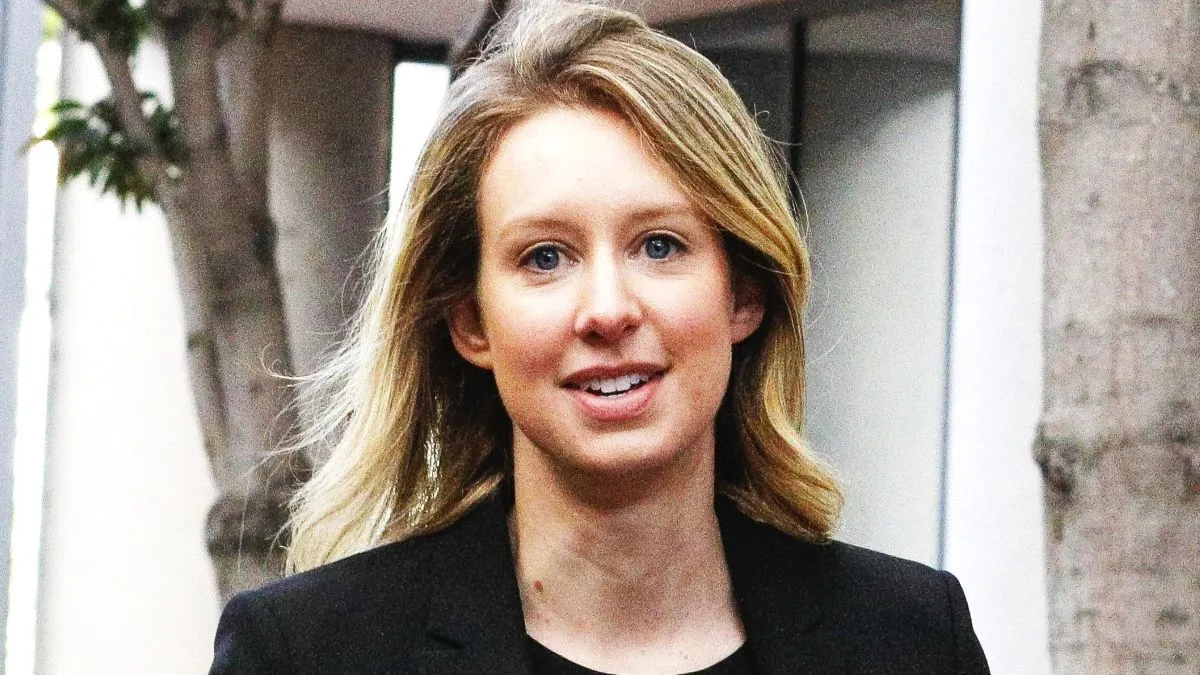
Former Theranos CEO Elizabeth Holmes is now among those trying their luck. Holmes, 37, was sentenced to over 11 years in prison in 2022 for defrauding investors with her blood-testing company, Theranos.
Theranos claimed it could detect dozens of health conditions from a single drop of blood. The company had backing from some of the world’s richest people and planned to place testing machines in pharmacies. But the technology never worked. The truth came out after an investigation by Wall Street Journal reporter John Carreyrou. Holmes was sent to prison, though she serves time in a low-security facility with social media access.
Holmes has now formally requested that Trump commute her sentence. Her request is pending with the Department of Justice. Originally, she was expected to remain in prison until the mid-2030s. Her release date has already been shortened to December 2031.
Trump’s commutation record sparks hope for rich convicts
It is unclear if Trump will approve Holmes’ request. However, the odds appear favorable for wealthy convicts claiming political targeting. During his first term, Trump issued 237 pardons and commutations. Just a year into his second term, he has already granted freedom to more than 1,600 people, and the number continues to rise.
The current trend shows that Trump is prioritizing high-profile and wealthy offenders. Convicted individuals who argue they were unfairly treated under previous administrations may find themselves in a strong position for early release.
What’s next for Elizabeth Holmes?
If Holmes is freed, her future remains unpredictable. She may try to rebuild her public profile, possibly through media appearances or reality television. Shows like The Masked Singer or Dancing on Ice have been floated as potential platforms. One thing is clear: the era of rich people facing serious consequences for white-collar crimes may be coming to an end, at least under this administration.
Holmes’ case highlights a larger pattern of presidential clemency favoring high-profile, wealthy individuals. The debate continues over whether justice is being applied equally or whether influence and connections are opening prison gates for the powerful.
