
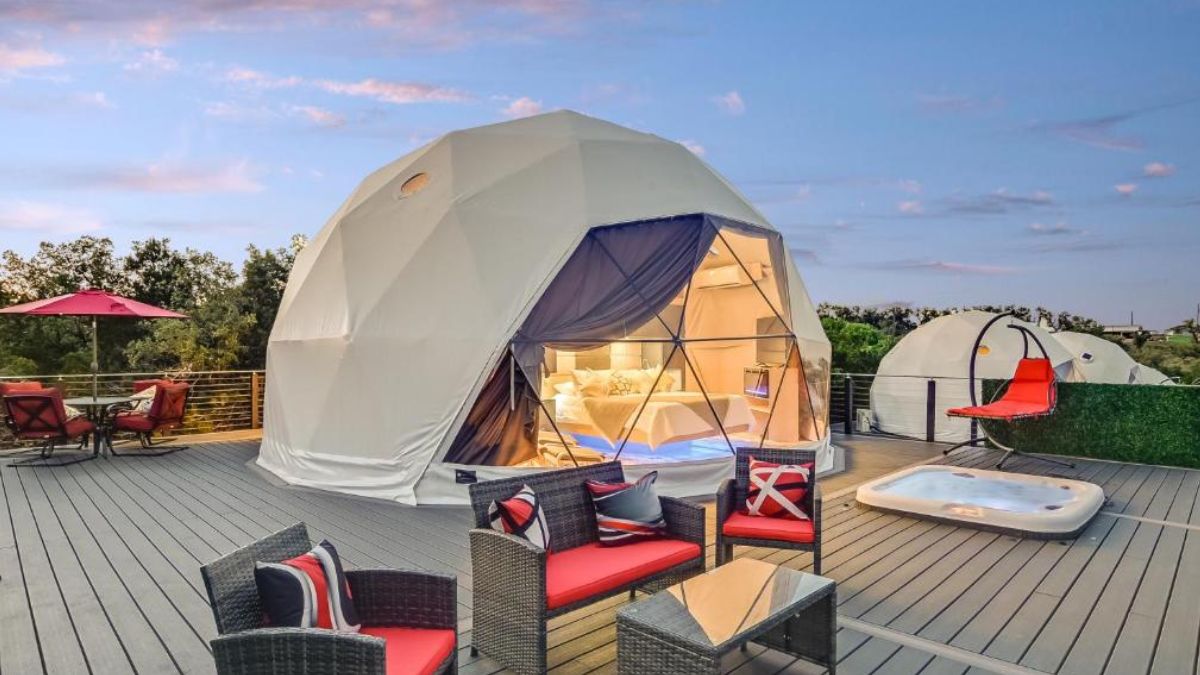
Eco-resort glamping and traditional camping both let people spend time in nature, but they are very different experiences. Traditional camping is about simplicity and self-sufficiency. People usually bring tents, sleeping bags, and cooking gear, and they set up their own space in the wild. It can be adventurous and rewarding, but it also requires work, preparation, and sometimes dealing with uncomfortable conditions like cold nights, rain, or insects.
Eco-resort glamping, on the other hand, combines nature with comfort and luxury. Guests stay in ready-made accommodations such as safari tents, treehouses, domes, or cabins that often have real beds, clean bathrooms, electricity, and even climate control. These resorts are designed to blend with the environment while minimizing their impact. Many use solar power, rainwater systems, and eco-friendly materials, making them a more sustainable option.
Another key difference is the level of service and convenience. Glamping often provides meals, guided activities, and amenities like spa services or yoga classes. Traditional camping is more independent, with campers cooking their own food, managing their own safety, and planning all activities themselves.
The overall experience is also different. Camping is about immersing yourself fully in nature, sometimes in challenging conditions, and enjoying the sense of adventure and self-reliance. Glamping offers a closer connection to nature without sacrificing comfort, making it appealing to people who want to enjoy the outdoors without giving up modern conveniences.
In short, traditional camping is about adventure and simplicity, while eco-resort glamping is about comfort, sustainability, and a luxurious connection with nature. Both offer unique experiences, but glamping makes outdoor travel accessible to more people and provides a balance between relaxation and adventure.
