
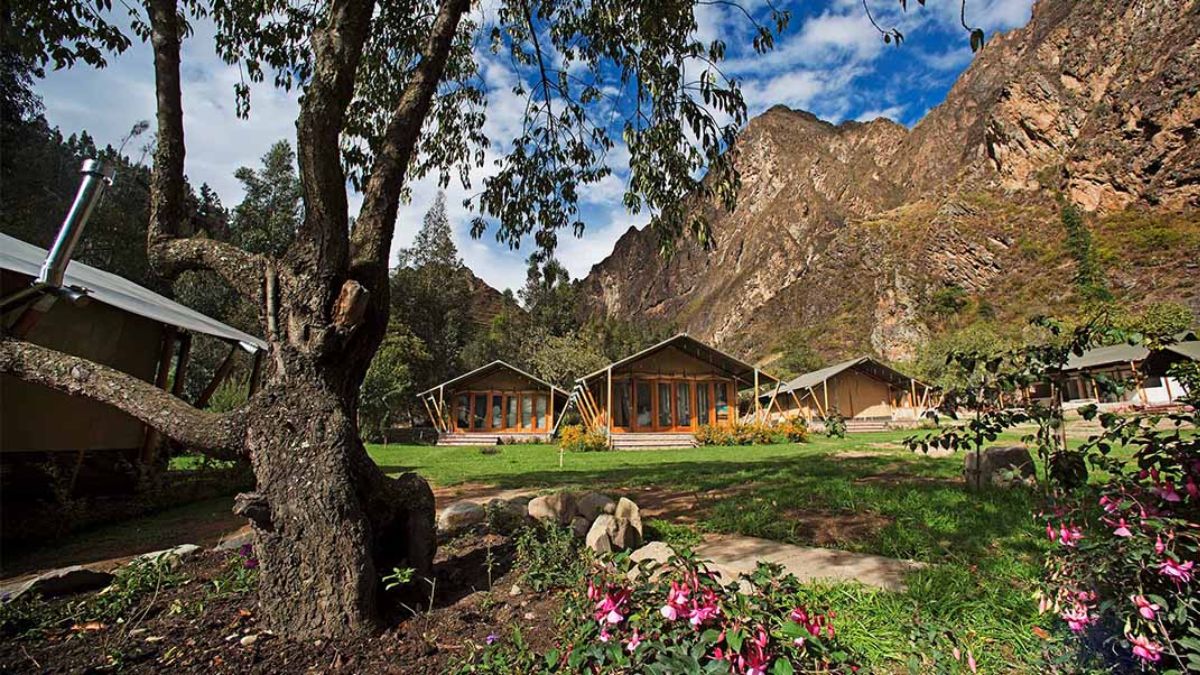
Eco-resort glamping is a modern travel trend that combines luxury, nature, and sustainability, making it a prime example of responsible tourism. Unlike traditional resorts or hotels, which can have a heavy environmental footprint, eco-glamping focuses on minimizing impact while providing guests with comfortable, immersive experiences in nature.
Responsible tourism in eco-resorts starts with thoughtful design and construction. Tents, domes, cabins, or treehouses are often made from natural, recycled, or locally sourced materials. Accommodations are carefully positioned to preserve wildlife habitats, maintain the natural landscape, and prevent pollution. Energy needs are met through solar power, natural ventilation, and energy-efficient lighting, while water is conserved with rainwater systems and low-flow fixtures.
Eco-resorts also promote sustainable practices in daily operations. Guests are encouraged to minimize waste, recycle, and use resources mindfully. Many resorts offer farm-to-table meals prepared from local, seasonal ingredients, supporting nearby farmers and reducing carbon emissions from transportation. Hiring local staff, engaging in community initiatives, and offering cultural experiences further ensure that tourism benefits the local economy and preserves traditions.
Activities at eco-resorts align with responsible tourism principles. Guided nature walks, wildlife observation, stargazing, yoga, and educational programs allow guests to enjoy and learn from the environment without harming it. Travelers are encouraged to connect with nature thoughtfully, gaining appreciation and awareness for conservation and sustainability.
In essence, eco-resort glamping embodies responsible tourism by providing comfort and luxury while prioritizing environmental protection, local support, and mindful travel practices. It allows guests to experience nature fully and ethically, making each stay both enjoyable and conscientious.
